







Introduction:Do you often feel unable to distinguish the flavors in your coffee when drinking it? Even after reading many tasting guides, do you still not know where to start? This article breaks down the five key dimensions of evaluating single-origin coffee from a professional perspective—aroma, overall impression, mouthfeel, flavor, and aftertaste—to help you systematically build your coffee sensory skills from scratch. Whether you’re a beginner or an enthusiast looking to further improve your tasting abilities, you’ll gain practical techniques to more deeply appreciate the unique charm of each cup of coffee.
Many people often feel they can’t identify the flavors in their coffee, even after reading numerous tasting guides, yet still feel at a loss when actually trying. But in fact, "coffee tasting" is not just about "naming flavors"—flavor description is only a small part of the overall evaluation. To truly learn how to evaluate a cup of coffee, especially single-origin coffee, we need to approach it from five core aspects: aroma, overall impression, mouthfeel, flavor, and aftertaste. Mastering these five dimensions allows you, whether you're a newcomer or an experienced coffee lover, to gradually build a professional sensory evaluation system.

One common misconception is that being able to "name flavors in coffee" means you "know how to taste coffee." In reality, flavor description is merely a supporting tool, helping us understand the taste of coffee more intuitively—for example, when we say a coffee has the acidity of a "green apple," we are using a familiar fruit flavor for comparison. But this assumes you’ve actually eaten a green apple and remember its unique sweet-tart sensation. Therefore, expanding your flavor memory bank is very important, which requires long-term tasting and observation—it’s definitely not something that happens overnight.
The true core of evaluating coffee should be judging whether the coffee is "delicious," including its overall harmony, balance, and whether there are any obvious defects. Even if you can’t precisely describe the flavors, you can still make a professional evaluation based on the following five dimensions.
1. Aroma: The First Impression of Coffee
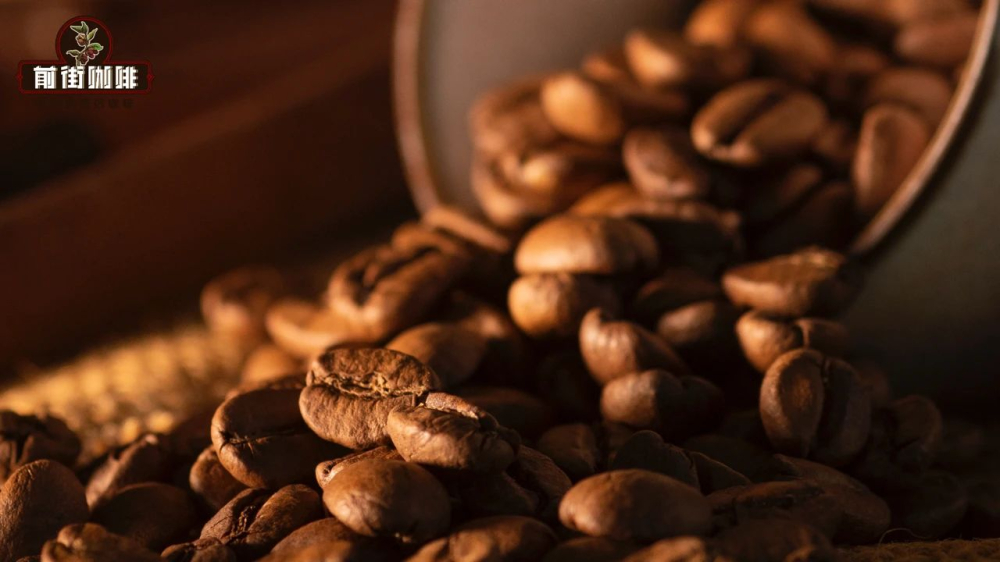
When you first encounter a cup of coffee, what you notice right away is its aroma, which is also a crucial part of the overall sensory experience. Aroma can be divided into "dry aroma" and "wet aroma." Dry aroma refers to the scent emitted by ground coffee beans, which directly reflects the quality of the beans. For example, lightly roasted coffee beans often have fragrances reminiscent of toasted bread, fresh floral notes, or the sweet scent of jam; whereas dark roasted beans tend to showcase deeper notes such as roasted nuts, spices, pine wood, or dark chocolate.
Wet aroma is the scent released with steam during brewing, which more accurately reflects the state of the coffee extraction. Light roast coffee may present floral and fruity aromas, tart and sweet fruit scents, and sugary sweetness; dark roasts commonly exhibit notes of spice, roasted walnuts, hazelnuts, and caramel. If you perceive pleasant smells while smelling the coffee, it will naturally enhance your appreciation for the cup; conversely, unpleasant odors such as raw almond, medicinal (similar to American ginseng), burnt, or rubbery smells can easily detract from the experience. Training your olfactory sensitivity depends on actively smelling and comparing different aromas in daily life.
2. Overall Impression: The First Sip’s Holistic Feel
When evaluating coffee, many people overlook the importance of the "first sip." Overall impression refers to the holistic feeling you get from the first sip of coffee after smelling it, including comfort level and drinking desire. A good cup of coffee should feel smooth, clean, and free of obvious off-flavors or stray tastes upon the first sip, with an appropriate concentration—not overly intense or thin.
If you find yourself wanting to take another sip after the first one, it means the coffee has met a basic standard. Of course, individual taste preferences can affect judgment—for instance, some people don’t like coffee with prominent acidity, which is completely normal. But if you want to improve your tasting skills, it’s advisable to look for flaws in the coffee from an "objective standpoint," such as off-flavors, burnt bitterness, astringency, or unbalanced flavor combinations, rather than making judgments purely based on personal likes or dislikes.
3. Mouthfeel: The Thickness and Smoothness of Coffee
Mouthfeel is the most intuitive aspect of evaluating coffee and can be understood by comparing it to water. If coffee feels similar to water in the mouth, we describe it as having a "watered-down" or "thin" body; if the mouthfeel is noticeably full and weighty, we say it has a "full-bodied" or "rich" texture. Additionally, if coffee feels gritty or astringent, it falls under "rough mouthfeel"; on the other hand, if it feels smooth and silky, that’s an excellent performance.

4. Flavor: The Art of Balancing Sweet, Sour, and Bitter
For those who don’t drink coffee often, the sourness and bitterness may be hard to accept at first. But with accumulated experience, you’ll gradually come to understand what constitutes a "clean acidity," a "soft bitterness," and, most importantly, a "sweetness." The flavor of coffee varies greatly depending on roast level, origin, and processing method. It’s recommended to try a variety of flavored coffees to build up your flavor memory and establish a reference base in your brain, so you can more easily recognize the balance and layers between sweet, sour, and bitter in the future.
5. Aftertaste: The Lingering Taste After Drinking
Aftertaste refers to the lingering taste sensations in the mouth after you finish drinking the coffee. For enthusiasts, aftertaste can be a point of either bonus or deduction in evaluation. If the mouth feels unpleasant fermentation notes, vinegar-like tastes, or persistent bitterness afterward, those are signs of poor aftertaste. On the other hand, if the aftertaste includes a sweet finish, delicate floral or tea-like notes, or even rich and pleasant caramel or cocoa aromas, it indicates that the coffee has a complete and high-quality drinking conclusion.
On Describing Flavors: From Trying to Expressing
Many people think they "can’t taste flavors" because they haven’t yet built up enough of a flavor memory bank or lack the methods to express themselves, leading to self-doubt. In reality, as long as you try different fruits and foods and actively compare them while tasting coffee, you can slowly train your sensitivity to flavors. You don’t have to stick to standard answers—express your own feelings boldly. Through communication and practice, you’ll gradually master the skill of describing flavors and further deepen the enjoyment and depth of coffee tasting.
In summary, there’s no shortcut to learning how to taste coffee. The key lies in drinking more, comparing more, and recording more. By systematically analyzing the five dimensions—aroma, overall impression, mouthfeel, flavor, and aftertaste—you’ll be able to more professionally and confidently appreciate the unique qualities of every cup of single-origin coffee.
The above content is compiled by CoffeeHunters, a coffee news website.


