







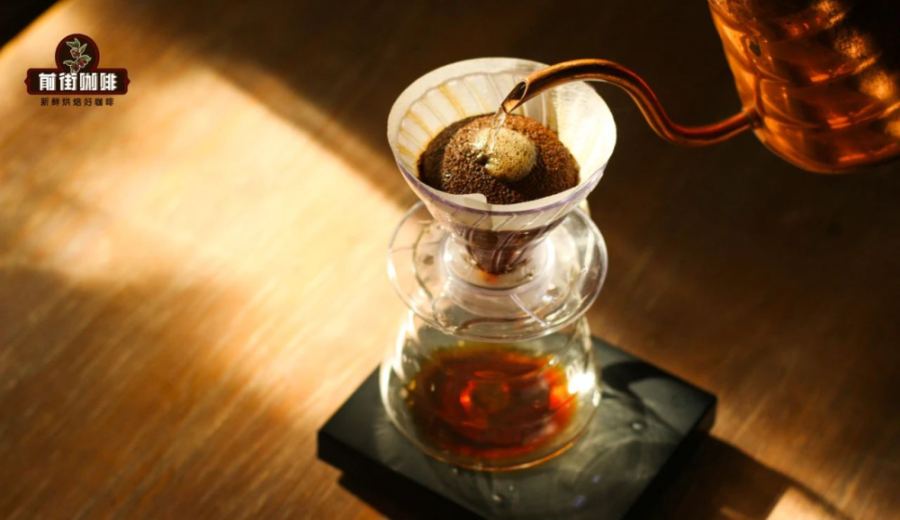
Introduction:When pour over coffee moves from a single serving to a four-person share, the increased dose of 30 grams of coffee grounds brings not just more water, but also challenges in coordinating filter choice, grind size, and pouring rhythm. This article dives deep into the key settings for large-dose pour overs, including principles for matching filter types, suitable grind size ranges, blooming techniques, and segmented pouring strategies — helping you avoid bitterness and uneven extraction, so that shared coffee still delivers clear layers and a clean taste.
Many coffee enthusiasts, after mastering the one-person pour over routine, often encounter noticeable deviations in flavor profile when scaling up to four servings. Increasing the dose from the usual 15 grams to 30 grams not only changes the total water volume, but also affects filter capacity limits, water distribution uniformity, grind adjustments, and overall brew time. Many users report that with the same technique, larger doses often result in over-extracted bitterness or thin, uneven extractions.
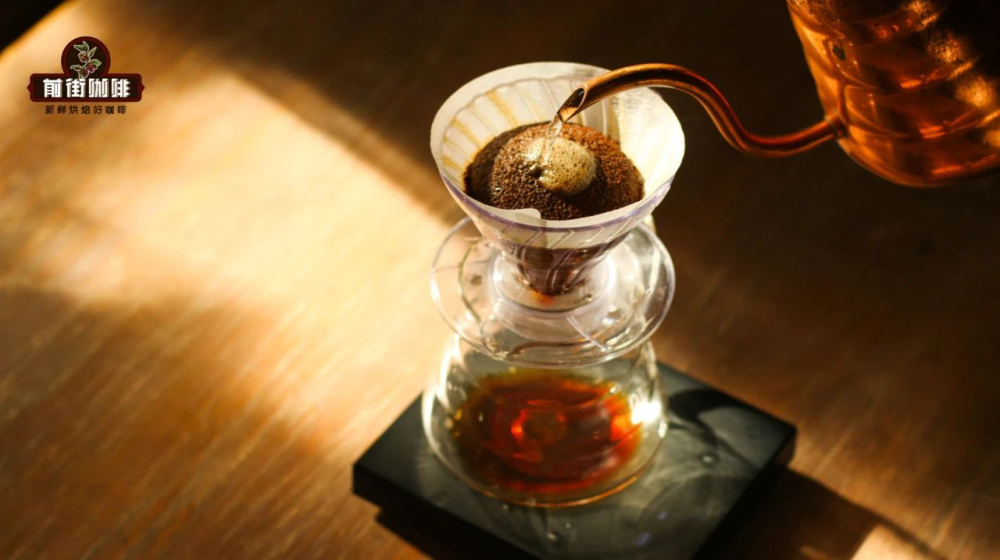
In fact, coffee dose is the most fundamental yet often overlooked variable. Brewers accustomed to using 15 grams typically develop an intuitive sense of bed thickness, drawdown speed, and estimated brew time, allowing them to fine-tune pouring rhythm based on how the coffee bed absorbs water. But when the dose doubles, space utilization within the filter, water-to-grounds contact efficiency, and bloom expansion volume all need re-evaluation — otherwise, localized over-extraction or under-extraction can easily occur.
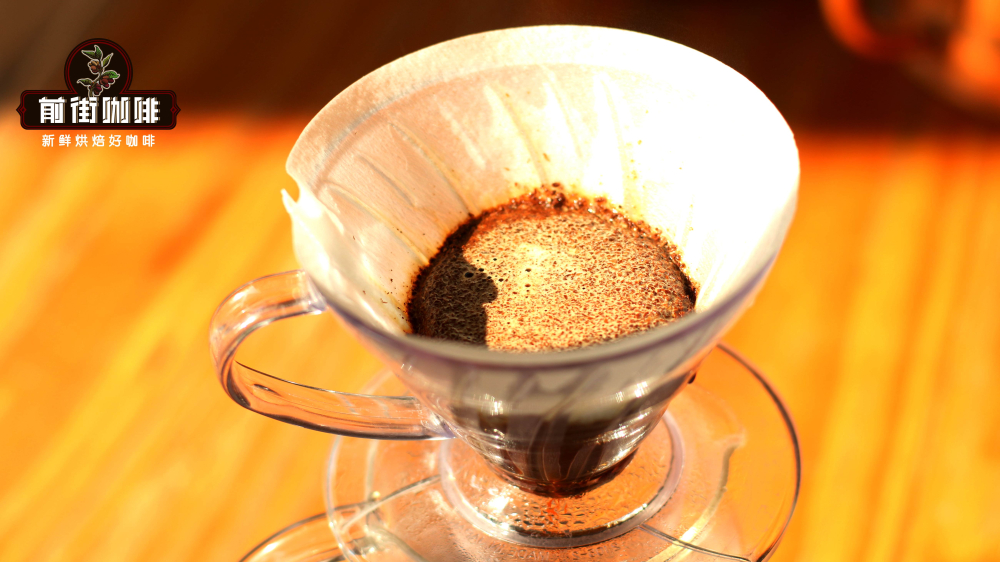
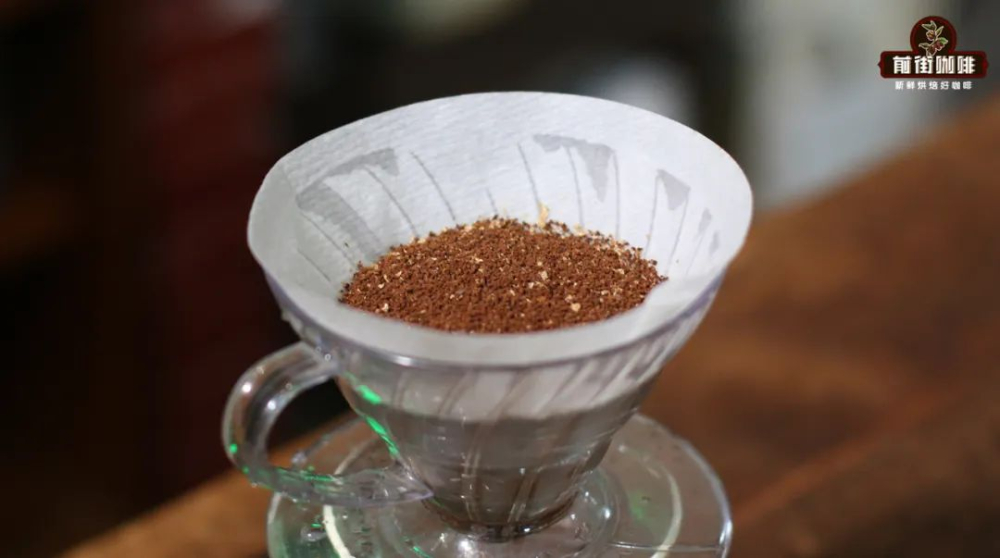
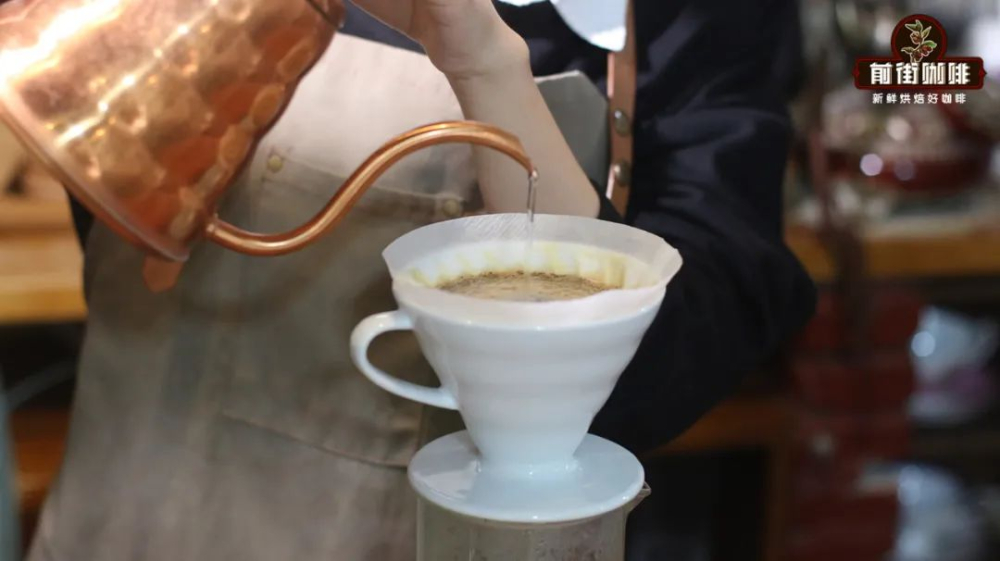
Among these factors, choosing the right filter is especially critical. If you only have a size 01 filter suited for 15–20 grams of coffee, adding 30 grams will cause the “coffee burger” during the bloom stage to nearly fill the entire filter, not only obstructing water flow but also potentially causing poor drainage and overly intense blooming flavors. It’s recommended to pair your actual dose with a suitably sized filter — for example, a V60 #2 or fan-shaped filter that offers a more spacious water-to-grounds interaction area.
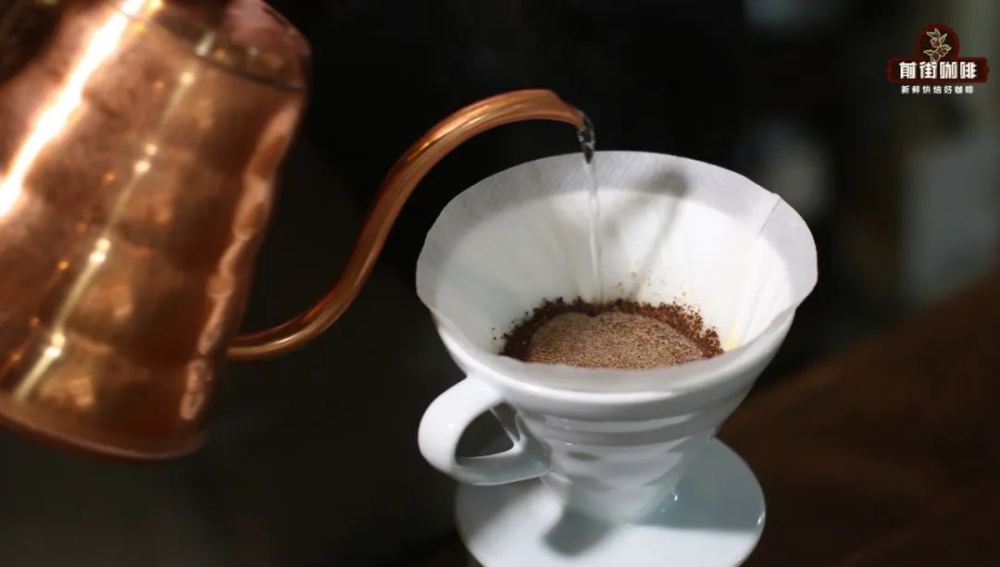
Adjusting grind size is a core parameter for success with large doses. For light-roast beans, practical experience shows that reducing the standard light roast grind (about the coarseness of fine sugar, with 80% passing through a #20 sieve) down to 70% sieve passage — a setting similar to common dark roast grinds — is effective. A slightly coarser grind extends water-to-grounds contact time, preventing over-extraction due to the larger dose while maintaining appropriate aroma release and acidity. Be cautious not to make it too coarse, which could lead to under-extraction. It’s advisable to fine-tune based on the color of the brewed liquid and clarity of flavor.
Special attention should be paid to water volume and timing during the bloom phase. For a 30-gram dose, it’s recommended to use about 50–60 ml of hot water (approximately 93–95°C), poured evenly from the center outward, then let it rest for 30–45 seconds until the bloom stabilizes. This step helps activate the coffee’s cellular structure, laying a solid foundation for the main extraction phase. Over-blooming or insufficient water can both affect the overall balance of flavors.
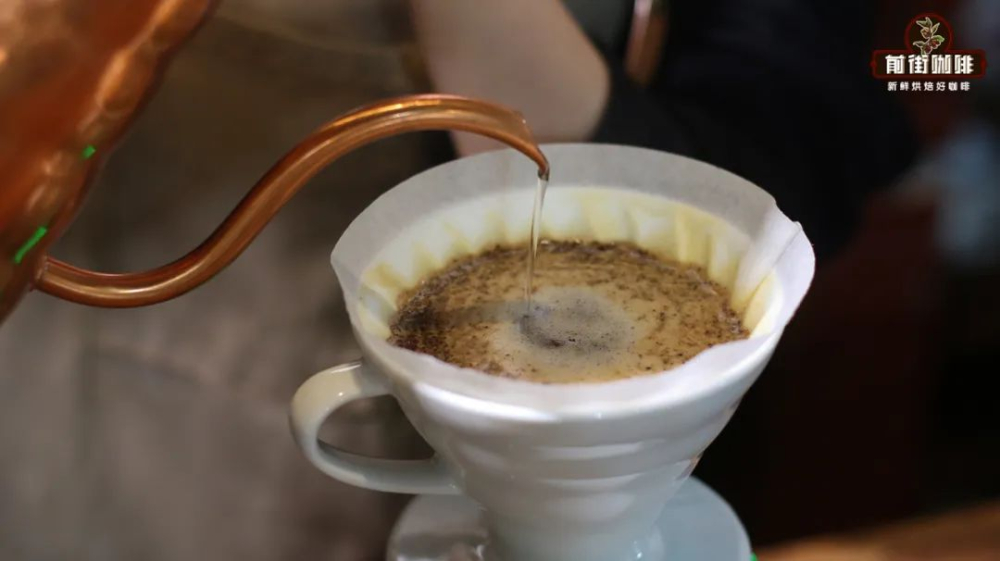
For segmented pouring, it’s advised to use a “center radial + spiral diffusion” method, completed in 3–4 stages for the total water volume (approximately 500–600 ml). The first stage can begin with a small pour (e.g., 100 ml) to ensure even absorption across the coffee bed, followed by keeping the pour height consistent in each subsequent stage, and controlling the interval between pours to around 20–30 seconds — aiming for a total brew time between 2 minutes 30 seconds and 3 minutes. Stable water flow and even coverage reduce channeling risks and localized over-extraction.
Lastly, remember that large-dose pour overs require a sharing pitcher with sufficient capacity and well-preheated equipment to avoid temperature loss affecting extraction efficiency. By systematically adjusting your filter type, grind size, blooming technique, and pouring logic, even a four-person brew can consistently deliver a coffee with layered and clean flavor expression.
The above content is compiled by CoffeeHunters, a coffee news website.


