







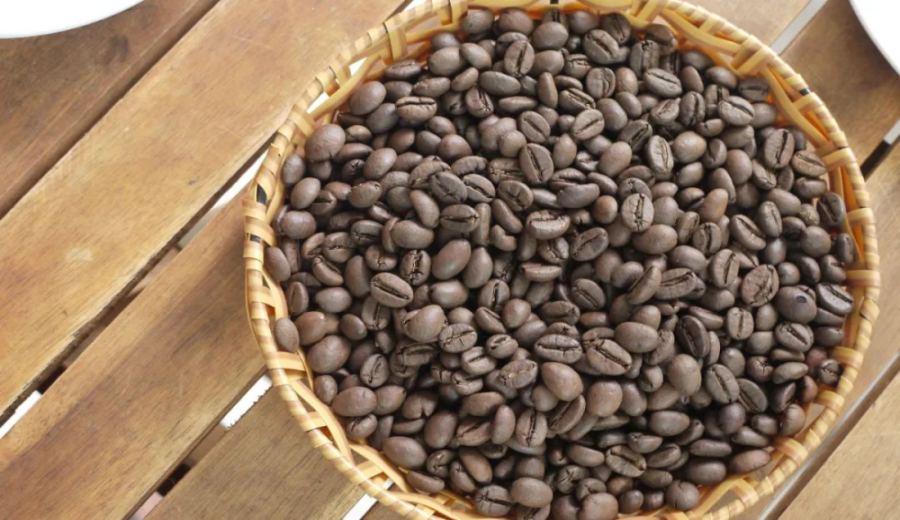
Introduction:Robusta is often regarded as inferior in flavor to Arabica, but its bold and rich characteristics actually play an important role in specialty blends. This article delves into the flavor profile of Robusta beans, explores their professional use in blends, explains why adding a small amount of Robusta can enhance the overall taste, and analyzes why blended beans are gradually becoming the mainstream trend in specialty coffee.
In the world of specialty coffee, Arabica is often upheld as the representative of high quality, while Robusta is easily labeled as "low-grade." However, in reality, thanks to its bold body and solid mouthfeel, Robusta has always been an indispensable element in many blends. Especially in markets where stable flavor and rich mouthfeel are sought after, the presence of Robusta often brings an unexpectedly balancing effect.
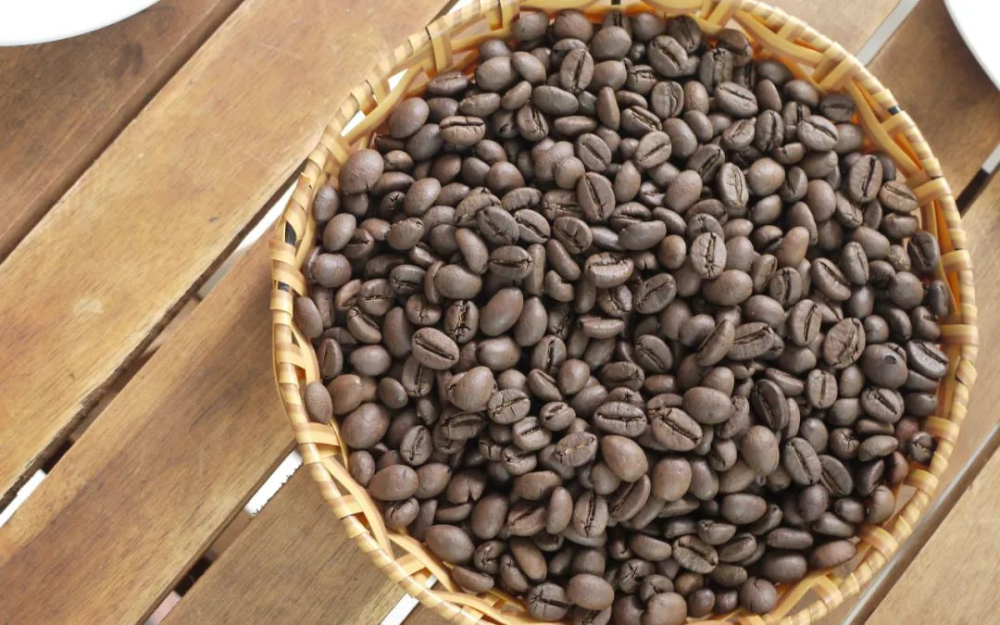
Many people’s first encounter with Robusta beans might be off-putting due to its intense bitterness and strong nutty, woody tones. But with deeper understanding, it becomes clear that Robusta provides something that Arabica often lacks—"body," or what we commonly refer to as mouthfeel thickness. This characteristic makes Robusta a secret weapon in the hands of many professional roasters, used to strengthen the overall structure and stability of the coffee.
As the specialty coffee market continues to expand, consumer preferences are also becoming more diverse. While more drinkers pursue bright fruit acidity and floral notes, there is still a large group that prefers coffee with a rich, low-acid, and balanced mouthfeel. Particularly in the Asian market, these flavor profiles still hold significant importance. Though single-origin Robusta may not always be appealing when brewed alone, blending it in appropriate proportions can appropriately enhance the coffee’s fullness and complexity.
Blending coffee is a specialized skill in itself—it’s certainly not as simple as randomly mixing a few types of beans. A skilled blender must have an in-depth understanding of the characteristics of beans from different regions, processed using various methods and roasted to different degrees. At the same time, they must also master precise roasting curves and extraction parameters to create a blend with consistent and stable flavors. Compared to single-origin Arabica, blends place greater demands on a roaster’s ability to control overall flavor, especially how to leverage the characteristics of Robusta to compensate for deficiencies in body or stability in other beans.
It’s worth noting that the proportion of Robusta in blends is usually not high, generally ranging between 10% and 30%, depending on the target flavor profile. Too much Robusta can make the overall coffee feel overly heavy or bring out noticeable chemical bitterness, but with the right proportion, it can actually bring out deeper chocolate, caramel, and even spicy notes, enriching the overall flavor profile.

A coffee enthusiast once shared on a forum: "The longer I study coffee, the more I realize there’s no such thing as absolute. Is Robusta really worse than Arabica? Not necessarily. Some well-blended Robusta combinations are layered and complex, and their mouthfeel can even outperform some single-origin Arabicas." This statement highlights the core of specialty coffee—it shouldn’t be limited by a single variety, processing method, or brewing style.
What truly deserves attention is how to create a satisfying coffee experience through the combination of science and experience. For many consumers, a cup of coffee with balanced mouthfeel, long-lasting aroma, and a pleasant aftertaste is their definition of "specialty." Regardless of which region it comes from, or whether it contains Robusta, what matters is whether it meets expectations and leaves behind a memorable taste experience.
The above content is compiled by CoffeeHunters, a coffee news website.


