







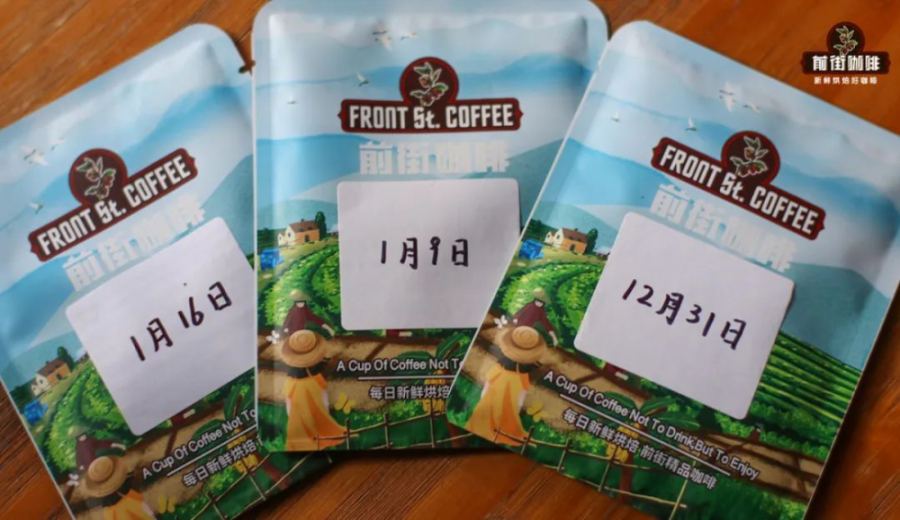
Introduction:Many coffee enthusiasts, due to equipment or environmental limitations, choose to grind their coffee beans in advance. But do you know how long the flavor of ground coffee can actually be preserved? Through practical testing, this article observes the expansion performance, foam condition, and flavor profile of ground coffee brewed as pour over across different storage days, and offers practical tips on portioning and storage to help you retain the essence of your coffee.
Many coffee lovers, when faced with limitations, opt to grind their coffee beans ahead of time, but how long the flavor of ground coffee can be maintained remains a common question. To find the answer, we conducted a comparative experiment: using the same Panamanian Boquete Gesha coffee beans, we ground them and stored them sealed, then conducted pour over tests after 14, 21, and 30 days. We observed the bloom expansion, foam performance, brewing speed, and final flavor outcomes.
The experimental results showed that under well-sealed conditions and with minimal bag openings, ground coffee could still retain clear floral and fruity notes for about three weeks. However, if stored for a full month, the aroma nearly vanished, leaving only the basic bitter taste of coffee. This article will also share practical portioning and sealing techniques to extend the flavor life of ground coffee.
Judging the optimal consumption period of ground coffee shouldn’t rely solely on the roast date—the storage conditions are the key factor. For example, take the same coffee powder: one package opened multiple times a day, and another never opened. After 30 days, the flavor difference will be very obvious. Ground coffee is more prone to oxidation than whole beans, so in this experiment, the beans were ground and immediately sealed, and remained unopened throughout to ensure a single variable.
Experimental Design:We ground Panamanian Boquete Gesha coffee beans 30, 21, and 14 days prior to the test start date, immediately sealing them in bags, and then conducted pour over tests uniformly after 30 days to observe the flavor differences at each time point. These three samples were ground at 30, 21, and 14 days beforehand, allowing us to clearly compare the flavor changes over time.
To best simulate real-world storage conditions, all sealable bags were as thoroughly aired out as possible before sealing to reduce oxidation.It was observed that the longer the coffee powder was stored, the more pronounced the bag’s expansion became, indicating the gradual release of residual gases inside—a warning sign of flavor loss.
The first test was with coffee ground just 14 days prior. Upon opening the sealed bag, a clear floral and fruity aroma could be detected. During the bloom phase, the coffee bed quickly expanded, showing that the coffee was still quite fresh. After the second and third pours, the liquid foam performance was normal, and the overall brewing time was about 2 minutes and 10 seconds, almost no different from regular pour over conditions.
In the cup, a clear citrus acidity, honey-like sweetness, and delicate floral notes could be tasted. Even after two weeks of storage post-grinding, the overall flavor still had a distinct profile.Image 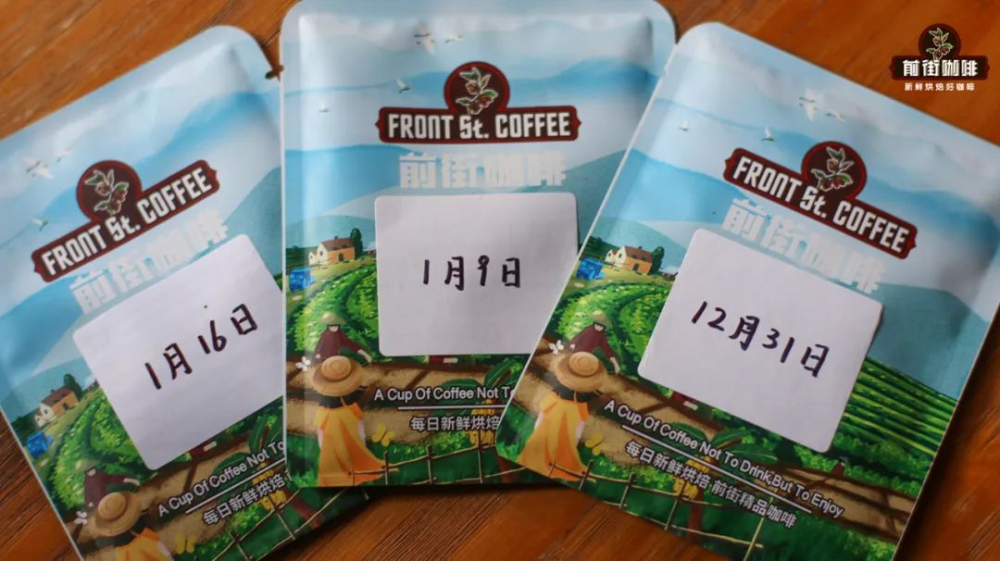 Shows the state of the coffee grounds and brewing scene at that time.
Next, we tested the coffee ground 21 days prior. When opening the bag, a strong floral and fruity aroma could still be smelled. During the bloom, the coffee bed also absorbed water and expanded, though the rise was slightly less than that of the 14-day version, and it was still within an acceptable range of freshness. After the second and third pours, the liquid foam was thinner, but no obvious anomalies occurred during the brew, with a total extraction time of about 2 minutes and 20 seconds.
In terms of flavor, the citrusy sweet-tart notes and honey-like characteristics were still present, but the overall complexity was not as rich as the 14-day version. However, the unique aromatic traits of Gesha were still distinctly recognizable, proving that preservation within 21 days can retain most of the flavor characteristics.Image 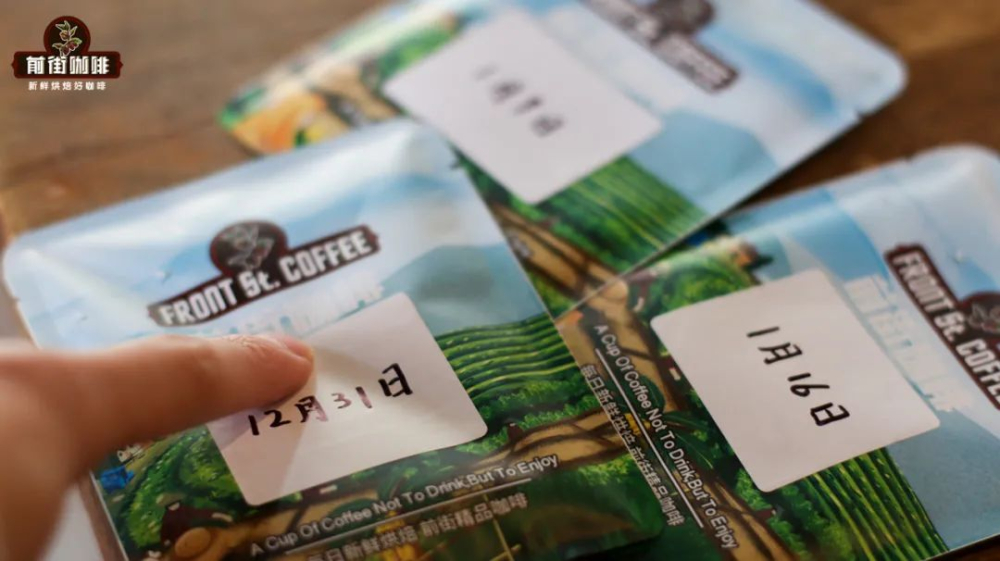 Documents the details of the 21-day ground coffee brew.
Finally, we tested the coffee stored for a full 30 days. Although a slight floral and fruity scent could still be detected upon opening the bag, during the bloom phase, the coffee bed showed absolutely no signs of expansion. Hot water quickly passed through the coffee layer, leaving noticeable pinholes, indicating a significant loss of internal gases and a clear drop in freshness.
After the second pour, the coffee foam was extremely thin, with most of the coffee grounds sinking to the bottom and unable to form a complete coffee bed wall. After the third pour, almost no foam was visible on the liquid surface, and the water flowed very slowly. The total extraction time extended to 2 minutes and 40 seconds.
In tasting, the aroma had nearly disappeared, leaving only a somewhat sweet fruity note and honey undertone, but the mouthfeel exhibited a noticeable astringency, and the texture felt rather coarse. This was because, without a proper coffee bed wall, the water flowed from the edge of the filter, and the thick layer of coffee grounds at the bottom caused flow blockage, leading to uneven extraction.Image 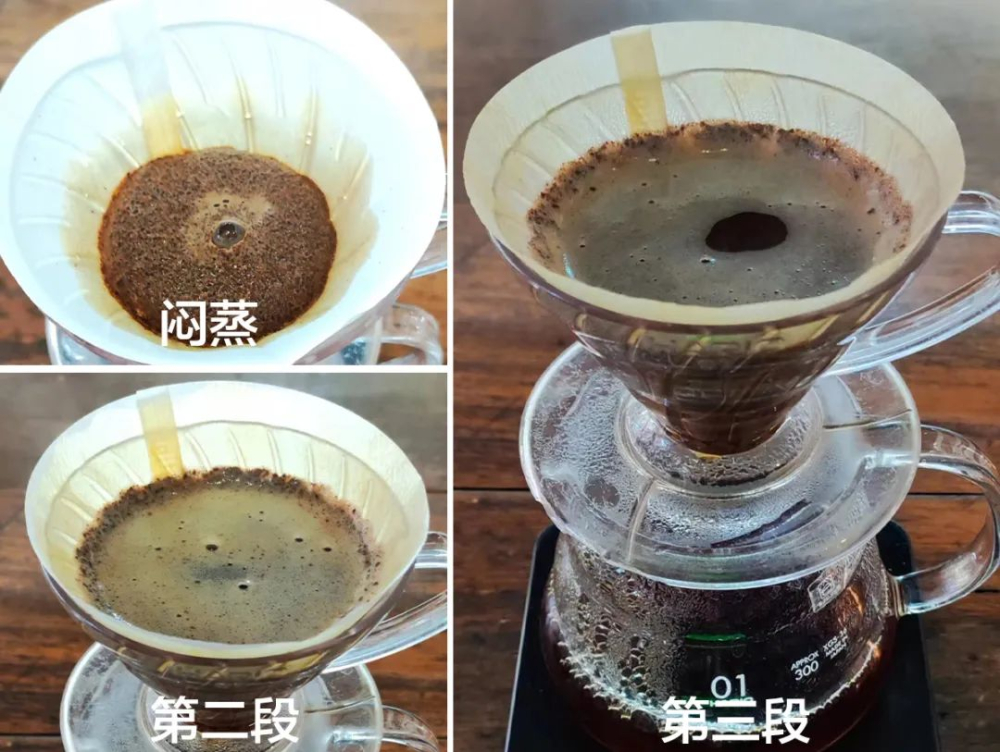 Captures the brewing phenomena of the 30-day-old coffee.
This test used Gesha coffee beans because their brewing response varies significantly with freshness, making it easy to directly observe the flavor loss process of ground coffee over time. The experiment confirmed that under well-sealed conditions and with minimal bag openings, ground coffee can maintain good flavor performance for about three weeks, but after a full month, the aroma largely dissipates, leaving only the basic flavor spectrum.
The same principle applies to commercially available drip coffee bags or other pre-ground coffee products—their optimal flavor period is usually also within three weeks. If you grind your own coffee, every time you open the container you accelerate flavor loss. Therefore, it is recommended to portion your ground coffee into multiple sealed jars or bags, opening only one at a time, which helps extend the shelf life of the rest and ensures every cup is brewed to its best flavor.
The above content is compiled by CoffeeHunters, a coffee news website.


