







Introduction:Faced with fierce competition from chain brands like Luckin and Starbucks, how can independent coffee shops stand out with a unique positioning? This article delves into key elements such as interior design, customer service, and signature drinks, sharing practical strategies to build high customer retention rates and helping small and medium-sized coffee spaces establish irreplaceable customer loyalty in a competitive market.
In recent years, coffee shops have sprung up on street corners across cities, with some short streets alone hosting over ten cafés of varying styles. According to statistical data, over 70% of coffee outlets nationwide are independently operated. However, as large chain brands accelerate their expansion, these smaller spaces are facing unprecedented survival challenges.
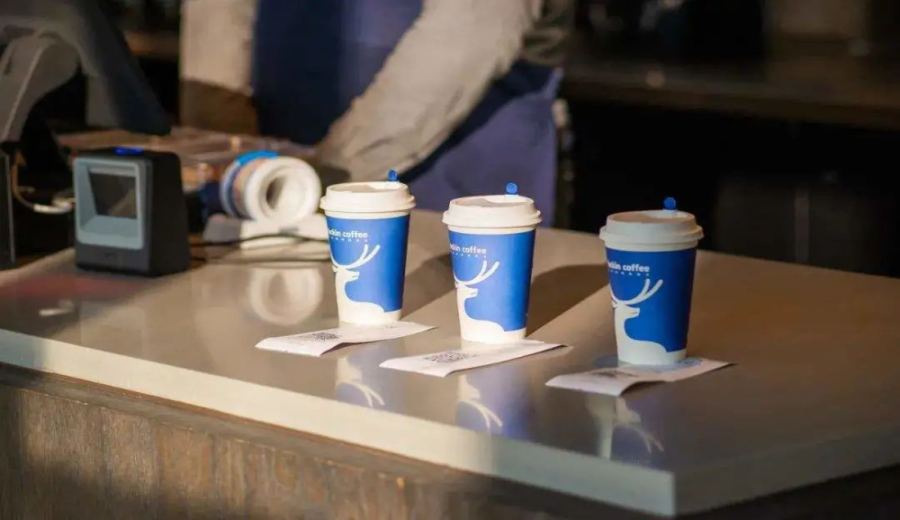
In commercial districts dominated by well-known chains like Luckin, Starbucks, and Manner, independent coffee shops often receive only a limited share of customers. Research indicates that when a Luckin store enters a certain area, its revenue frequently accounts for over 50% of the local coffee consumption; if other brands like Starbucks are also present, the remaining market share is mostly divided among them.
Unlike large chains that emphasize standardized processes, the greatest strength of independent coffee shops lies in operational flexibility and personalized service. To establish a solid foothold, the key is to create an irreplicable consumer experience—every detail, from interior decor to menu design, should reflect a unique business philosophy.
First, the shop’s interior design should break away from the uniform templates of industrial or retro styles, focusing instead on simplicity and comfort while avoiding excessive decorations that create a cramped feel. Warm-toned lighting, textured wooden tables and chairs, green plants, and a few pieces of art can be used to foster a relaxing and layered café atmosphere. Remember, every item should serve a purpose, not just decoration.
In terms of business philosophy, service quality is often a decisive factor in customer return rates. Beyond basic politeness and smiles, staff who remember regulars’ preferences or offer tailored recommendations can significantly enhance the customer experience. At the same time, maintaining a clean counter area and efficient service are fundamental skills no professional café should overlook.
Regarding product strategy, the design of signature drinks is crucial. Consider offering seasonal limited-edition flavors, using specialty beans from unique origins, or innovatively blending with local ingredients. For example, creating cold drip series with seasonal fruits or launching cupping-grade pour over options with micro-lot beans can attract customers seeking distinctive flavors. Additionally, designing reasonable “first-cup discounts” or “friend-sharing combos” can effectively boost first-visit conversion rates, but avoid relying long-term on discounts to drive traffic.
Many cases of independent coffee shop failures show that relying solely on attractive décor or price competition is not sustainable. Successful shops typically build a stable base of regular customers, maintaining connections through social media interaction, themed events, or membership programs. Regularly hosting coffee lectures, tableware exhibitions, or brewing workshops can also reinforce the brand’s professional image and deepen customer engagement.
In summary, for independent coffee shops to survive amid the dominance of chain giants, the key lies in leveraging the dual advantages of “human touch” and “personalization.” Whether through unique spatial design, the conveyance of professional coffee knowledge, or creating a sense of belonging through sincere service, shops can find their own niche in the market. Staying true to the essence and focusing on customer needs is the surest path to long-term success.
The above content is compiled by CoffeeHunters, a coffee news website.


