








Introduction:In recent years, specialty coffee shops have increasingly opted for traceable, single-origin fresh milk, not only enhancing the flavor profile of milk-based coffee but also allowing consumers to know exactly what they’re drinking. From Australia to China, more and more cafes are experimenting with smallholder-farmed cow’s milk, goat’s milk, and even camel milk to create unique taste experiences. This article delves into why single-origin fresh milk has become so popular and shares tips on choosing the best type of milk for latte art, helping you elevate both your milk selection and coffee presentation skills.
Specialty coffee is no longer just about the origin of the beans—the milk paired with them is also being given more attention. In recent years, many cafes have specifically chosen fresh milk from single-origin, traceable sources. These milk types not only allow clear tracing back to the farm, but also offer a brighter, richer taste, making them a new favorite among coffee enthusiasts.
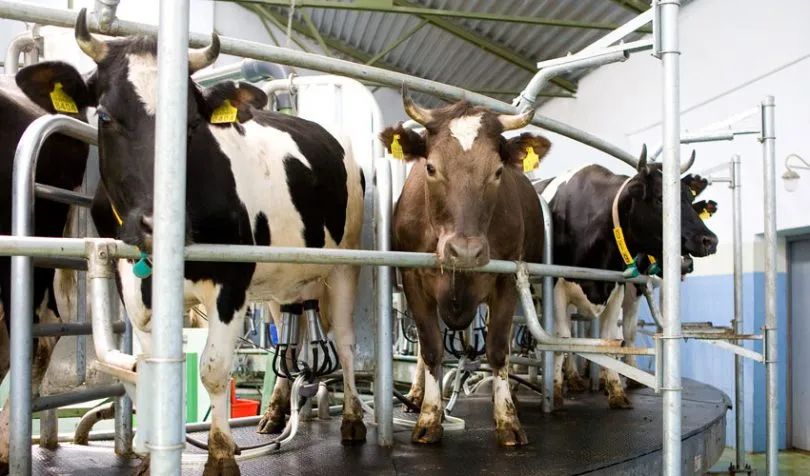
Single-origin fresh milk refers to milk that can be clearly traced to a specific farm and meets certain animal husbandry standards. This milk is usually produced by independently operated small-scale dairy farms and is processed separately after collection, hence it is also known as traceable milk. Compared to regular commercially blended milk, single-origin milk often delivers a more layered flavor and offers consumers greater peace of mind.

As consumers pay more attention to health, organic products, and sustainability, more people are beginning to care about the origin and production process of their food. The popularity of single-origin coffee beans stems from their ability to showcase the unique flavors of a particular region and to help consumers form an emotional connection with the farmers. Similarly, single-origin fresh milk continues this philosophy, making milk coffee not just a flavor enhancer, but a traceable, story-rich beverage experience.
Although in terms of taste, single-origin milk may not differ greatly from regular blended milk, its texture is usually more vibrant and rich, and consumers can clearly understand the production background of the milk, truly achieving “knowing the roots and tracing the source.” This transparency not only boosts consumer trust but also makes the overall coffee drinking experience more complete.
Especially in Australia, where there is a strong passion for espresso-based milk coffee, many specialty cafes have long been using single-origin milk to make classic drinks such as lattes, cappuccinos, and flat whites. Many cafe owners have observed that over the past decade, consumers are no longer solely chasing intense milk aroma, but are more concerned about the origin and sourcing process of the coffee beans, hoping the beans are produced in an ethical and transparent manner.
However, some coffee enthusiasts believe that high-quality single-origin coffee beans should not be mixed with milk to preserve the purity of their original flavors. But in reality, as milk coffee becomes more widespread, more consumers are seeking a balance between natural and flavored tastes. Different types and ratios of milk allow coffee to present a variety of textures, also meeting personalized flavor preferences.
During the heating and frothing process, lactose in milk is “activated,” releasing a natural sweetness, while milk fat enhances the richness of the coffee. Paired with delicate microfoam, this can give espresso-based milk coffees such as lattes, cappuccinos, flat whites, and macchiatos distinctly different layers and textures. For this reason, choosing the right milk is crucial for successful latte art and overall flavor performance.
With the rise of specialty coffee culture, many baristas have started brewing with single-origin coffee beans, striving to present clear regional characteristics even under high-concentration extraction. Similarly, some milk coffee lovers hope to experience more distinctive coffee flavors even when milk is added, leading to higher demands on milk selection.
A cafe owner pointed out that although products made with single-origin fresh milk are relatively more expensive, many customers are still willing to choose this kind of highly traceable whole milk. They reported that this milk has a more pronounced sweetness, greater body, and an overall noticeable improvement in taste, elevating the coffee experience to a new level.
Beyond Australia, cafes around the world have also begun using locally distinctive alternative milk sources, such as camel milk, goat’s milk, and sheep’s milk. These milks are typically produced by qualified farms, not only offering unique flavors that can impart different characteristics to coffee, but also having relatively smaller demand, making it easier to trace their origins. Moreover, by incorporating local specialty ingredients, cafes can evoke consumers’ memories with familiar tastes, bringing them closer to their customers.
In China, more and more cafes are offering options of smallholder milk sourced from small-scale farms. This milk is often raised, produced, and sold locally by these farms, usually tasting richer and sweeter than mass-produced milk, and its origin can also be clearly traced. However, when selecting, it is still important to choose dairy products from qualified producers that meet hygiene standards, and prioritize safe products that use ultra-high temperature instant sterilization technology and maintain freshness throughout the production process.
In summary, the rise of single-origin fresh milk is not just about improved flavor, but also reflects consumers’ pursuit of transparency in food sourcing, sustainability, and personalized experiences. Whether you’re a barista or a coffee lover, when choosing milk, take the time to learn more about its origin and characteristics—so that every cup of coffee can showcase the purest charm of its flavor.
The above content is compiled by CoffeeHunters, a coffee news website.


