







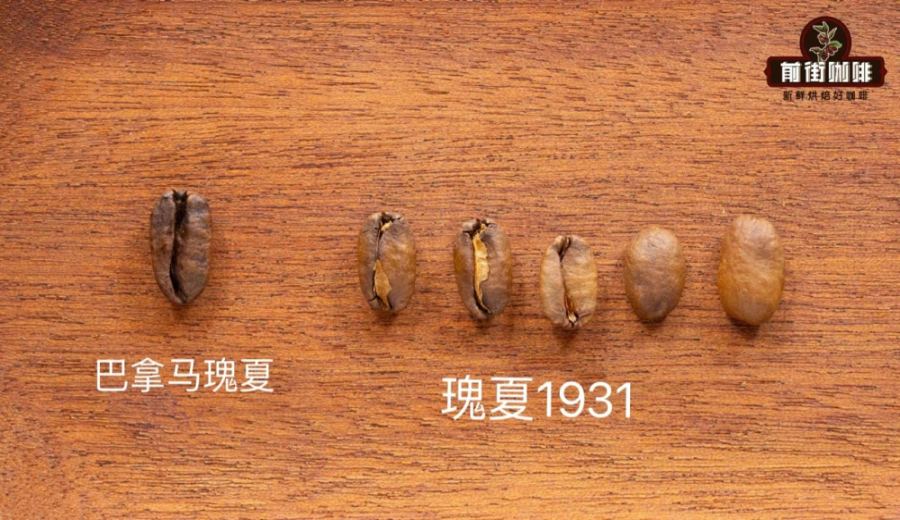
Introduction:Geisha coffee is renowned for its distinctive floral and citrus notes, yet the same variety can exhibit vastly different flavor profiles depending on its origin. This article delves into the differences between Geisha from Panama and Ethiopia—the two primary producing regions—exploring everything from variety origins, cultivation altitudes, microclimates, to post-harvest processing. You’ll understand why one cup of Geisha might be delicate with lemony aromas, while another presents tropical fruit and honey sweetness. Practical pour over suggestions and extraction parameters are also included to help you better appreciate the diverse charm of Geisha.
Geisha coffee is arguably one of the most celebrated varieties in the global specialty coffee market after Blue Mountain. Its appeal lies not only in its unique aromatic layers but also in the highly recognizable flavor variations it displays across different regions. Among these, Geisha from Panama and Ethiopia are the most representative. Though both are the same variety, they differ significantly in floral expression, acidity structure, and sweet finish.
Many wonder why Geisha tastes so different from country to country. This boils down to three key factors: the variety’s propagation history, terroir conditions, and post-processing techniques. Understanding these differences not only helps you better appreciate Geisha’s diverse expressions but also aids in making more informed choices when selecting coffee beans.
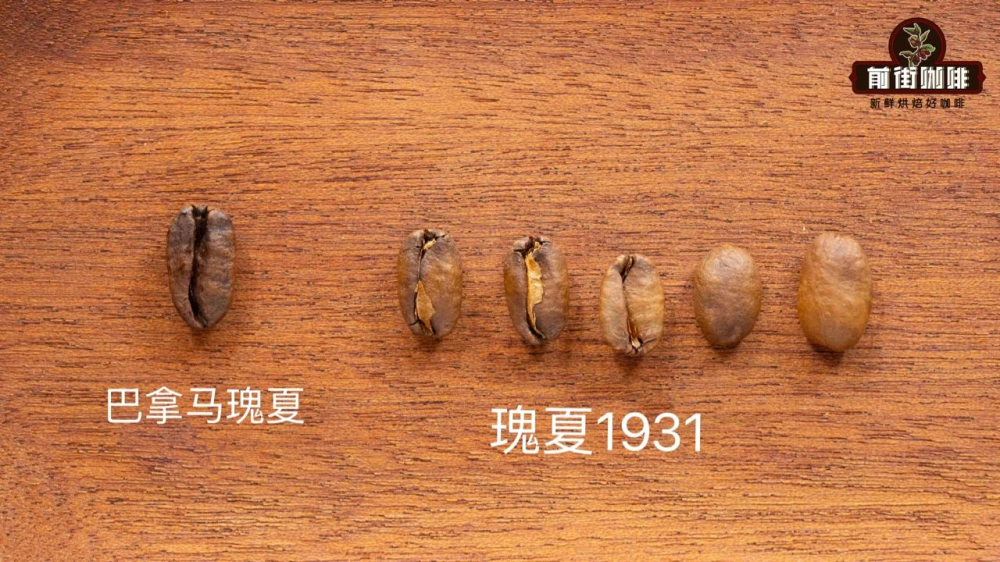
Geisha did not originate in Panama but rather in a pristine forest in southwestern Ethiopia—locally known as the Gesha highlands. In the early days, a British officer exploring the area collected various coffee seeds from this woodland and later introduced them to coffee research institutions in Kenya and Tanzania via the British consulate in Maji. As the officer lacked botanical expertise, he recorded the origin in his research report phonetically as ‘Geisha’ instead of the local name ‘Gesha,’ and this spelling error was subsequently carried forward.


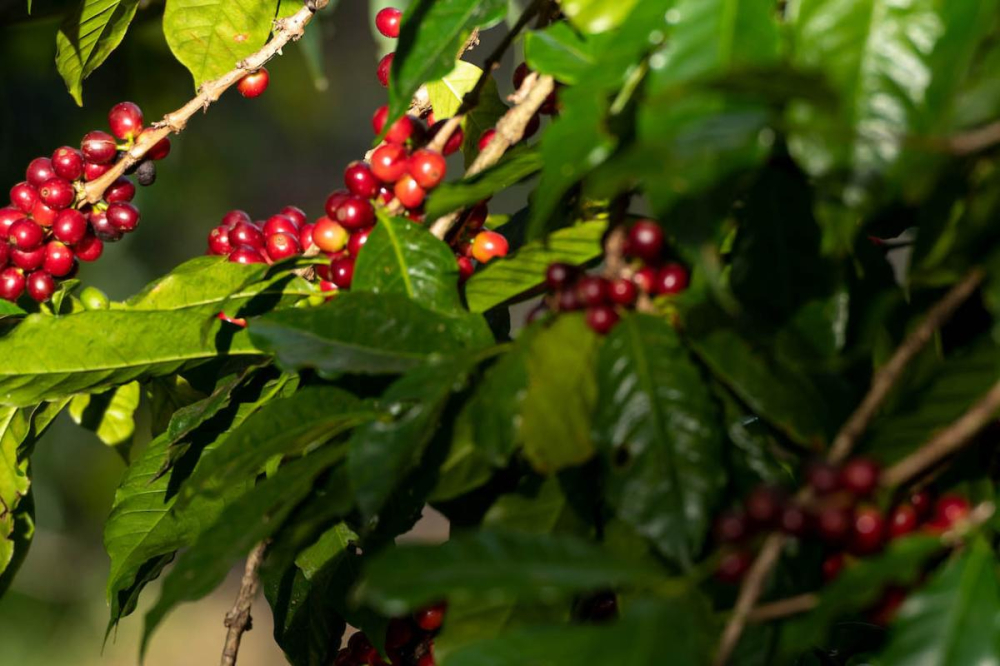
Upon arrival in Kenya, the seeds initially labeled as Geisha were classified and numbered based on plant morphology, with their growth performance continuously monitored. In 1936, promising strains—including coffee seedlings numbered 1, 9, 11, and 123—were sent to the Lyamungu Research Station in Tanzania for further cultivation. The station subsequently renumbered them and selected superior strains such as VC496 to VC500, laying the foundation for the subsequent spread of the Geisha variety.
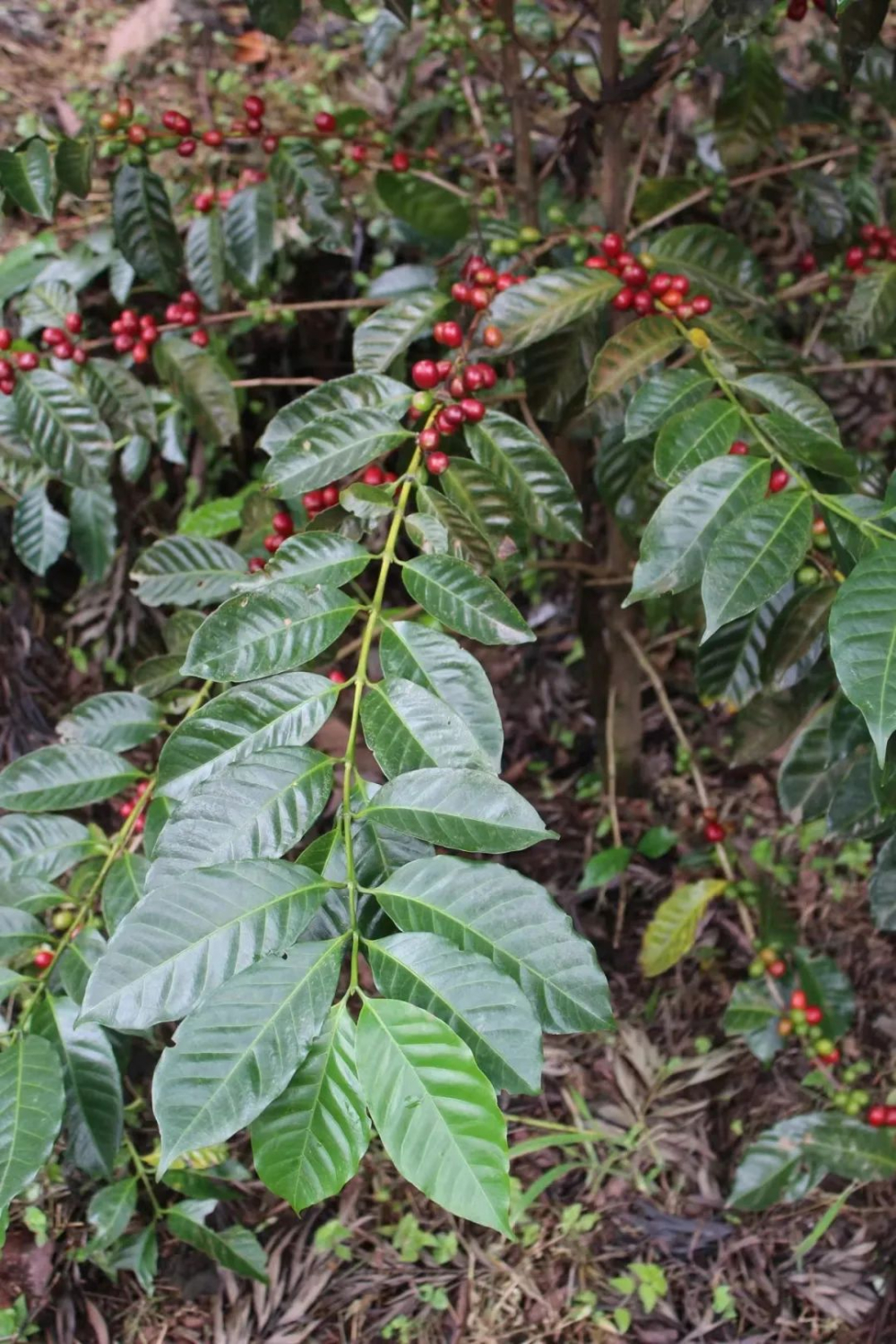



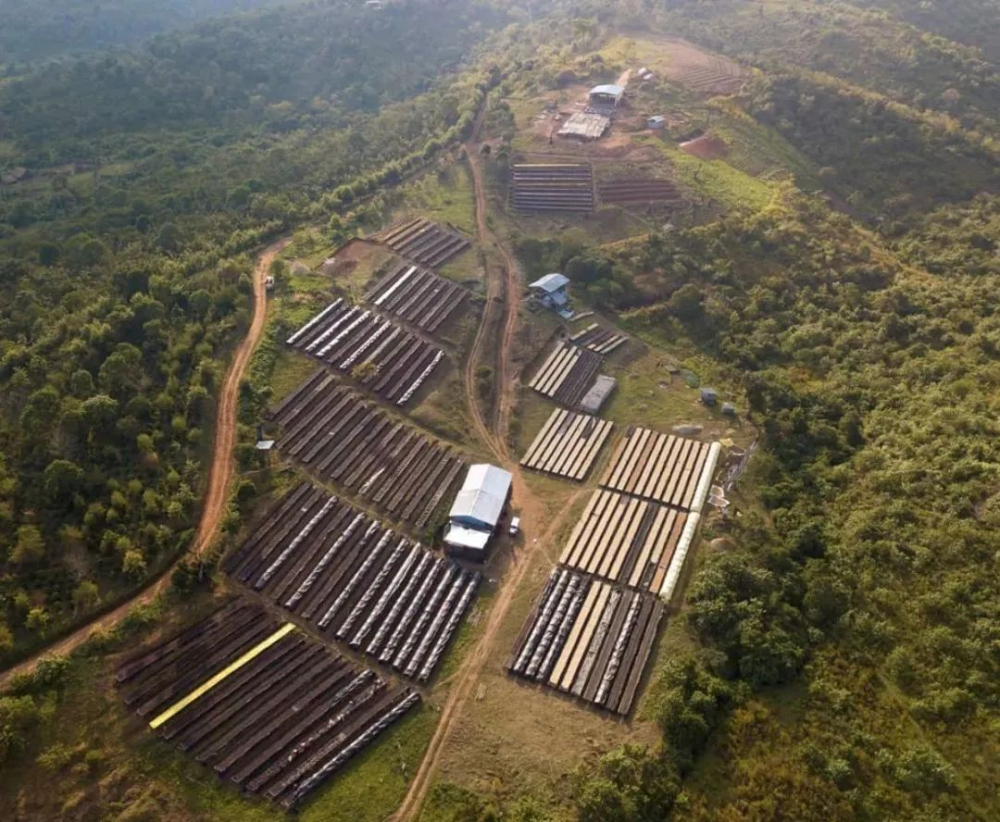
Geisha truly gained international attention after being introduced to Panama in 1963. However, in the beginning, due to generally low cultivation altitudes (mostly below 1400 meters), its potential remained unrealized, often lacking prominent citrus notes and instead exhibiting some unappealing harsh bitterness. It wasn’t until 2004, when Hacienda La Esmeralda planted Geisha at high-altitude plots in the Jaramillo farm ranging from 1500 to 1800 meters, that the variety was unexpectedly found to express extraordinary floral, tea-like, and refined citrus acidity characteristics in high-altitude environments, thus achieving instant fame.
Variations in microclimates are another major factor contributing to the divergence in Geisha flavors. Panama’s high-altitude regions feature significant day-night temperature differences and volcanic soils rich in minerals, which facilitate slow ripening of coffee cherries and the accumulation of richer flavor compounds. In contrast, Ethiopia, the birthplace of Geisha, though home to extremely diverse microclimates and high-altitude growing areas, often showcases Geisha with brighter berry, jasmine, and lemongrass aromas, livelier acidity, and a relatively crisp mouthfeel, sometimes even accompanied by a tea-like aftertaste.

Post-harvest processing is also a critical factor influencing the final flavor profile. Geisha from Panama typically undergoes natural or honey processing to enhance sweetness and fruitiness, while certain Ethiopian regions prefer traditional washed or natural methods to highlight clean acidity and native floral notes. It’s worth noting that over-fermentation during processing can easily mask the delicate intrinsic flavors of Geisha, resulting in overly fermented tastes and a loss of the variety’s intended complexity.
As for other countries with sporadic Geisha production—such as Colombia, Costa Rica, and even more obscure ones like Bolivia, Jamaica, and Yunnan in China—though markets occasionally see coffee beans labeled as ‘Geisha,’ most are either of unclear variety origin or, due to limitations in local terroir and processing techniques, fail to fully deliver the finesse and diversity Geisha is known for. Some may indeed be the true T2722 variety introduced from Panama, but differences in altitude, climate, or processing methods can lead to final flavor profiles that differ greatly from classic Panamanian Geisha.
In summary, the allure of Geisha coffee lies precisely in its ability to present an ever-changing spectrum of flavor profiles across different regions. Whether you’re a pour over enthusiast or a coffee aficionado focused on fine-tuning extraction parameters, understanding these regional differences and flavor drivers will help you better grasp brewing conditions to extract the most captivating Geisha characteristics. Try tasting Geisha from both Panama and Ethiopia to experience their subtle distinctions—you might just gain a whole new appreciation for this star coffee.
The above content is compiled by CoffeeHunters, a coffee news website.


