








Introduction:Whether the acidity in coffee is good or bad doesn’t hinge on whether it’s present or not, but rather on the quality and expression of that acidity. This article breaks down the difference between acidity and acid profile from a professional cupping perspective, helping you understand how variety, altitude, processing method, and roasting influence the expression of coffee acidity. It also explores the connection between fruit flavors and sweet-acid balance, and recommends beans with different acidity profiles—such as citrusy, berry, and tropical fruit notes—to help you find your ideal acidic coffee.
Coffee acidity is often misunderstood as a flaw, but in fact, it’s frequently a key indicator of a coffee’s quality. Whether acidity adds to or detracts from a cup isn’t about its presence, but how it presents itself—is it sharp and piercing, or bright and refreshing, even harmonizing beautifully with sweetness and fruitiness? This article takes a professional cupping approach to deeply examine the difference between “acidity” and “acid profile,” analyzes the factors that shape a coffee’s acidity traits, and further offers bean selection advice based on acid profile types. This will help coffee lovers more precisely choose their preferred acidic coffees.
In professional cupping terminology, we often describe coffee acidity from two angles: “Acidity” and “Acid Profile” (or “Acidity Quality”). Acidity refers to the intensity of sourness—the noticeable stimulation often first perceived on the sides of the tongue, typically evaluated in terms of strength. Acid Profile, on the other hand, concerns the “texture” or quality of the acidity—whether it has fruity notes, is bright and lively, or carries a vibrant, uplifting layering. The fruity acids displayed by fruits like lemons, citrus, and grapes are classic examples of pleasant acid profiles. Simply put,the quality of the acidity is often more important than its intensity..

There are actually many factors that influence coffee acidity, including variety, growing altitude, bean processing method, and roast level. Coffee contains various organic acids that are the main sources of its acidity, such as chlorogenic acid, malic acid, citric acid, and tartaric acid. Among them, chlorogenic acid generally brings bitterness and is one of the main reasons for a rough mouthfeel in coffee—it’s also a key factor behind why Robusta is often considered more bitter, as it typically contains higher levels of chlorogenic acid than Arabica. In contrast, malic acid and citric acid often have a positive correlation with the ripeness of the coffee fruit and the altitude at which it’s grown.Coffee grown at high altitudes, where there's a large day-night temperature variation and slower fruit maturation, usually accumulates richer and more nuanced acidity..
Roasting is also a crucial variable that affects how acidity is expressed in coffee. Light roasts, due to their shorter heating time, preserve more of the coffee’s native acidity and are the go-to roast style for many fruity and acidic coffees. However, as roasting time extends and temperatures rise, a series of Maillard reactions and caramelization processes occur within the beans, breaking down and transforming some acids. For example, quinic acid—a type that tends to increase during roasting—is also one of the common culprits behind a coffee tasting heavy or astringent. Therefore,the strength and retention of acidity are closely related to the roast temperature, duration, and development point..
Many people, when first encountering “acidic coffee,” often find it hard to accept, even believing that coffee is supposed to be bitter. But in truth, what’s truly off-putting is usually coffee that is “only acidic without any supporting sweetness.” Good acidity is often accompanied by pleasant sweetness, and this sweet-acid balance can make the overall flavor rounder and more layered. Just like when we eat an orange—if it’s only sweet and lacks acidity, the overall taste can feel flat; conversely, the juicy sensation of sweet-with-acid is what allows the palate to experience a complete flavor structure. That’s why, when describing coffee acidity, we often refer to fruit aromas as references—for example, apple, lemon, grapefruit, passion fruit, berries, cherry, citrus, peach, pineapple—these are all classic examples where acidity and sweetness complement each other.
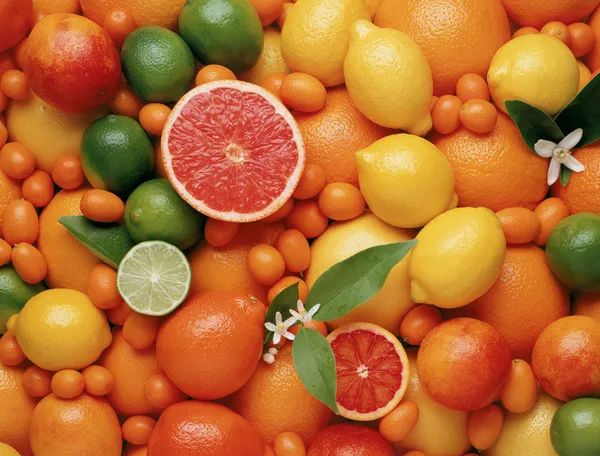
So, just how diverse can coffee acidity be? In fact, by observing the fruit flavor descriptions of a coffee, you can get a general sense of its acidity type and expression, and then choose your preferred acid profile. If you prefer a bright, fresh, and uplifting acidity, washed-processed beans with high-altitude light roasting are an excellent choice. For example, washed Jade Green Label Geisha or Yirgacheffe Guji Diding—these coffees often showcase sweet-tangy notes of citrus fruits like lemon, orange, and grapefruit. They have a refreshing mouthfeel and light body, making them a top pick for those who love bright acidity.
If you prefer acidity paired with rich juice-like intensity, look for coffees described as having dark berry flavors. Washed Kenyan coffee is a representative example—it often presents tangy-sweet notes of blackberry, blackcurrant, and blueberry. The acidity here is tight and layered, creating a full-bodied and tension-filled juiciness on the palate upon entry. It’s highly suitable for coffee lovers seeking intense acidity and a bold mouthfeel.
Then there’s another category of coffee whose acidity is prominent but also balanced by high sweetness and fermentation aromas. These are usually sun-dried, medium-to-light roasted beans from high-altitude regions. Examples include sun-dried Jade Red Label Geisha, sun-dried Yirgacheffe Red Cherry, or sun-dried Sidamo Huakui. These coffees not only have lively acidity but also offer rich tropical fruit flavors like passion fruit, mango, and peach. The sweet and sour notes intermingle, with a distinct sweetness lingering in the finish—perfect for drinkers who enjoy complex flavors and soft acidity.
The above content is compiled by CoffeeHunters, a coffee news website.


