







Introduction:Have you ever experienced a pour over coffee that smells amazing but tastes muddled and hard to describe? Often, this isn’t due to lack of skill, but rather issues with concentration, water quality, resting period (aging), or pouring technique. This article delves into four common factors that affect the clarity of pour over coffee flavors, offering practical assessment methods and adjustment tips—including optimal coffee-to-water ratios, slowing down your pour, proper resting time, and choosing the right water—to help you easily extract coffee with clear, well-defined layers of flavor.
Brewing a cup of pour over coffee where you can clearly smell floral and fruity aromas, but the taste in your mouth feels chaotic and the specific flavors are indistinguishable, is a common frustration among many coffee enthusiasts. This situation often isn’t because your technique is lacking, but because certain elements—such as coffee concentration, pouring method, resting period, or even the water you use—are off. Below, we’ll break down the four main reasons why your pour over might lack clarity in flavor, along with specific ways to observe and adjust, helping you brew more precisely so that each cup’s flavors can shine through clearly.
1. Coffee Concentration Too High, Making Flavors Hard to Discern
When the concentration of your pour over coffee is too high—beyond the range where human taste buds can clearly distinguish flavors—your brain ends up blending all the taste signals together. The result is a murky overall mouthfeel and indescribable flavors. Many people, when setting their parameters, may overlook the unique characteristics of different coffee beans, leading to the use of an unsuitable coffee-to-water ratio.
For example, while a 1:15 ratio is commonly used, for coffee beans like Geisha or Yirgacheffe that emphasize bright, fruity, and floral notes,a 1:16 or even 1:17 ratiocan better highlight their delicate acidity and aroma. Through multiple tests, it has been found that lowering the concentration makes these beans’ characteristic flavors clearer and more vibrant.
If you find your coffee tasting intense and muddy, but not particularly weak, then it’s very likely the concentration is too high. A simple adjustment is toadd 10–20 ml of hot water to the cup to dilute it,which can help the flavors come through. You can also adjust your standard coffee-to-water ratio for specific bean varieties—for instance, changing from the usual 1:15 to 1:16—to observe the difference.

2. Overly Aggressive Pouring and Stirring Releases Undesirable Flavors
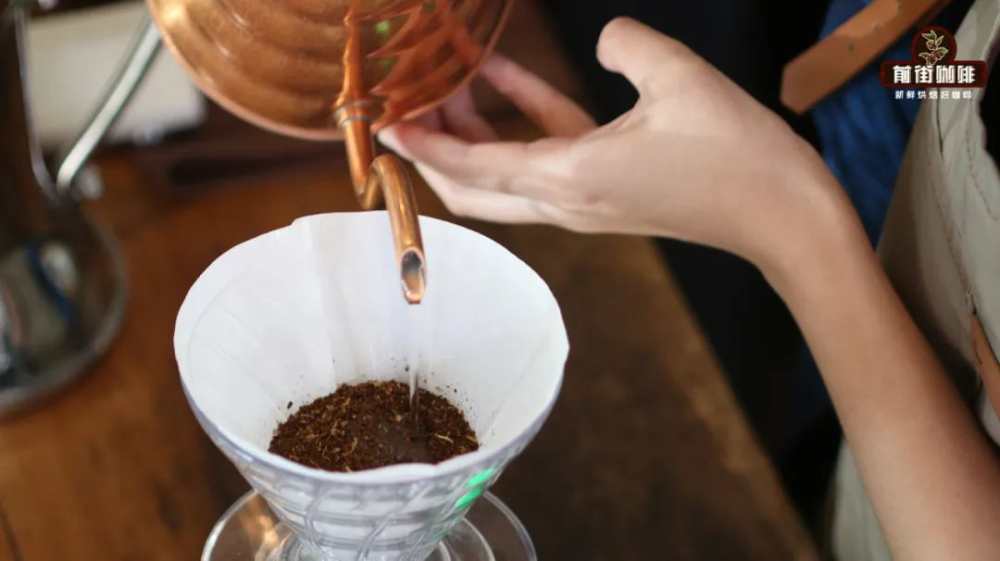
During brewing, moderate circular pouring helps achieve even extraction, but ifthe stirring is too forceful or too fast,it can easily release bitter, astringent substances and unwanted flavors trapped in the coffee grounds, resulting in an overall messy and unclear flavor profile.
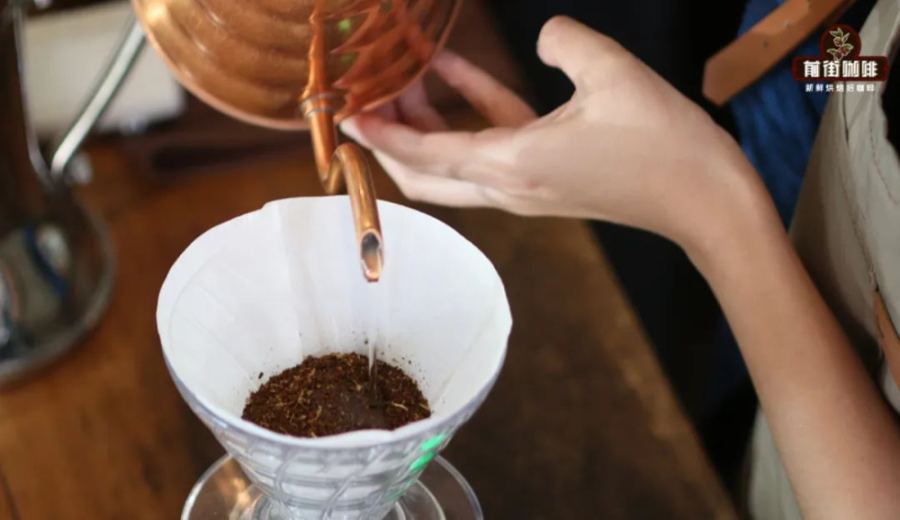
If you’re used to vigorously and quickly agitating the water flow, and often end up with unclear-tasting coffee, it’s advisable toslow down the circular pouring speed and reduce wrist pressure,allowing the water to interact more gently with the coffee grounds. This helps enhance the purity and layering of the flavors.
3. Insufficient Resting Period of Coffee Beans Affects Extraction Stability
Freshly roasted coffee beans contain a large amount of carbon dioxide. Brewing them without proper resting time allows these gases to interfere with the contact between water and coffee grounds, causing uneven extraction. Common issues include: weak flavors, green/astringent notes, astringency, and an overall muddled taste.
Before brewing, be sure to check the roast date of the coffee beans.Generally, it is recommended to let pour over coffee beans rest for 4–7 daysto allow internal carbon dioxide to dissipate properly, ensuring stable extraction of desired aromas, acidity, and sweetness. If the beans were roasted very recently, it’s best to wait a few days before brewing instead of rushing the process.
4. Brewing with Pure Water Results in Flat, Hollow Flavor
Many people assume pure water is the “cleanest” and thus best for brewing coffee, but that’s not the case. Pure water lacks minerals—especially magnesium and calcium ions, which positively influence flavor extraction—and can make coffee taste bland, thin, or even hollow.
To achieve better extraction and flavor, it is recommended to use drinking water containingan appropriate amount of magnesium and calcium ions,such as filtered tap water or commercially available specialty brewing water. These types of water help enhance the coffee’s acidity, sweetness, and aroma, resulting in a cup with richer layers of flavor.
In summary, unclear flavors in pour over coffee are usually not caused by a single issue, but rather the combined effects of concentration, pouring technique, resting time, and water quality. By examining and fine-tuning these four aspects one by one, you can effectively improve the clarity of your coffee’s flavors, making each pour over cup more layered and easier to describe. Try adjusting your next brew based on these suggestions and experience a clearer, more captivating world of coffee.
The above content is compiled by CoffeeHunters, a coffee news website.


