







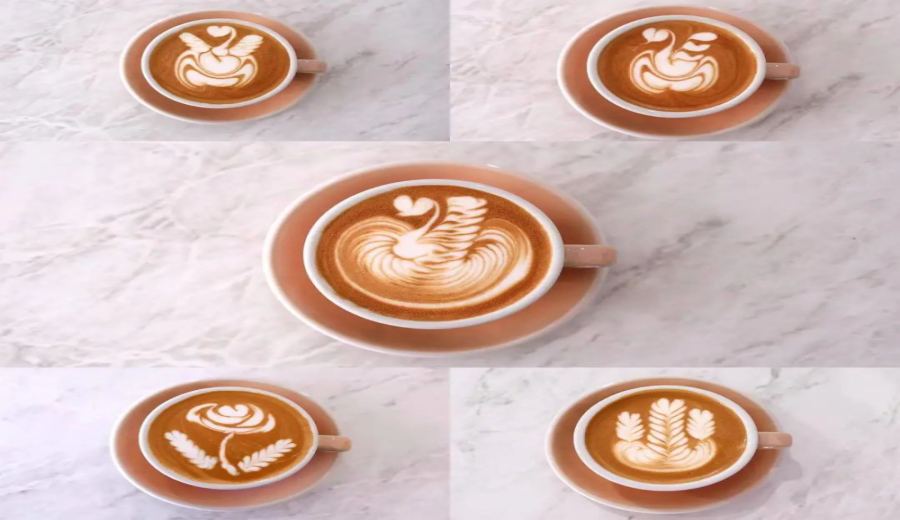
Introduction:Have you ever been amazed by the delicate heart or leaf patterns on the surface of a cup of coffee in a café? These beautiful latte art designs actually have a long history of development. This article takes you through the journey of coffee art—from its birth with the steam-powered coffee machines in Milan, Italy, to the accidental creation of the heart shape by a barista in Seattle, USA, and its evolution into an essential element of global specialty coffee culture. From visual decoration to professional skill, explore how latte art influences both the flavor and overall drinking experience of coffee.
Step into a modern café and order a milk-based coffee, and you’re often drawn to the exquisite latte art on the surface of the cup—whether it’s a simple heart or an intricate leaf. These patterns are not just decoration but a display of professional skill. How did this widely known “Latte Art” come about? It began with Italy’s steam coffee technology, evolved through innovative developments in Seattle, USA, and has become an indispensable part of today’s global coffee culture.
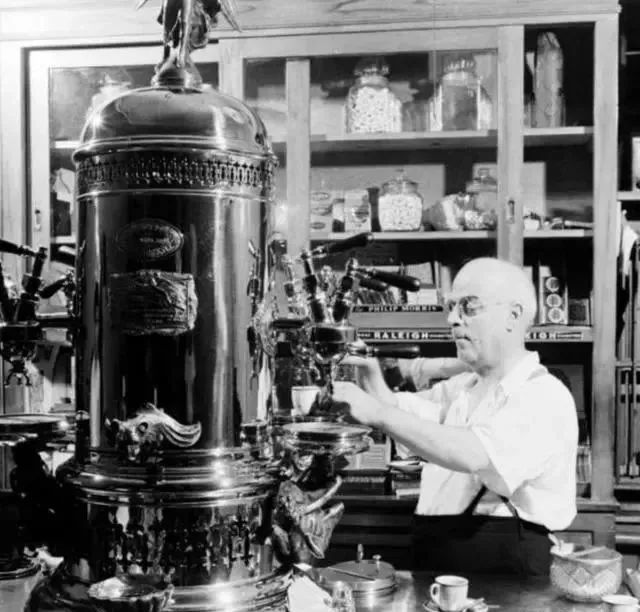
The birth of coffee latte art is inseparable from a key invention in Milan, Italy, in the early 20th century. At that time, manufacturer Luigi Bezzera created the world’s first semi-automatic steam-pressure coffee machine to improve coffee extraction efficiency and was granted a patent in 1901. Later, Italy’s La Pavoni company acquired the patent and launched a commercial coffee machine equipped with a steam wand in 1906, allowing baristas to more precisely control the steaming and blending of milk.
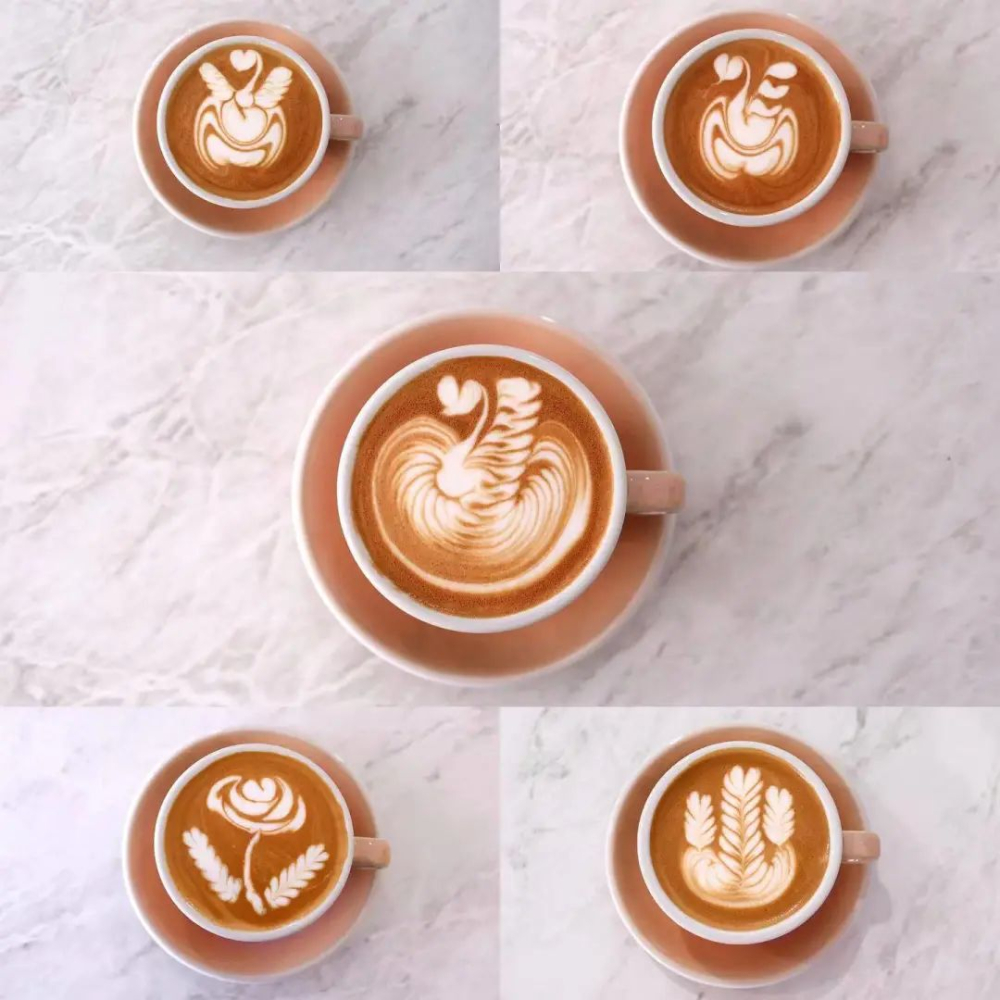
Although the practice of using steam to heat milk had already existed in Italy since the late 19th century, the true art of latte art did not emerge until much later. It wasn’t until several decades later that latte art gradually entered the public eye, thanks to an American barista—David Schomer. In the 1980s, he ran a small coffee stand in Seattle and accidentally discovered that the white milk foam poured at the end naturally formed a heart shape on the surface of the espresso when making a milk coffee.
This accidental discovery sparked David’s passion for researching latte art techniques. He delved into the brewing and steaming methods of Italian espresso at the time, further opened his own coffee shop Espresso Vivace, and dedicated himself to researching and teaching this “pattern-pouring” technique. He not only improved his own skills but also trained many baristas capable of creating high-quality latte art. By the late 1980s, this decorative style of coffee began to gain popularity in the United States and quickly spread around the world.
Latte art is also known as “latte art,” a term derived from the Italian “Caffè Latte,” where “Latte” means milk. Pouring finely textured hot steamed milk slowly into espresso while using the fluidity of the milk foam to draw patterns results in what is called “Latte Art.” Early latte art designs mainly featured simple hearts and leaves. With the rise of specialty coffee culture, baristas around the world began to challenge more complex and refined designs, even developing advanced techniques that involve carving with milk foam and toppings.
However, latte art is not just about surface aesthetics. With the industry’s development and the elevation of consumer taste, modern coffee latte art not only emphasizes the visual beauty of the design but also focuses on the texture, smoothness, and integration of the milk with the espresso. These factors directly impact the overall flavor profile of the coffee, aiming for an ultimate experience that combines color, aroma, and taste. As David Schomer emphasized, a successful latte art piece relies on high-quality espresso and fresh, finely textured milk.
In today’s era of popular social media, the reason why milk-based coffees like lattes and flat whites are so well-received online is undoubtedly due in large part to the addition of latte art. Who doesn’t love a cup that’s not only rich and smooth but also features highly appealing, visually stunning latte art?
The above content is compiled by CoffeeHunters, a coffee news website.


