







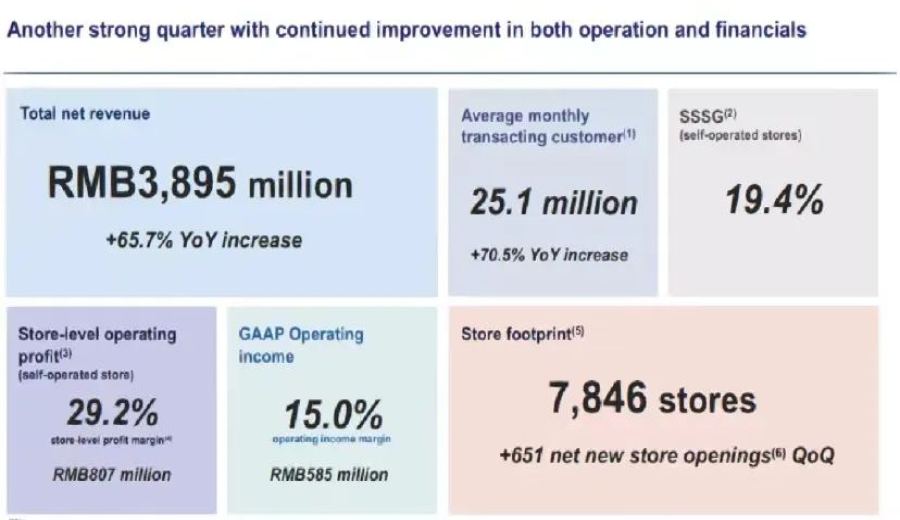
Introduction:In the third quarter of 2022, Luckin Coffee officially surpassed Starbucks to become the Chinese chain coffee brand with the most stores, boasting a network of 7,846 outlets. From once facing bankruptcy to making a rapid comeback, Luckin’s reversal is not only attributed to best-selling products like the Coconut Latte and Cheese Latte, but also to its precise youth-oriented marketing, community engagement, and product iteration strategies. This article delves into its store expansion logic, hit product development path, and user operation methods, helping readers understand how an affordable chain coffee brand can stand out in the market.
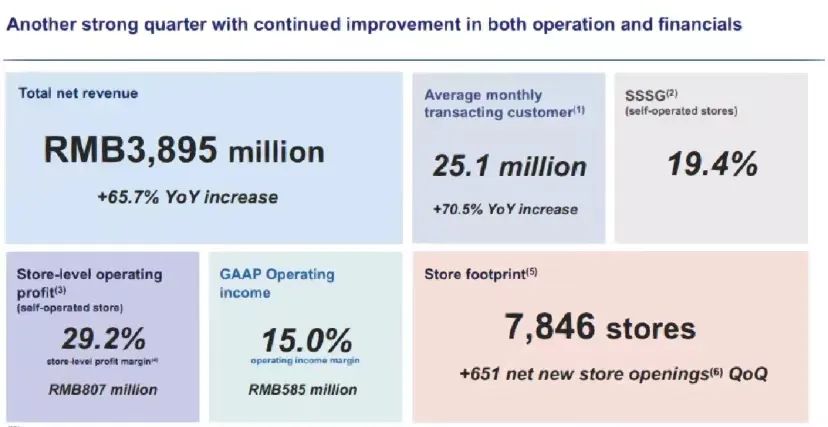
In the third quarter of 2022, Luckin Coffee delivered an impressive report card: with a total of 7,846 stores, it officially surpassed Starbucks to become the coffee brand with the largest number of chain stores in the Chinese market. Notably, this achievement was realized in just over a year after Luckin applied for bankruptcy protection and made a full turnaround. What kind of strategy enabled Luckin to rise rapidly in such a competitive market and even overtake the former industry leader?
The answers can be found in its popular products, community marketing, youth-focused R&D, and refined user operations. In particular, hit products like the Coconut Latte and Cheese Latte not only boosted sales but also successfully shaped the brand’s youthful and trendy image. Among them, the Coconut Latte sold over 100 million cups within a year of its launch, becoming a daily choice for many consumers. Netizens describe its flavor as “less guilt-inducing than bubble tea, yet fresher than traditional espresso,” and this “just-right dopamine” is one of the reasons for its popularity.
Besides the Coconut Latte, Luckin has also launched many new products that sparked discussions, such as the Cheese Latte. This product set a sales record of 1.31 million cups on its first day of release, becoming another “day-one sales champion” following the Cloud Macchiato. Such achievements are not accidental but the result of Luckin’s precise efforts in product development and market insight.
Luckin also performs admirably in marketing, especially its operations on social media platforms, which can be considered exemplary in the industry. On platforms like Xiaohongshu (Little Red Book), content promoting Luckin drinks abounds, creating a kind of “organic virality.” During holiday marketing, Luckin further demonstrates its keen grasp of market psychology. For example, during Qixi Festival (Chinese Valentine’s Day), Luckin launched a collaboration product with Sad Frog called “Frog Luck Strawberry,” featuring packaging designs with couple heart signs and a “peony” Easter egg for singles, successfully resonating with the single demographic and being hailed as a successful case of “reverse marketing.”
So-called reverse marketing refers to creating unexpected surprises or contrast effects by going against mainstream expectations, thereby sparking consumer discussion and participation. By targeting the single demographic on Qixi, traditionally a “couples-themed day,” Luckin not only broke conventional thinking but also successfully touched the hearts of young consumers.
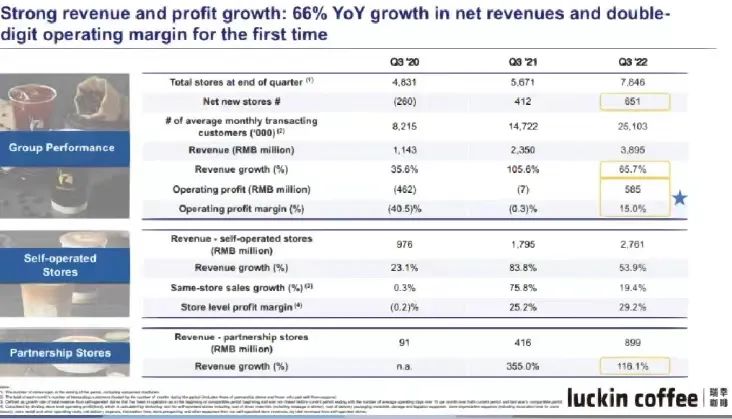
Luckin’s success is not only derived from its marketing strategies but also owes much to its refined user operations and efficient product iteration capabilities. In terms of user interaction, Luckin actively utilizes live-streaming platforms—for instance, setting up a brand zone on Douyin (TikTok’s Chinese counterpart), where high颜值 hosts engage in companion-style live streams paired with limited-time offers such as 9.9-yuan coupons for thick milk lattes, successfully attracting significant user attention and purchases. Many consumers note that promotional activities sell out quickly, highlighting their appeal.
Additionally, Luckin’s new product R&D speed is also one of its competitive advantages. It is understood that Luckin’s R&D team is mainly composed of young people who firmly believe that “only young people truly understand young people.” As a result, during the product testing phase, multiple internal tastings are conducted to continuously adjust formulas and flavors. An employee revealed that a final market-ready Matcha RiNalce might have started as a simple matcha drink, refined through repeated trials and market research. This user feedback-driven R&D model enables Luckin to consistently launch new products that align with market tastes.
From a broader market perspective, Luckin’s positioning is closer to the mass consumer. Compared to specialty coffee or brands like Starbucks that cater more to the mid-to-high-end market, Luckin meets the public’s demand for “everyday coffee” with its high cost-performance ratio. For many consumers, what Luckin offers is not just a cup of coffee, but a convenient, affordable, and quality lifestyle choice. This affordable chain model plays a non-negligible role in promoting the popularization of coffee consumption in China.
Once doubted by outsiders as unlikely to survive “two years,” Luckin has now steadily operated into its sixth year. From crisis to comeback, Luckin’s development journey is not only a brand rebirth but also a classic case of how a company can swiftly adjust strategies and seize opportunities amid market changes. In the future, as market competition intensifies, whether Luckin can maintain its edge remains to be seen, but it has already written a remarkable chapter in China’s coffee industry.

The above content is compiled by CoffeeHunters, a coffee news website.


