







Introduction:As COVID-19 prevention and control measures were relaxed, many coffee shops had anticipated a rebound in customer traffic, but unexpectedly faced the dual challenges of staff absences due to infections and a backlog of delivery orders. This article delves into the real operational status of the coffee industry after the reopening, analyzes the reasons behind the decline in foot traffic, and provides practical insights and recommendations to help both industry players and consumers understand the current market dynamics.
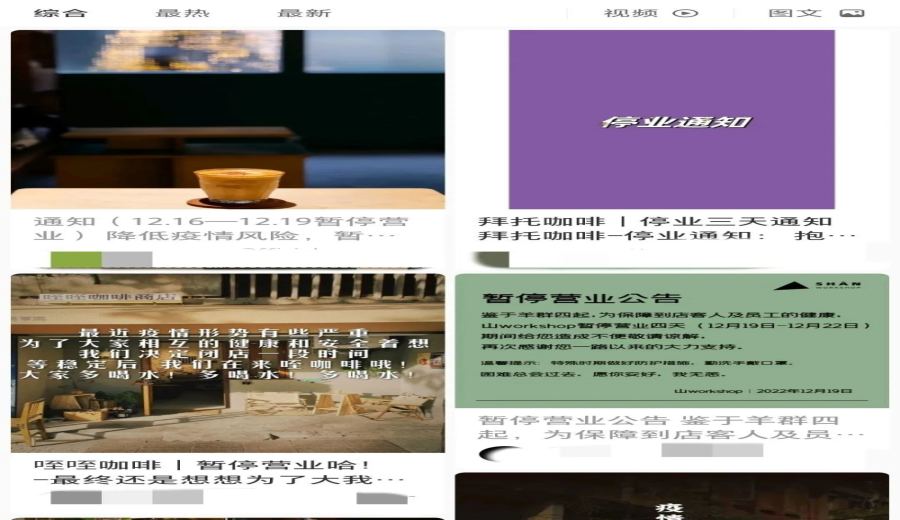
After the relaxation of pandemic control policies, many coffee shops did not see the expected return of customers. Instead, they found themselves in the awkward situation of “no customers during lockdowns, no staff after reopening.” Social media platforms have been flooded with announcements from shops temporarily closing due to infected staff or owners. Although delivery orders continued to pile up, there was a shortage of manpower to handle them, throwing the overall operation into disarray.
Since the afternoon of December 7, when the State Council’s Joint Prevention and Control Mechanism announced the “Ten New Measures” to ease pandemic restrictions, subway stations across the country removed health code checks and venue code requirements. Malls and restaurants seemed to regain their bustling crowds, but this “rebound” was only short-lived. Just a few days later, the number of infections rapidly increased, and many people chose to stay home to avoid the virus, leading to a noticeable decline in foot traffic at physical stores.
Notably, even with full reopening of dine-in services, many consumers, out of safety concerns, still preferred takeout or delivery options. However, due to a large number of delivery and group-buying personnel also being absent due to infections, delivery orders piled up severely. Even if consumers managed to place an order, they might face long waits or even eventual cancellations.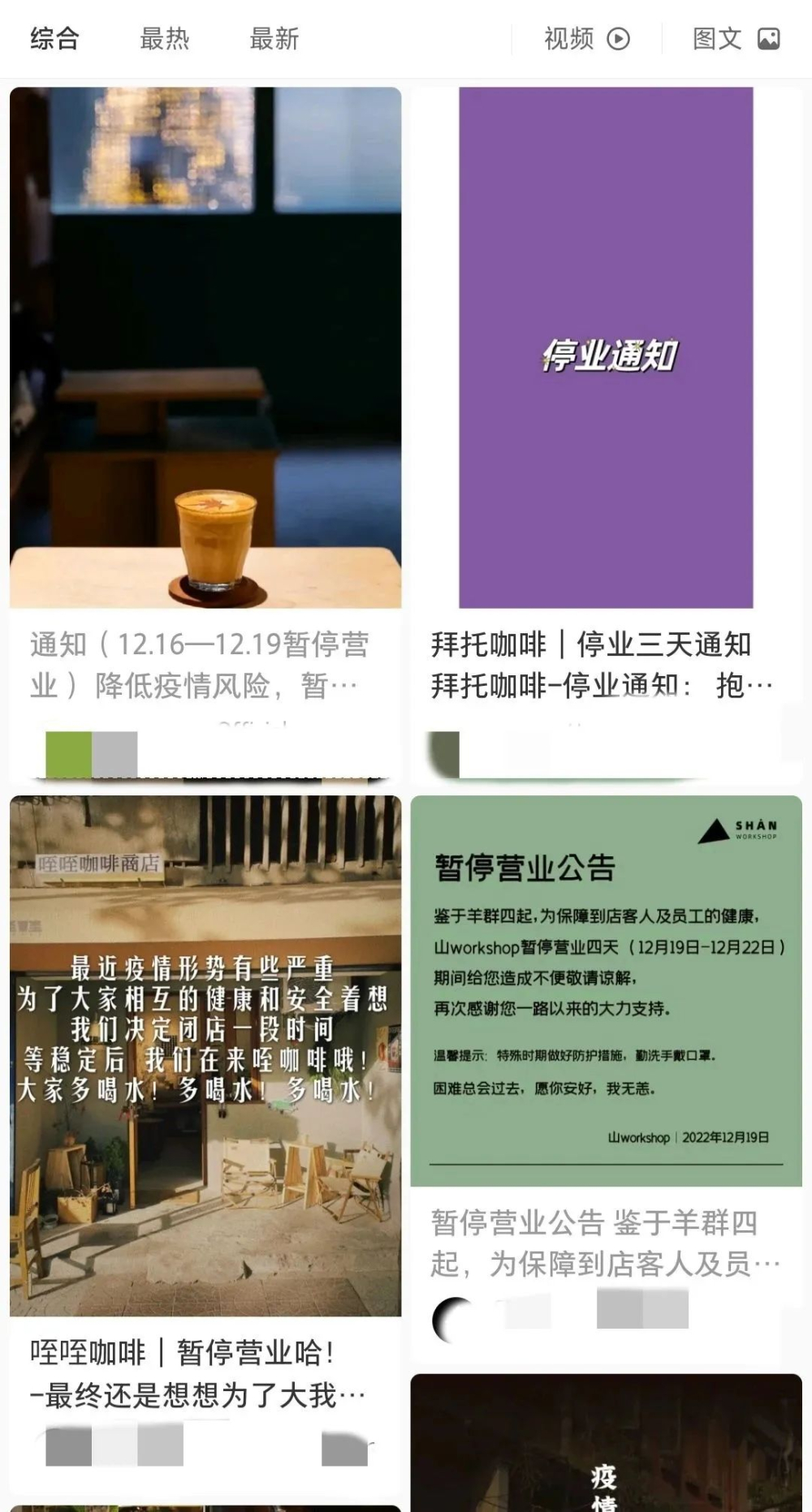
According to data reported by the media, within five days after the lifting of restrictions in one city, subway ridership plummeted from 1.18 million to just over 700,000. A comparison chart of subway station traffic during the morning rush hour circulated widely on social media, visually illustrating the sharp drop in foot traffic.
Faced with continuously rising year-end rents and operational costs, many coffee shop operators are now at a critical decision-making juncture. Industry experts point out that after a full reopening, there is usually a chaotic adjustment period lasting several months, during which consumer confidence and economic activity may remain subdued. However, it is expected that the market will gradually stabilize after three months, and shops that endure this transitional period may welcome a recovery opportunity.
Currently, in many cities, citizens are voluntarily joining the delivery workforce, mainly because a large number of professional delivery and group-buying personnel are absent due to illness, resulting in a supply-demand imbalance in delivery services. For consumers, if they see a coffee shop still open on a delivery platform, it is recommended to make a reservation in advance or opt for self-pickup to reduce waiting time and improve the chances of a successful order.
In summary, although the initial market chaos after the reopening of the pandemic poses challenges to the coffee shop industry, through reasonable operational adjustments, cost control, and expectation management, shops still have the opportunity to steadily navigate this transition period. For consumers, understanding the current supply chain and labor bottlenecks can also help adjust consumption habits and jointly maintain market order.
The above content is compiled by CoffeeHunters, a coffee news website.


