







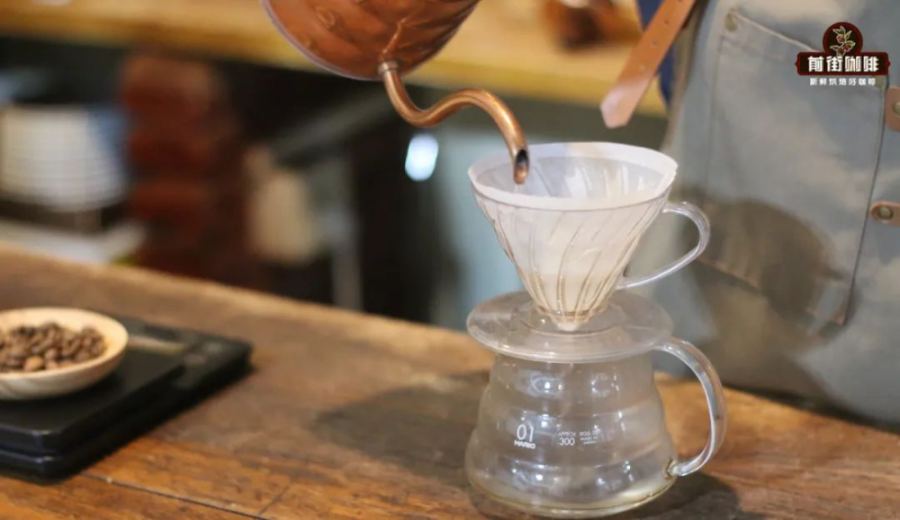
Introduction:To brew a pour over coffee with balanced flavors and clear layers, precision must be maintained from the very beginning. Many people overlook critical details such as filter paper fit, water temperature maintenance, grind timing, and dose verification before pouring water, which can lead to uneven extraction, aroma loss, or even distorted flavors. This article outlines four commonly neglected yet essential preparation steps to help you improve brewing success from the fundamentals, bringing every cup of pour over coffee closer to its ideal flavor profile.
The charm of pour over coffee lies not only in the moment of pouring but also in every detail before brewing. Eliminating potential instability factors before extraction can significantly enhance the stability and expression of the final flavors. Many coffee enthusiasts focus on pouring techniques and time control but neglect the basics before brewing. As a result, even with excellent technique, coffee performance may falter due to early-stage detail mistakes.
Based on practical experience, the following four commonly overlooked preparation steps actually have a significant impact on coffee extraction efficiency, aroma release, and overall flavor presentation—making them well worth mastering for every pour over enthusiast.
1. Filter Paper Fit: Ensure Smooth Venting and Stable Water Flow
The fit between the filter paper and the filter cone is often the first hurdle affecting pour over coffee. If the filter paper does not adhere fully to the cone, it can obstruct venting during the bloom phase and hinder drainage through the filter’s ribs. When gaps exist between the paper and the ribs, water cannot distribute evenly, leading to over-extraction in some areas and under-extraction in others, resulting in unbalanced overall flavors.
Before pouring water, it’s recommended to fold the filter paper, gently place it in the cone, and rinse it with a small amount of hot water. This not only helps the paper adhere better to the inner wall of the cone but also preheats the brewing equipment and removes any papery taste. After rinsing, discard the excess water before adding the coffee grounds. Though seemingly simple, this step is foundational for stable extraction.
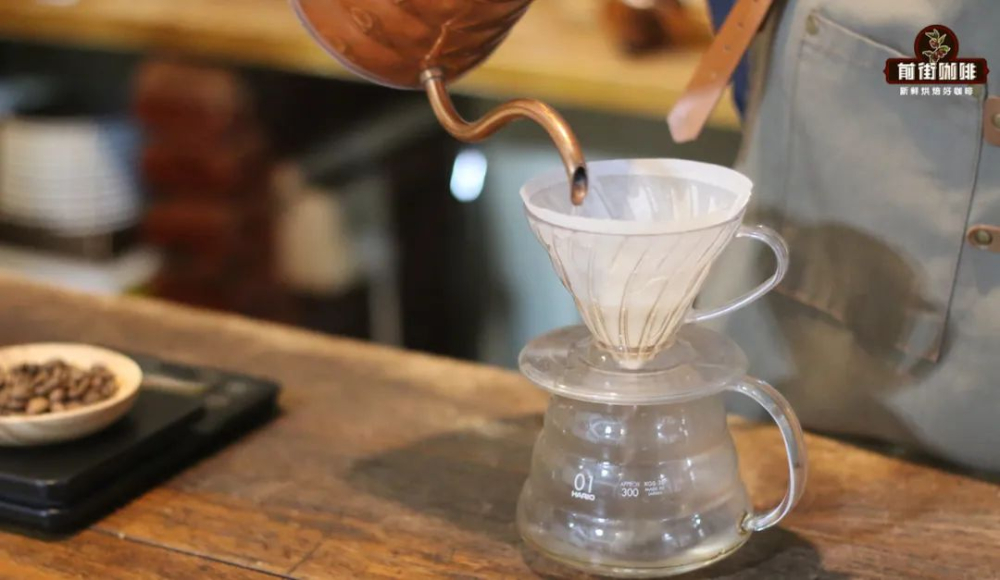
2. Water Temperature Control: Pour Immediately to Lock in Optimal Extraction Temperature
Water temperature is one of the key parameters influencing coffee flavor expression. The general recommended range is about 90°C to 96°C, adjusted according to bean variety and roast level. However, many overlook the gradual drop in water temperature during preparation. Especially when using non-temperature-controlled kettles, the time lag between measuring the water and actually pouring it can cause a drop of 1–3°C.
If using a standard kettle, consider setting the initial water temperature slightly higher than your target extraction temperature based on the kettle material’s heat absorption (e.g., aim for 95°C if targeting 93°C), and pour immediately after confirming the temperature to avoid prolonged waiting and heat loss. With a temperature-controlled kettle, adjust to the desired temperature before brewing and turn off the heating function just before starting. There’s no need to reheat between pours, as natural cooling is part of the pour over process and helps balance overall extraction.
3. Grind Timing: Grind Fresh Right Before Brewing to Preserve Maximum Flavor Potential
Once coffee beans are ground, their aromatic compounds are rapidly released—especially at room temperature, where up to 60% of volatile aromas can dissipate within minutes. Therefore, it’s recommended to grind just before brewing, as the final step after all other preparations are complete, and proceed with pouring water immediately to lock in the fullest original flavors.
For users of electric grinders, prioritize completing tasks like weighing, preheating equipment, and rinsing the filter before grinding. Then quickly transfer the grounds to the filter cone. If using a hand grinder, test the grind time in advance and allow sufficient time for water temperature checks and preparation. For example, if grinding takes about 1 minute, pour hot water into the kettle, measure the temperature, and estimate the cooling time to ensure the water is at the right temperature when the grounds are ready.
4. Dose Verification: Accurate Weighing for Stable Extraction Ratios
After grinding, coffee grounds may experience “retention” or “spillage” due to grinder design or burr wear, causing the actual weight in the filter cone to differ from the expected amount. Even a ±0.5g discrepancy can noticeably affect coffee strength, acidity-sweetness balance, and overall flavor.
After transferring the grounds to the filter, it’s advisable to weigh them again with a precise electronic scale to confirm the actual dose. If there’s a deviation from the intended amount (e.g., 14g), adjust the water volume accordingly to maintain a proper brew ratio. For instance, if the original plan was a 1:15 ratio with 210ml water for 14g, and the actual dose is 14.5g, adjust the water to approximately 217.5ml to ensure extraction consistency and avoid over- or under-extraction due to inaccurate dosing.
In summary, the stability and deliciousness of pour over coffee stem from attention to and control over every detail. From filter fit, immediate water use, grind timing, to final dose verification, these steps may seem basic but are the cornerstone of a great cup. Master them, and you’ll face each pour over challenge with greater confidence.
The above content is compiled by CoffeeHunters, a coffee news website.


