







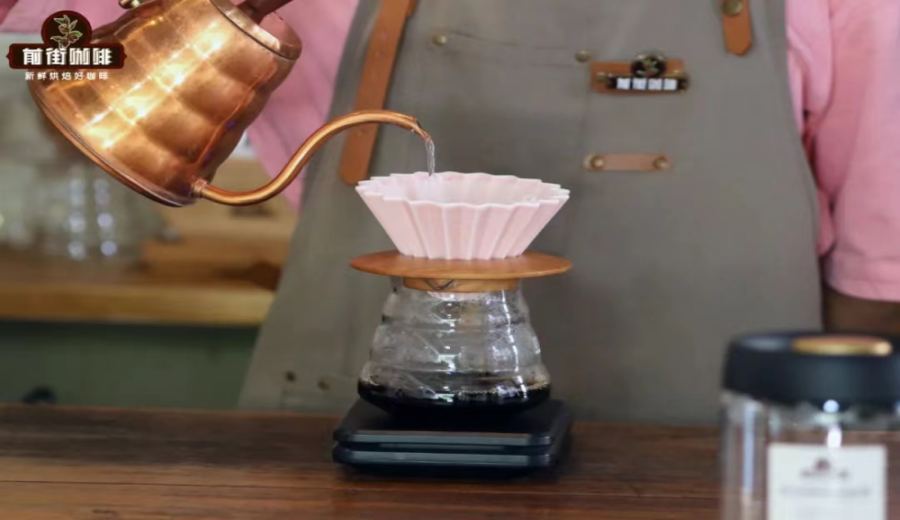
Introduction:The impact of water quality on pour over coffee is often underestimated, yet it actually makes up as much as 98.7% of the final cup. This article delves into how the ratio of calcium and magnesium ions in water, as well as TDS values, can influence coffee flavor, and uses real-life examples to illustrate how switching water sources (such as Nongfu Spring) can help identify the root cause when off-flavors or unwanted sensations arise—helping you optimize your brewing performance within a reasonable budget.
When brewing a cup of pour over coffee, the role of water absolutely cannot be overlooked—it accounts for 98.7% of the total composition, making its importance no less than that of the coffee beans or grinder. This article will guide you through the actual effects of water quality on coffee flavor, with a particular focus on the functional mechanisms of calcium and magnesium ions in water, as well as the recommended ideal range for TDS (total dissolved solids). We also provide practical test examples to show how, when your coffee presents unpleasant off-notes or poor mouthfeel, you can troubleshoot by switching water sources (e.g., using Nongfu Spring), enabling coffee enthusiasts on a limited budget to allocate their resources wisely.
Many beginners starting out with pour over typically keep their budget within the range of a thousand yuan or so, and can still enjoy a satisfying brewing experience—though of course, there is no upper limit to how much one can invest. However, everyone has different ideas about what counts as the “key investment.” Some believe it’s best to upgrade their pour over kettle first, others prioritize the precision of their grinder, many focus on the quality of the coffee beans, and some even concentrate on the aesthetic appeal of their equipment, feeling that if it looks good, the coffee seems to taste better too. As a result, people’s budget allocations vary widely.
From a professional perspective, the coffee beans, grinder, and brewing water are undoubtedly the three most core elements in the pour over coffee system. The coffee beans directly determine the potential flavor range—the final extraction outcome usually falls within the spectrum defined by the beans’ characteristics and the brewing technique. Meanwhile, the grinder is arguably the single most crucial piece of equipment in the entire setup. It’s common for beginners to report that a certain coffee is overly bitter or sour, often attaching photos of the spent coffee grounds afterward. A frequent issue is that the puck appears mushy or contains overly coarse particles. While this problem could stem from improper grind size, more often than not, it’s actually due to the grinder itself not producing a high enough quality of grind.
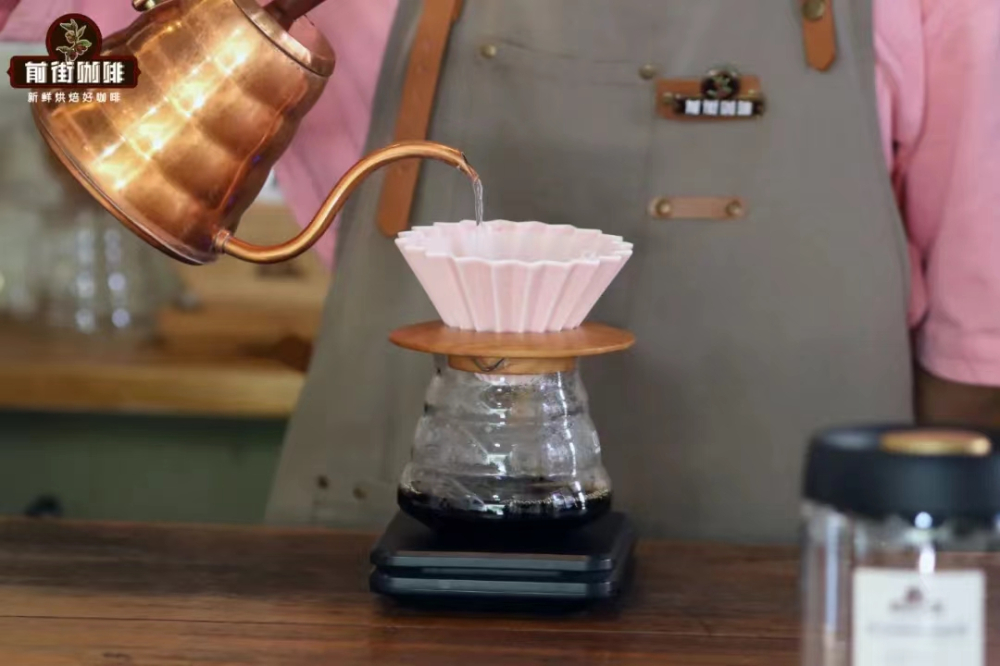
In contrast, the element of water is frequently overlooked simply because it’s so readily available. I once encountered a coffee enthusiast who was willing to invest in high-quality beans and beautifully designed pour over equipment, and who practiced brewing with great dedication—but paid little attention to the water used for brewing, relying long-term on filtered drinking water from a relatively expensive home filtration system. He mentioned that sometimes his coffee turned out great, but other times it was noticeably off, with chaotic flavors. At first, I suggested he consider whether the water was suitable for brewing and try switching water sources. Though skeptical, he went ahead and bought a bottle of Nongfu Spring to test, and was pleasantly surprised to find that his coffee’s performance improved dramatically.
Typically, the concentration of a standard pour over coffee is around 1.3%, which means the water proportion is as high as 98.7%—signaling that water quality has a decisive influence on the final coffee flavor. According to multiple authoritative studies, water containing an appropriate amount of calcium and magnesium ions can enhance both the mouthfeel and overall flavor expression of coffee. However, if the magnesium ion content is too high, it can easily make the coffee taste more bitter; conversely, if there’s too much calcium, it may render the coffee flavor muddled and astringent.
Currently, most professional coffee institutions recommend an ideal TDS (total dissolved solids) range for brewing water between 75 and 250 ppm. But it’s worth noting that TDS only reflects the total content of impurities in the water and doesn’t break down the specific proportions of various trace elements. In reality, aside from calcium and magnesium, water also contains multiple elements such as potassium, sodium, and strontium—all of which can subtly affect the final coffee outcome.
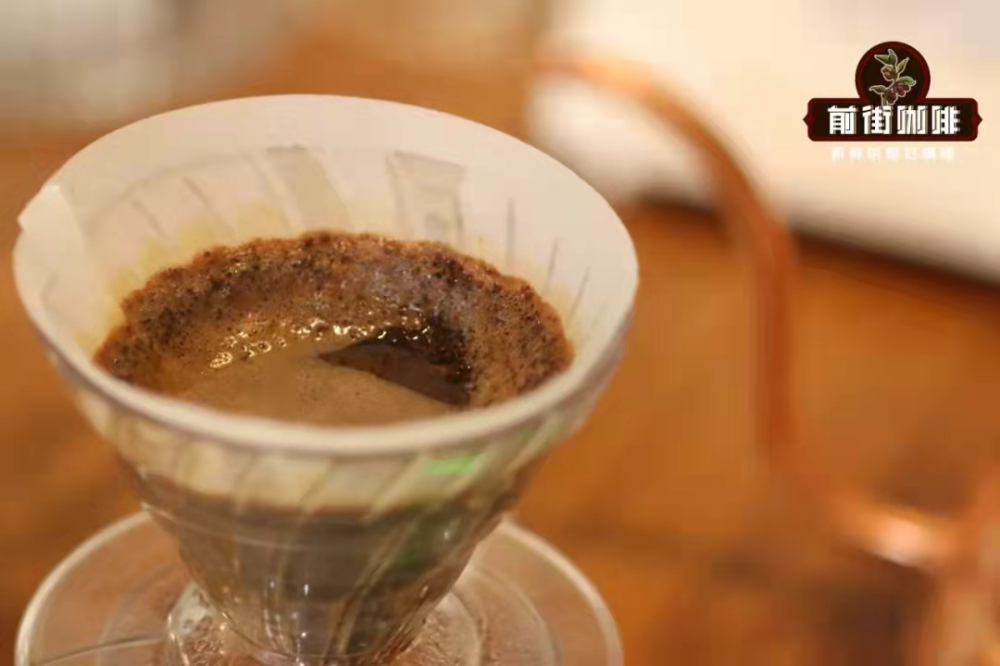
Of course, for everyday brewing, there’s no need to obsess over every minute detail of water quality. Simply understanding that water quality does indeed affect coffee flavor and mouthfeel is already an important step forward. As for whether you need to specifically change your water source, that should be judged based on your actual brewing results. If your coffee tastes fine without any obvious discomfort or off-flavors, then sticking with your current water is perfectly acceptable.
But if you find that no matter how you adjust your brewing parameters, negative flavors persist (such as off-tastes, astringency, or unbalanced mouthfeel), then the issue likely lies with either the coffee beans or the water quality. In this case, it’s advisable to follow a simple troubleshooting process: first, try brewing with coffee beans from a different origin to see if the same problems occur; next, switch to a widely available water source like Nongfu Spring, which is generally suitable for brewing, and observe whether the flavor improves. The reason for choosing Nongfu Spring is that its water properties are broadly aligned with brewing needs, it’s easy to purchase, and it’s affordably priced—making it a great option for enthusiasts on a budget who still want to elevate their coffee’s flavor.
The above content is compiled by CoffeeHunters, a coffee news website.


