







Introduction:Can a Yixing clay teapot be used for brewing coffee besides tea? This innovative method, showcased at the Xiamen Coffee Festival, combines traditional Chinese steaming techniques with low-temperature extraction principles. By leveraging the porous structure of Yixing clay and prolonged slow extraction, it brings out a rich and layered coffee flavor. This article details the process, explains the science behind it, and analyzes how the Yixing material influences the taste of coffee — a great reference for coffee enthusiasts looking to explore non-traditional brewing methods.
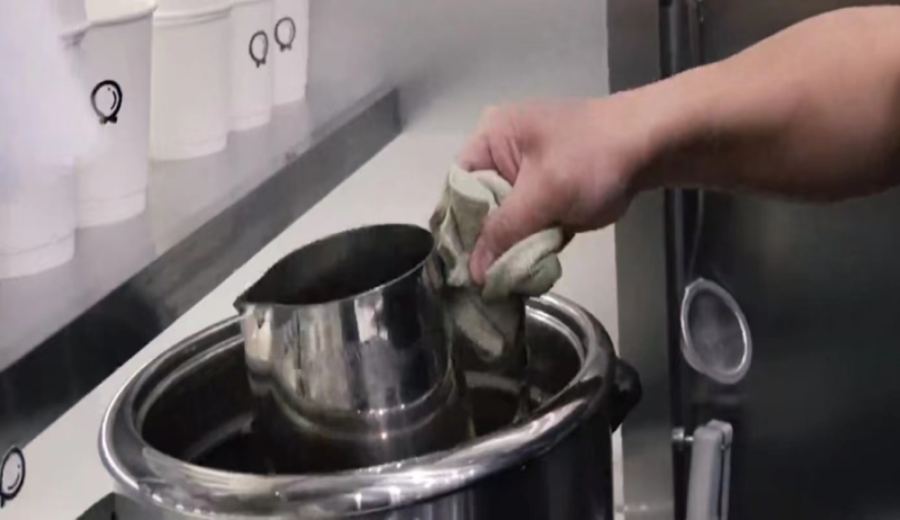
Following the buzz caused by a Shanghai café’s “water bath stewing” coffee extraction method, the innovation in Chinese-style coffee continues. At the Xiamen Coffee Festival, a vendor introduced a Minnan-style coffee preparation using a Yixing teapot to steam brew coffee, attracting many curious coffee lovers to give it a try. This approach involves placing coffee grounds ground for pour over into a small Yixing teapot with water at a specific ratio, then slow-steaming it in a steamer basket for a period of time. The final brew is filtered through paper and diluted with water to adjust concentration before drinking.
The principle is similar to that of water bath stewing, both utilizing a low-temperature environment for extended extraction. This helps reduce the release of bitter and astringent off-flavors, while the porous nature of the Yixing teapot also absorbs some compounds that may contribute to bitterness, resulting in a smoother coffee taste. This creative method once again demonstrates the potential of pottery in coffee extraction. From Japan’s Tokoname-yaki coffee pots to China’s Yixing teapots, the fusion of traditional craftsmanship with modern coffee culture continues to spark new ideas.
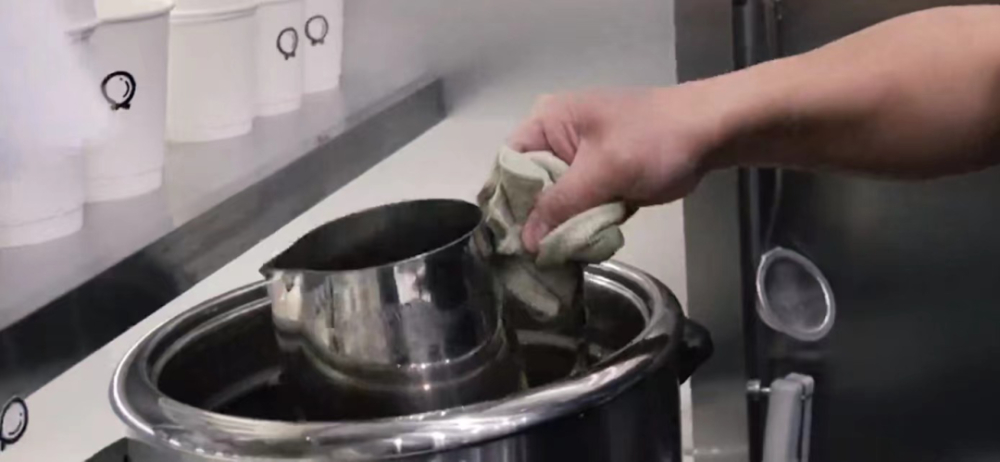
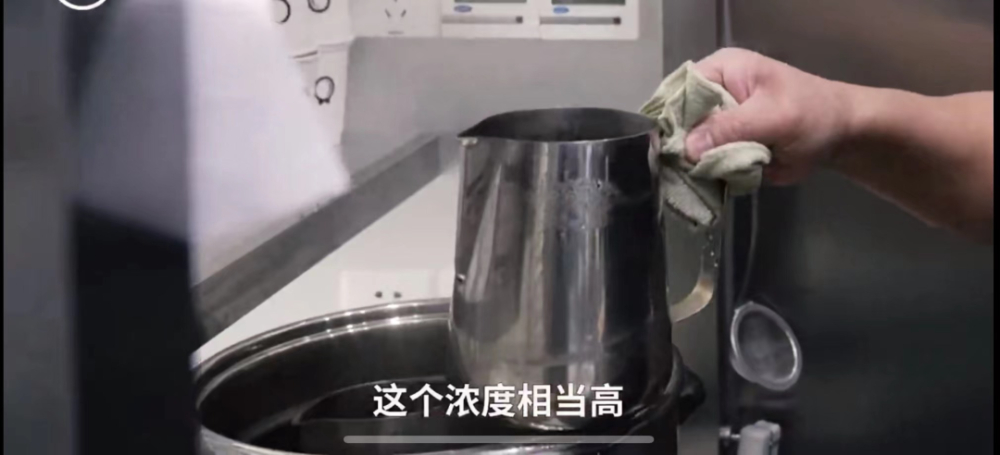
In terms of specific steps, it is generally recommended to use about 18 grams of coffee grounds ground for pour over, placed in a suitably sized small Yixing teapot. The coffee-to-water ratio is controlled at around 1:5, and depending on personal taste, flavoring ingredients such as ginseng, angelica, or bergamot can also be added. The Yixing teapot is then placed in a steamer basket and steamed over medium-high heat for about 30 to 40 minutes. Although the interior of the steamer basket gets quite hot, the temperature inside the Yixing teapot rises relatively slowly, and with the use of a smaller amount of water, the coffee liquid tends to reach saturation more easily. This makes it harder for off-flavors and bitterness from the later stages of extraction to be released. Finally, the coffee grounds are filtered out with paper, and water is added as needed to adjust the flavor and concentration.
This “Yixing-steamed coffee” method shares the same underlying concept as water bath stewing: using low-temperature slow extraction to preserve the rich characteristics of coffee while minimizing unpleasant bitter components. Additionally, the material properties of the Yixing teapot play an important role in this process. Its porous structure helps absorb some compounds that could lead to off-flavors, thereby reducing overall bitterness and enhancing the purity of the flavors.
Similar applications of pottery have been seen earlier in Japan, such as when a company under Amazon Japan launched a coffee brewing device resembling a teapot, made using the local millennium-old pottery technique called “Tokoname-yaki,” also referred to as Japanese Yixing. This technique uses iron-rich clay, is unglazed during firing, and is polished after firing to achieve a smooth, glossy surface. Because it lacks a glaze coating, the pottery retains its porous and water-absorbent properties, which can trap compounds in coffee that often cause off-flavors. Though the material differs from Chinese Yixing, it achieves a similar effect in reducing bitterness and preserving aroma.
Delving deeper into the sources of bitterness and astringency in coffee, they mainly come from two compounds: chlorogenic acid lactones and phenylindanes, both produced as chlorogenic acid breaks down during roasting. Generally, light to medium roasted coffee, which contains more chlorogenic acid lactones, tends to exhibit noticeable bitterness and astringency. As roasting time extends and roast level deepens, phenolic compounds gradually increase, and the higher the phenylindane content, the sharper and more persistent the bitterness becomes. The adsorptive properties of the Yixing teapot, combined with the low-temperature slow extraction method, can effectively reduce the negative impact of these compounds on flavor, resulting in a smoother and more layered coffee taste.
In summary, Yixing-steamed coffee is not only a novel experiment but also a blend of traditional Chinese culinary wisdom and modern coffee extraction science. This technique is not only suitable for coffee lovers keen on exploring new flavors but also offers the industry an innovative direction that breaks away from conventional frameworks. If you're interested in low-temperature slow extraction or non-traditional coffee brewing methods, why not try this unique combination of Yixing clay and steaming for yourself, and embark on a distinctive coffee flavor journey.
The above content is compiled by CoffeeHunters, a coffee news website.


