








Introduction:Dark roasted coffee beans such as Blue Mountain and Mandheling are supposed to showcase a rich, full-bodied, and smooth flavor profile, yet many pour over enthusiasts often find their brews turning out thin. This is actually closely related to factors such as filter choice, coffee-to-water ratio, brewing time, and pouring technique. This article will delve into these key parameters and offer practical pour over tips to help you easily extract the bold flavors and solid mouthfeel that dark roast beans should deliver.
Dark roasted coffee typically features a rich and full-bodied taste, along with low acidity, pronounced sweetness, and a long-lasting aftertaste. However, some pour over lovers often encounter issues with weak flavor when brewing dark roast beans like Blue Mountain and Mandheling. In fact, this is directly related to the type of filter used, the coffee-to-water ratio, overall brewing time, and the pouring method.

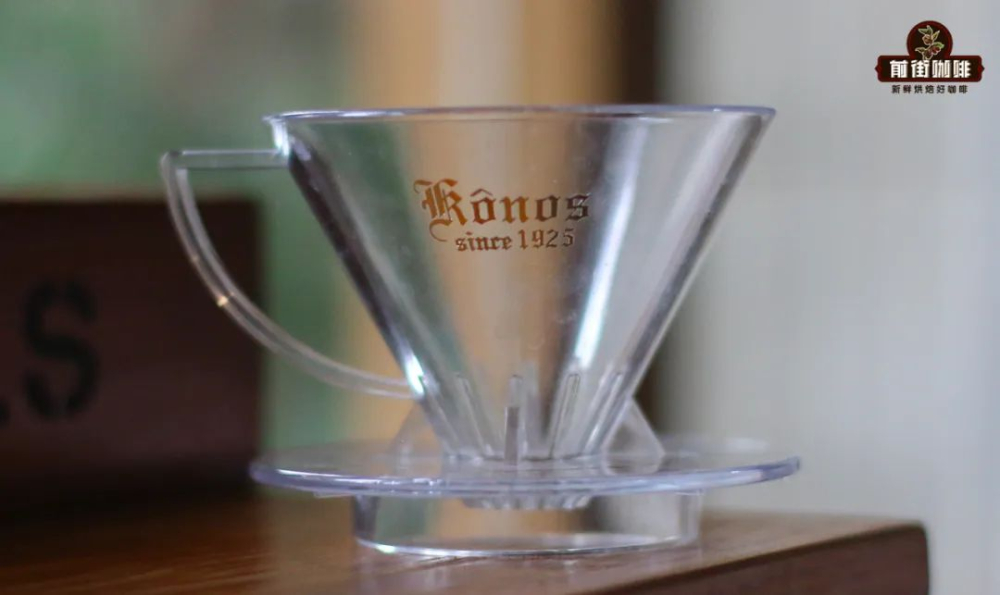
First, when it comes to choosing a filter, it’s recommended to prioritize those designed for immersion-style extraction, such as the Kono or Kalita Wave filters. The design of the Kono filter features flow-guiding ribs only on the lower half, a structure that effectively extends the contact time between water and coffee grounds, thereby improving extraction uniformity and enhancing the body of the brew. In contrast, filters like the V60, which emphasize high flow rate and strong extraction, can highlight delicate flavor layers but tend to lack in mouthfeel richness. If you often find your V60-brewed dark roast tasting weak, try switching to a Kono or Kalita filter and experience a different level of fullness.
Secondly, the coffee-to-water ratio is one of the key parameters that determine coffee strength and mouthfeel. For dark roasted coffee, it is recommended to keep the ratio within 1:13 to 1:15 . If the ratio is too low—such as exceeding 1:15—it can result in a watery taste, making the coffee feel diluted and lacking complexity. Conversely, a higher ratio, such as 1:13 or 1:14, can bring out a richer mouthfeel. Many professional pour over brewers recommend using a 1:15 ratiofor a well-balanced outcome that is both full-bodied and smooth. Of course, this ratio can be adjusted according to personal taste preferences, and fine-tuning based on actual experience is advised.

Brewing time is also a critical factor influencing coffee flavor. Generally speaking, the ideal brewing time for dark roast coffee is around two minutes. If the brewing time is too short—for example, less than 1 minute and 30 seconds—it is usually due to overly coarse grind size or too fast a pouring speed, causing the water to pass through the coffee bed too quickly and resulting in under-extraction, thus producing a thin taste. On the other hand, if the brewing time exceeds 2 minutes and 30 seconds, while it may enhance the body of the flavor, it can also easily lead to over-extraction, bringing out burnt bitterness and off-flavors. Therefore, maintaining a moderate brewing time is crucial for achieving a balanced aroma and mouthfeel in dark roast beans.
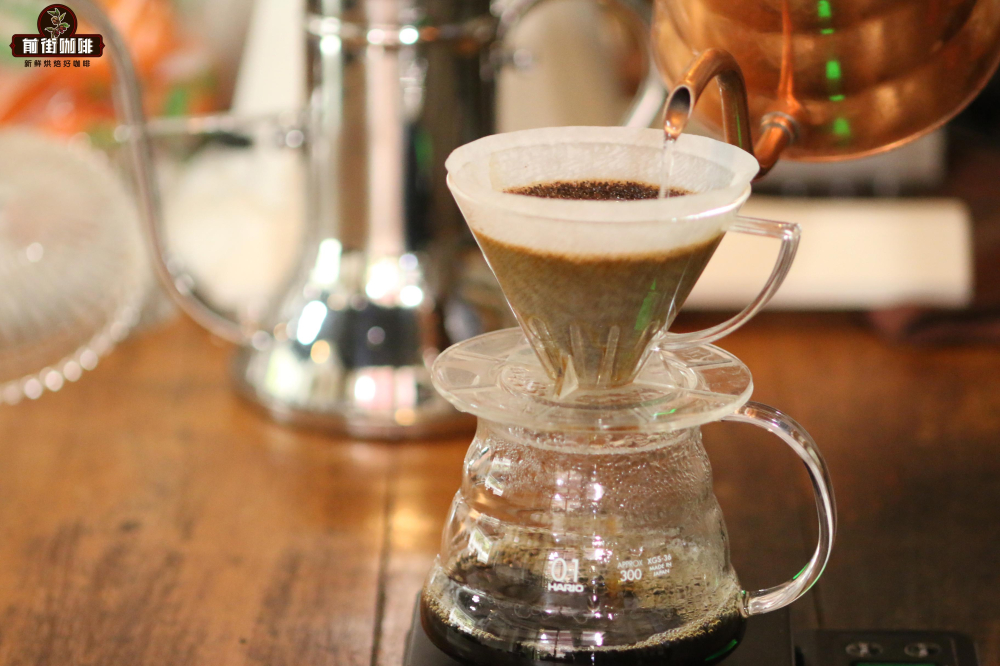
In terms of pouring technique, if you want a fuller-bodied pour over, it’s advisable to use a small circular pouring method. Compared to large circular pours, small circles concentrate extraction on the central area of the coffee bed, reducing over-extraction or unevenness at the edges, thereby enhancing the overall richness of the flavor. Additionally, it's important to control the water level during pouring—never let it exceed the “coffee wall” formed by the coffee grounds. Once you notice the water level approaching or surpassing the coffee wall but you haven’t yet reached your target pour volume, it’s recommended to pause pouring, let the water level drop slightly, and then continue. This helps avoid over-extraction at the edge of the filter and stabilizes the extraction rhythm, contributing to a more balanced and full-bodied cup.

In summary, to extract a rich and full-bodied flavor from dark roasted beans like Blue Mountain and Mandheling, adjustments and optimizations need to be made in four key areas: filter selection, coffee-to-water ratio, brewing time, and pouring technique. By choosing a filter suited for immersion extraction, pairing it with a reasonable coffee-to-water ratio and brewing time, and carefully controlling your pouring method, you’ll be able to fully bring out the bold aromas and solid textures that dark roast beans have to offer, enjoying a deeper and more satisfying coffee experience.
The above content is compiled by CoffeeHunters, a coffee news website.


