








Introduction:In espresso preparation, the choice of portafilter often determines extraction stability and the final flavor profile. This article provides an in-depth analysis of the differences between the mainstream "spouted portafilter" and the emerging "bottomless portafilter" in terms of design principles, extraction performance, and operational convenience, along with practical advice on selection and cleaning to help baristas and enthusiasts make the most suitable decision based on their actual needs.
When brewing espresso, many baristas focus on grind settings, dose, and pressure, yet often overlook that the choice of portafilter also plays a critical role. The commonly seen spouted portafilter features a closed bottom with two spouts designed to evenly distribute two shots of espresso; in contrast, the bottomless portafilter removes the closed base structure, allowing users to directly observe the extraction at the bottom of the basket, offering greater advantages in identifying channeling and crafting layered espresso. Apart from visual and operational differences, the two types of portafilters also exhibit notable distinctions in practical aspects such as flow rate, preheating strategies, and cleaning maintenance.
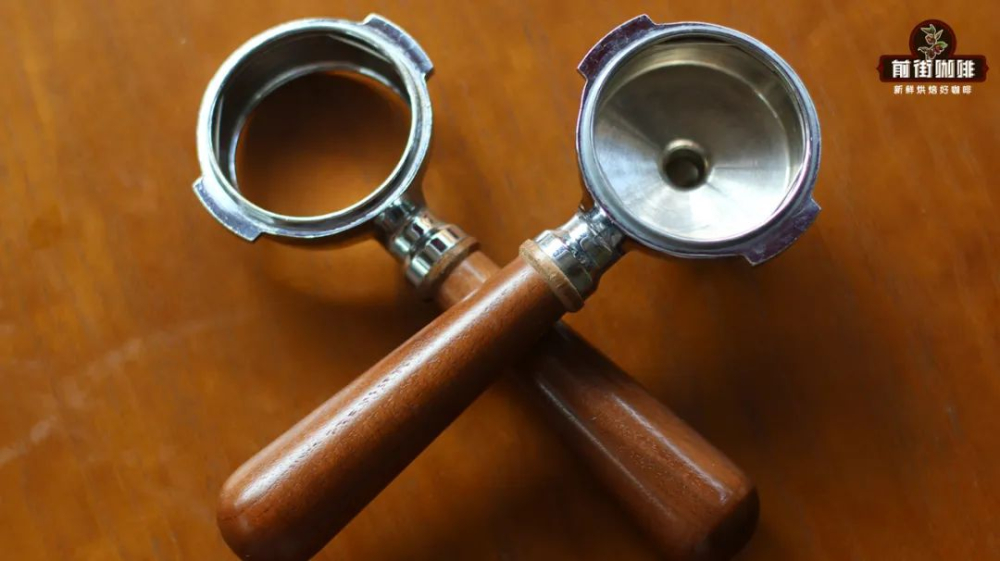
 In early espresso culture, what was referred to as a "single shot" meant a single serving of espresso extracted using a single basket. To serve two cups simultaneously, one would need to switch to a spouted portafilter equipped with a double basket. As café operation models evolved, many shops shifted to serving primarily double shots in a single cup, causing the traditional single-spout portafilter originally used for single servings to gradually fall out of the mainstream. In its place emerged an innovative design—the bottomless portafilter—characterized by the complete removal of the bottom barrier and reliance on only a ring-shaped structure to secure the basket, leaving the bottom fully open and providing an unprecedented visual observation angle.
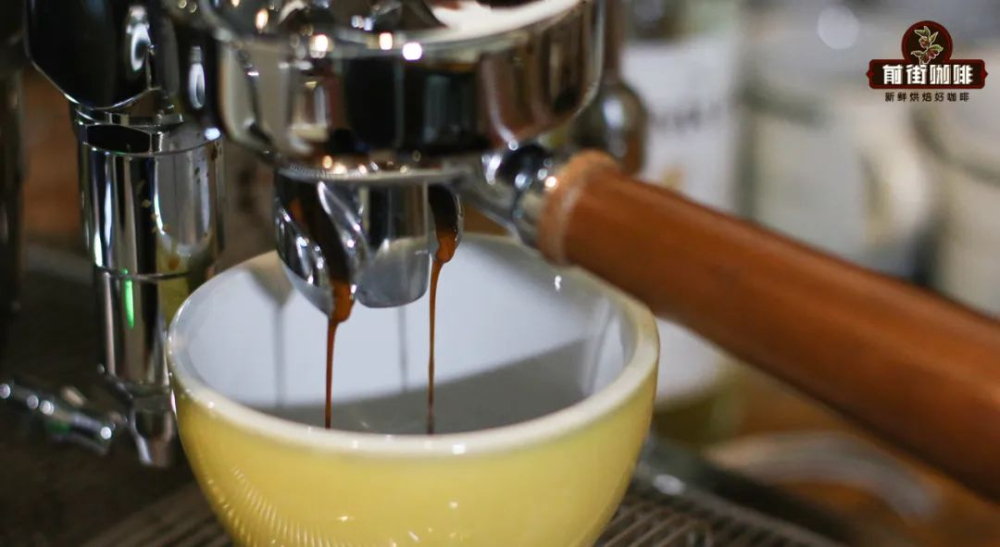 To this day, many traditional espresso machines still come factory-equipped with only two spouted portafilters with spouts. Switching to a bottomless portafilter often requires additional purchases or upgrades of accessories. Therefore, the spouted portafilter remains the primary tool for daily extraction in most cafés. However, some operators have also independently procured bottomless portafilters, and skilled baristas have even modified single-spout portafilters by cutting off the bottom to create a bottomless version, flexibly adapting to different extraction needs.
Starting with the basic design, the bottom of the spouted portafilter is a closed structure with two spouts, whose primary function is to evenly divide the extracted espresso into two separate streams. This diversion mechanism ensures more consistent crema ratio and flavor profile per cup compared to simply pouring half a cup directly.
As for why the bottomless portafilter has gained popularity, the key lies in the removal of the closed bottom design, enabling users to clearly observe the entire extraction process through a transparent basket or by direct sight. Such a design helps promptly identify issues like channeling—for example, when water concentrates and flows through a specific area, a noticeable jetting phenomenon will appear at the bottom of the basket. With a bottomless portafilter, this can be quickly noticed and adjusted, whereas the structural limitations of the spouted portafilter make it difficult to observe such details.
 Additionally, when crafting drinks that emphasize layering effects, such as Dirty (dirty coffee), the bottomless portafilter holds a clear advantage. Due to limited space between the brew head and the drip tray in some espresso machines, using a spouted portafilter may not accommodate a cup as tall as 7 cm, whereas switching to a bottomless portafilter can free up about 3 to 4 cm of vertical space, helping achieve a more aesthetically pleasing layered effect.
However, if extracting directly into a cup, the spouted portafilter is actually more practical. This is because coffee liquid falling from a height into a cup can easily splash due to the height difference, and the spouted portafilter can guide the coffee to flow slowly down the cup wall by placing the spouts close to the cup, reducing splashing. In contrast, the bottomless portafilter makes it harder to control the direction of the liquid flow steadily, and any slight mishandling may result in coffee splashes staining the cup walls.
Although there is no significant difference in the essence of the coffee extracted by the two types of portafilters, there are still several noteworthy differences in practical operation:
First, the difference in flow time
Some baristas use the time when coffee begins to flow out as a basis for judging the extraction progress. In practice, when using a spouted portafilter, the coffee usually flows out about 1 to 2 seconds slower than with a bottomless portafilter, because the liquid must first pass through the internal diverter before reaching the spouts. If you frequently alternate between the two types of portafilters, this time difference needs special attention to avoid misjudging the extraction time.
Second, the preheating requirements of the portafilter
In past discussions about portafilter preheating, the focus has mostly been on the spouted portafilter, as it includes not only the basket but also the diverter through which the coffee flows. The basket itself is made of relatively thin material and can heat up quickly upon contact with hot water, without requiring prolonged contact with the brew head to maintain temperature. However, the diverter is made of thicker material and is farther from the heat source, resulting in slower heating. As a result, some operators have developed the habit of keeping the portafilter locked onto the brew head for extended periods to preheat it. The recommended approach is to avoid prolonged preheating unless necessary. If preheating is indeed required, locking the portafilter onto the brew head and injecting hot water shortly before extraction to quickly raise the temperature is sufficient (remember to dry any moisture beforehand when using a spouted portafilter).
Third, cleaning and maintenance
In terms of cleaning convenience, the bottomless portafilter clearly has the upper hand. With its open bottom, residual coffee stains after extraction can be directly rinsed with water, and most cleaning tasks can be completed without disassembling the basket. In contrast, after daily use, the spouted portafilter requires the basket to be disassembled to clean the internal diverter. Otherwise, coffee oils can accumulate over time, not only affecting flavor but even potentially producing off-odors. There has been a case where a novice barista at a café didn’t realize the basket could be disassembled until three months later, when they discovered a thick layer of brown-black oily residue inside, emitting a foul smell.

The above content is compiled by CoffeeHunters, a coffee news website.


