







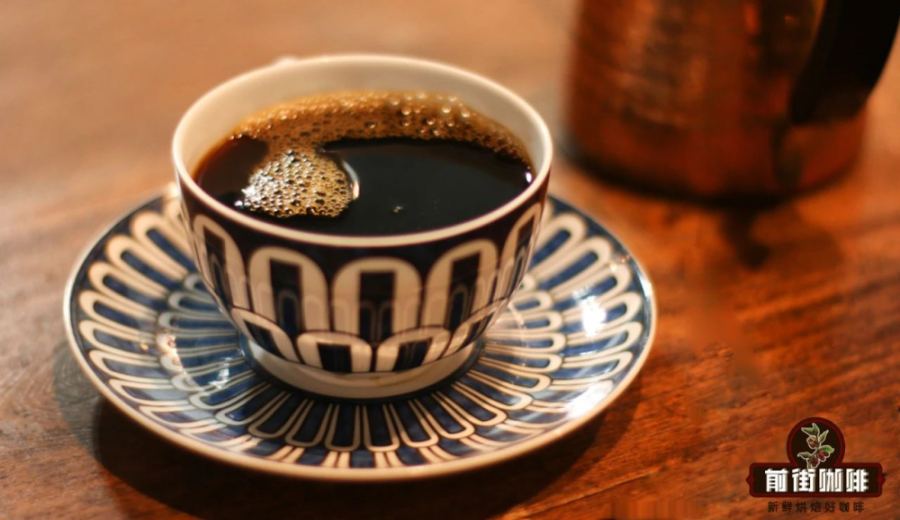
Introduction:Many coffee beginners, upon seeing an oily sheen on coffee beans, often worry whether the beans have gone bad or been stored for too long. In fact, bean oiling is primarily related to roast level and does not necessarily indicate staleness. Moreover, moisture damage in coffee beans is not easily noticeable from the outside but can significantly affect brewing performance. This article delves into the causes of oiling in dark roasted beans, how roast levels influence oiling, and how to determine whether beans are damp through appearance and brewing response. It also offers practical storage tips to help you better gauge the condition of your beans and improve your pour over quality.
Many coffee enthusiasts who are new to the scene often find themselves puzzled by the oily appearance on coffee beans: “Has it been stored too long?” or “Does oiling mean the beans have gone bad?” These concerns actually stem from a lack of understanding about the roasting and storage processes. In reality, the “oil” on the surface of coffee beans is not external dirt or foreign matter, but rather the natural fats contained within the beans that gradually surface during roasting as gases are released.
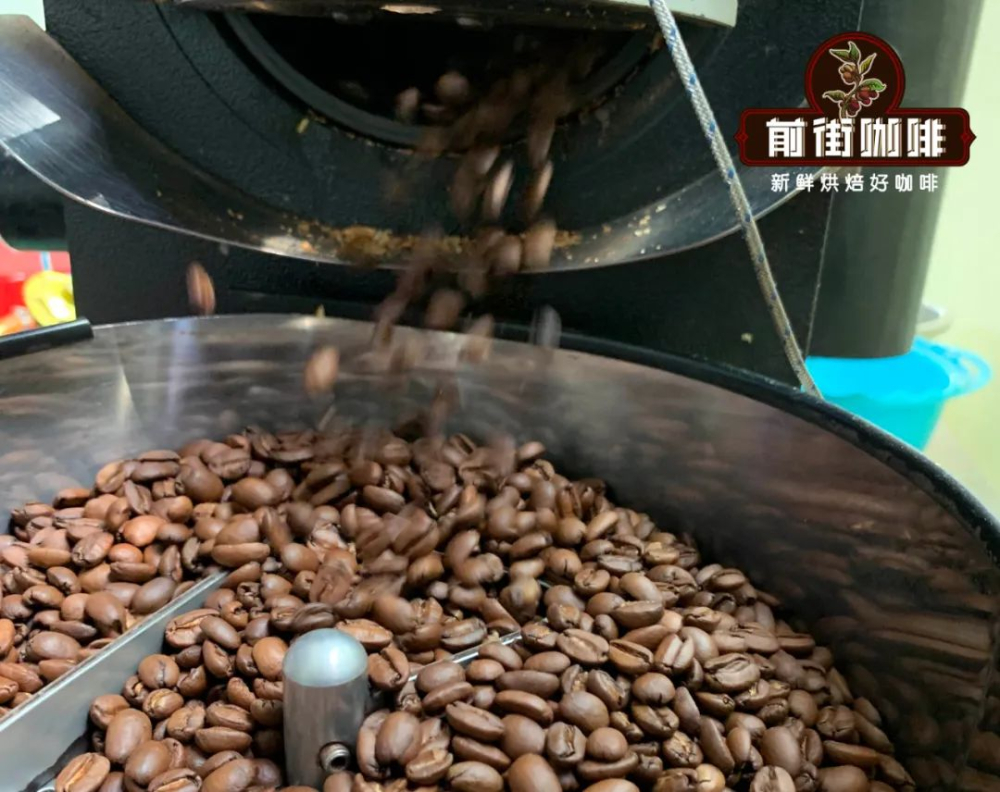
At the green bean stage, these fats are tightly enclosed within the fibrous structure and do not appear on the surface. However, after high-temperature roasting, the bean structure expands, and internal carbon dioxide and volatile compounds begin to be released, carrying some of the oils to the bean’s exterior. The deeper the roast, especially around and after the second crack, the more pronounced this phenomenon becomes. Therefore,Oiling is closely related to roast leveland should not be simply regarded as a sign of staleness.
Generally speaking, oiling is more commonly seen in dark roasted or very dark roasted beans. Take Indonesian Yellow Gold Mandheling, which is medium to dark roasted, as an example: after proper resting for 3 to 5 days, a thin layer of oil may begin to appear on the bean surface, which is actually normal. Some beans may show slight pinpoint oil droplets around days 5 to 7 post-roast, usually due to uneven heating causing localized moisture evaporation. Such oil spots might even indicate that the coffee is at the peak of its flavor.
From this, we can see that oiling is just one reference point for assessing roast depth and cannot be directly used to determine whether the beans are expired or spoiled. For instance, so-called “Japanese-style dark roast coffee” sometimes shows oily surfaces immediately after roasting—even before the bag is opened—due to the extremely dark roast, taking on a deep, shiny black appearance in a short time. This is all due to roast characteristics, not a quality defect.
In contrast, moisture damage in coffee beans is much harder to identify at a glance. Many people assume that “looking damp” means the beans are damp, but in reality, even if roasted beans absorb excess moisture, their exterior often remains dry. Judgment must be made based on brewing performance or tactile feel. Fresh coffee beans typically contain only about 1% to 2% moisture. Once stored in a humid environment, they readily absorb moisture from the air, increasing their water content and thereby affecting flavor and even encouraging mold growth.
Common signs of moisture-damaged coffee beans include: grinding difficulties such as clogging or uneven flow, clumping of coffee grounds and loss of fluffiness; during brewing, there may be a noticeable lack of aroma or even unfamiliar musty or off odors. These are all warning signs that moisture has altered the beans’ internal quality.
To assess whether coffee beans still retain good freshness, in addition to visual observation, it's more crucial to evaluate based on reactions during extraction. For example, during the blooming phase before pour over, if the coffee bed shows almost no expansion, it usually indicates that most of the carbon dioxide inside the beans has dissipated—a clear sign of reduced freshness. Additionally, if brewing yields a lack of expected aroma, a thin body, or even woody or cardboard-like off-flavors, it suggests that the beans may have passed their optimal flavor window.
Fresh coffee beans are usually packaged in bags with one-way degassing valves, which allow naturally released carbon dioxide to escape while blocking external oxygen and moisture, effectively slowing down flavor loss. However, once the bag is opened, the beans are directly exposed to oxygen and moisture in the air, and when oils come into contact with these elements, oxidation occurs, further accelerating the aging process.
To maintain coffee beans in their best condition, the storage environment is crucial. Ideal storage conditions include: whole beans (not ground), airtight storage, protection from light, moisture, and a cool environment. Although these measures can effectively slow flavor degradation,the flavor of coffee beans will still naturally decline over time. Therefore, it is recommended to consume the beans within their optimal flavor window after roasting to enjoy the fullest and most vibrant flavor profile.
The above content is compiled by CoffeeHunters, a coffee news website.


