







Introduction:Starbucks has introduced a new feature in its North American stores that allows customers to choose whether to tip baristas when paying by card. While aimed at increasing staff income, this initiative has led to awkwardness on both sides. This article delves into the operation process of the new system, real feedback from employees and customers, and reviews the evolution of Starbucks’ digital tipping function since 2014, helping readers understand the role and controversy of tipping culture in coffee consumption.
Recently, Starbucks launched a new feature in the North American market where customers can opt to give baristas a tip via credit or debit card at the payment screen. The options include $1, $2, “Other amount,” or “No tip.” However, what seems like a convenient change has sparked considerable controversy in practice.
According to multiple media reports, after customers complete a card transaction, the payment terminal screen automatically displays the tipping options. Many baristas have reported that asking customers for tips in person makes both parties extremely uncomfortable. Especially when customers choose “No tip” in front of the staff, it often creates psychological pressure, while employees also feel awkward waiting passively for tips.
On social platforms, many users have shared their experiences. Some admitted they had never tipped at Starbucks before but now feel guilty if they choose not to tip when prompted by the machine. Others argue that tipping should be voluntary, and if they choose not to tip, they shouldn’t feel pressured—staff are just following the procedure.
Regarding this new policy, Starbucks explained in a previous statement that the feature was piloted in some U.S. stores starting September 2022 and was expected to be rolled out to all eligible locations by the end of that year. Starbucks stated that the move is intended to allow customers to show appreciation for baristas across various payment scenarios and emphasized the hope that this enhanced feature would strengthen the connection between customers and staff.
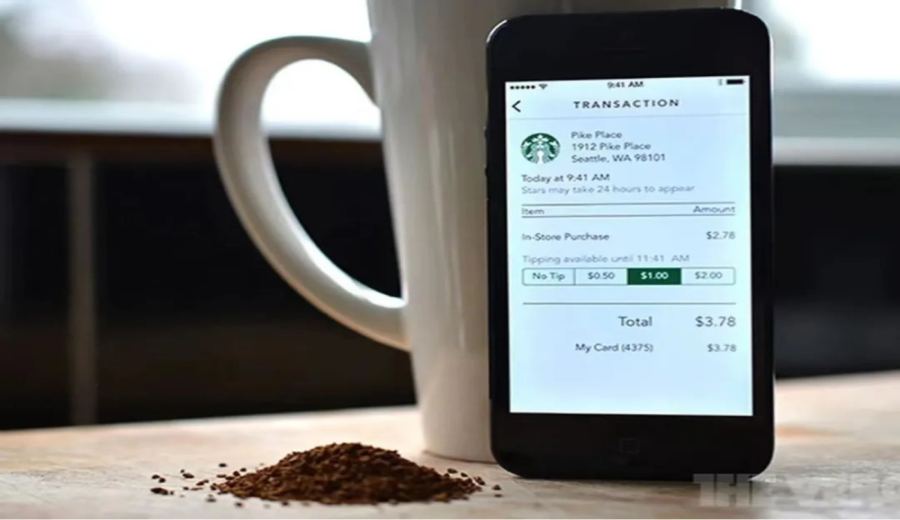
In fact, this is not Starbucks’ first attempt at digitizing the tipping mechanism. As early as 2014, the brand added an electronic tipping function to its mobile app, allowing customers to choose to tip $0.50, $1, or $2 after placing and paying for an order via the app, with a digital receipt generated. At that time, a so-called “shake to pay” feature was also introduced, where users could quickly bring up their linked Starbucks membership card barcode by shaking their phone to complete a transaction.
Notably, the current digital tipping function is mainly available at about 7,000 Starbucks company-operated stores in the U.S., while most franchise stores still maintain the traditional cash tipping model. This has led to inconsistencies in tipping mechanisms across different stores, further confusing customers.
From a practical standpoint, when customers pay by card, the system usually automatically displays the tipping menu after the transaction is completed, clearly listing suggested amounts and a “No tip” option. If “Other amount” is selected, the desired tip amount must be entered manually. Although the process is designed to be simple, it is still difficult to avoid awkward feelings in face-to-face human interactions.
Industry observers note that Starbucks may have introduced this feature with the intention of supplementing employee income through tips without directly raising base salaries. However, employees generally believe that if the company truly wants to improve treatment, it should adjust the salary structure at the institutional level rather than relying on customers’ voluntary tipping behavior. This view has also resonated with many consumers, who believe companies should take more direct responsibility.
Overall, Starbucks’ new card-based tipping system in North America, while well-intentioned, faces challenges in practical implementation and cultural adaptation. When faced with tipping options, consumers can make choices based on their own willingness and the context of the transaction, but should also understand the service industry realities and labor issues reflected behind them.
The above content is compiled by CoffeeHunters, a coffee news website.


