







Introduction:Want to make your light-roast single-origin espresso (SOE) more palatable and flavorful? Many people only taste sharp acidity and thin body after extraction, but the key lies in understanding the characteristics of light-roast beans and adjusting extraction parameters based on different purposes. This article will guide you from fundamental principles to the key points of extracting light-roast SOE, offering both general formulas and practical steps for fine-tuning based on use—whether you’re drinking it straight, adding milk, or making an Americano—so you can extract a balanced and layered cup every time.
It’s common to hear complaints that light-roast single-origin espresso (SOE) tastes either too sour or too thin, or even has a short finish that fails to retain its flavors. In truth, the issue is usually not with the beans themselves, but rather with extraction methods that don’t align with the roast level. This article will start by analyzing the flavor profile of light-roast SOE, clarify common extraction mistakes, and provide a practical strategy beginning with basic parameters and then fine-tuning based on actual drinking preferences. Whether you prefer drinking it straight, with milk, or as an Americano, you’ll find a suitable adjustment direction.
Many readers have previously asked how to extract light-to-medium roast SOE without making mistakes. Directly using the extraction parameters typically used for medium-to-dark roasts often doesn’t yield the desired flavors. The essence of extraction is how to effectively bring out the desirable positive flavors of the beans while suppressing undesirable off-flavors. Since light roasts have shorter development times and pronounced acidity, using techniques suited for dark roasts can easily amplify their flaws.
So, are light-roast SOEs destined to be sour and astringent? Not at all. Light-roast espresso naturally has higher acidity, which is determined by the roast level. Furthermore, most commercial espresso extraction parameters still lean toward settings for medium-to-dark roasts, without specific adjustments for light roasts, leading to common issues of over-extraction or under-extraction. The key is to adjust your approach based on the beans’ characteristics to bring out their delicate fruity notes and sweetness.
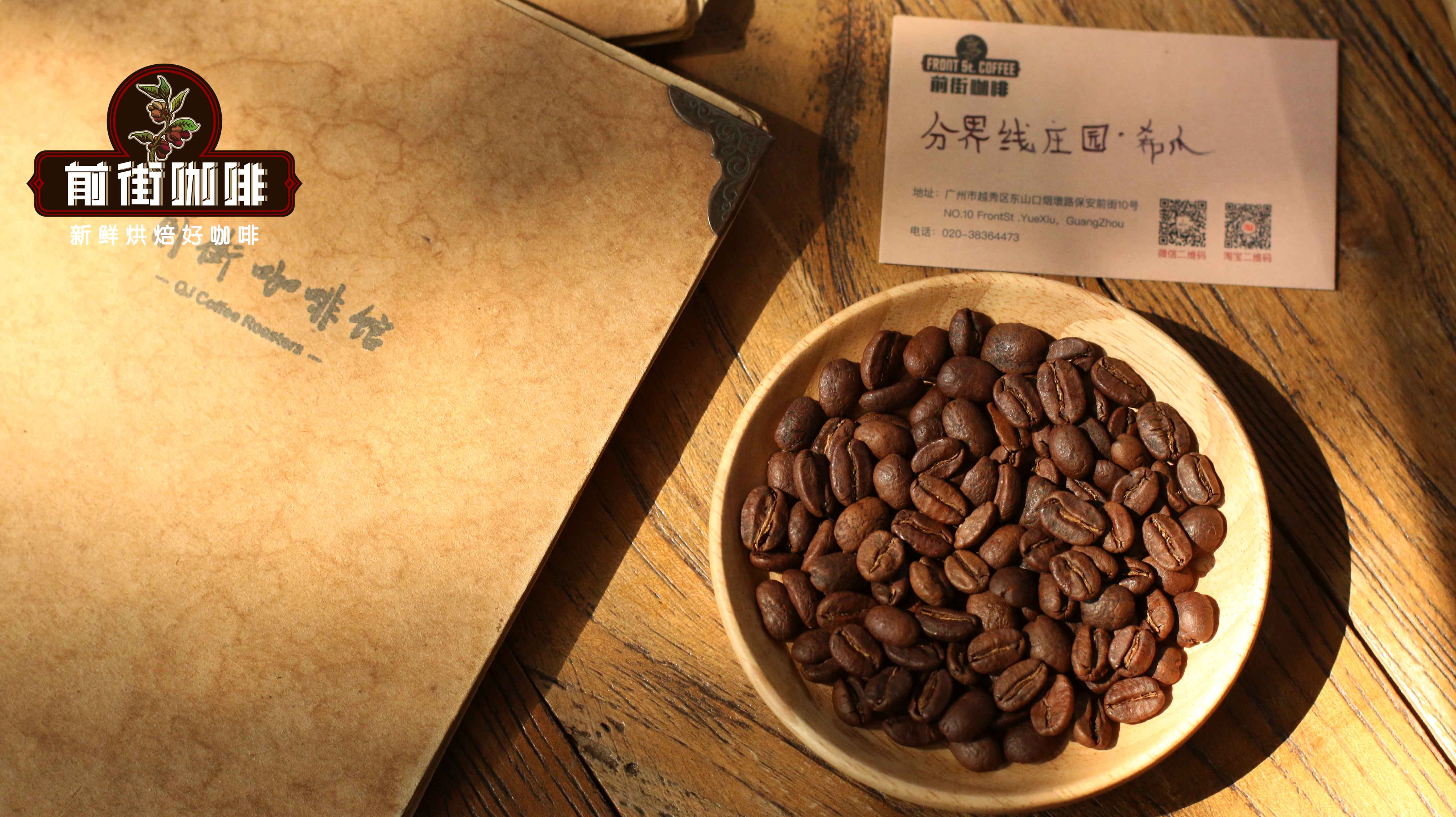
For those just starting with SOEs, it’s recommended to begin with medium-light roasted single-origin beans that have clear fruitiness and distinct flavor layers. If you prefer a bright, acidic-sweet profile, consider sundried beans from African regions; if you like beans with rich floral and citrus notes, choose products with prominent floral-fruit characteristics; for those wanting to experience intense dried fruit sweetness, beans with flavors like raisins and dates are a good choice; and if you’re seeking tropical fruit notes like mango or pineapple, opt for bright-acid varieties from Central and South America.
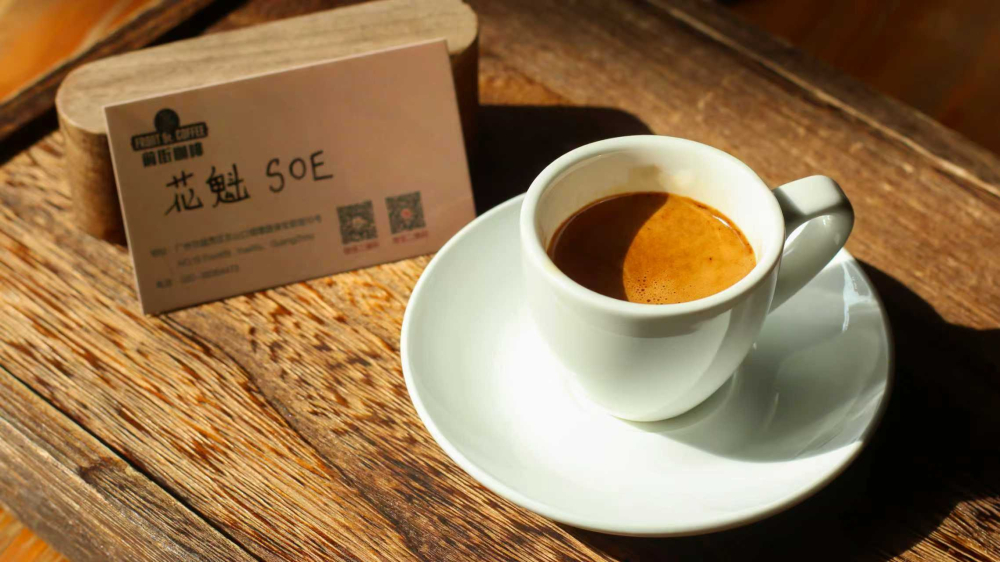
Before making adjustments, ask yourself: what is the final purpose of this shot of espresso? Is it for drinking straight, diluting into an Americano, or adding milk to make a latte or cappuccino? This step is crucial because different uses have completely different flavor requirements. When drinking straight, we want the espresso to have a soft mouthfeel and clear layers; for an Americano, it needs to retain a sufficiently full flavor structure; when adding milk, a higher concentration and extraction rate ensure the coffee flavor remains distinct even within the milk.
Beginners are advised to start with standardized “starter” parameters: a brew ratio of 1:2, with total extraction time controlled between 25 and 30 seconds. This set of parameters helps you quickly identify a reasonable grind size range—even if you need further fine-tuning later, it won’t stray far from the optimal extraction window. Note that if you’ve primarily used medium-to-dark roast beans, switching to light-roast SOE usually requires a finer grinder setting. For example, some medium-to-dark blends might use a 2.1 setting, whereas for light-roast SOE under the same dose and time, you may need to adjust to 1.6 or even finer. Additionally, because light-roast beans are less dense, the same weight will have a smaller volume, so it’s advisable to adjust the total dose slightly according to the capacity of your portafilter basket.
After completing your first extraction using the above basic formula, if the flavor isn’t as expected, you can make targeted adjustments based on your actual experience. A common first type of issue is overly sharp acidity and a short finish, resulting in an overall unrounded mouthfeel. Start by observing the flow rate and noting the time when the first drop of coffee appears. If the first drop appears at 4–5 seconds, the flow rate is slow, and you might consider grinding finer; if the first drop appears at 7–8 seconds, the flow rate is roughly normal and no further adjustment is needed.
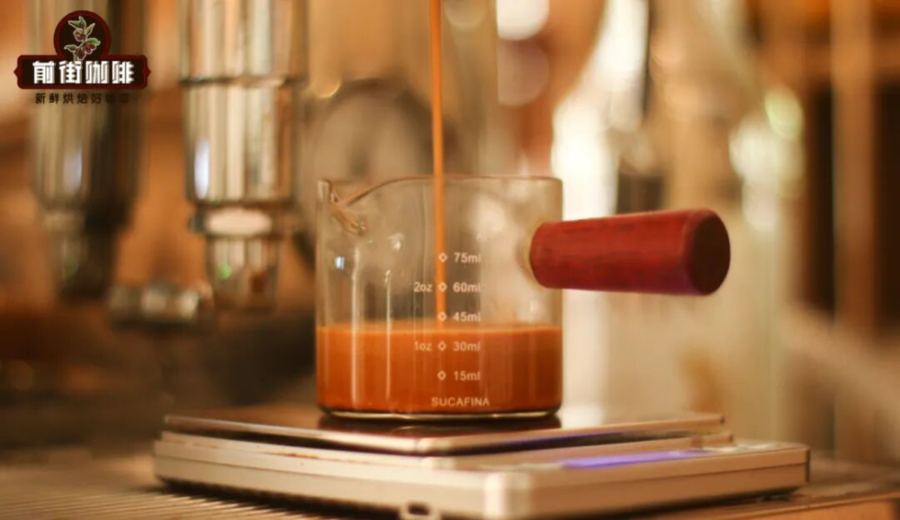
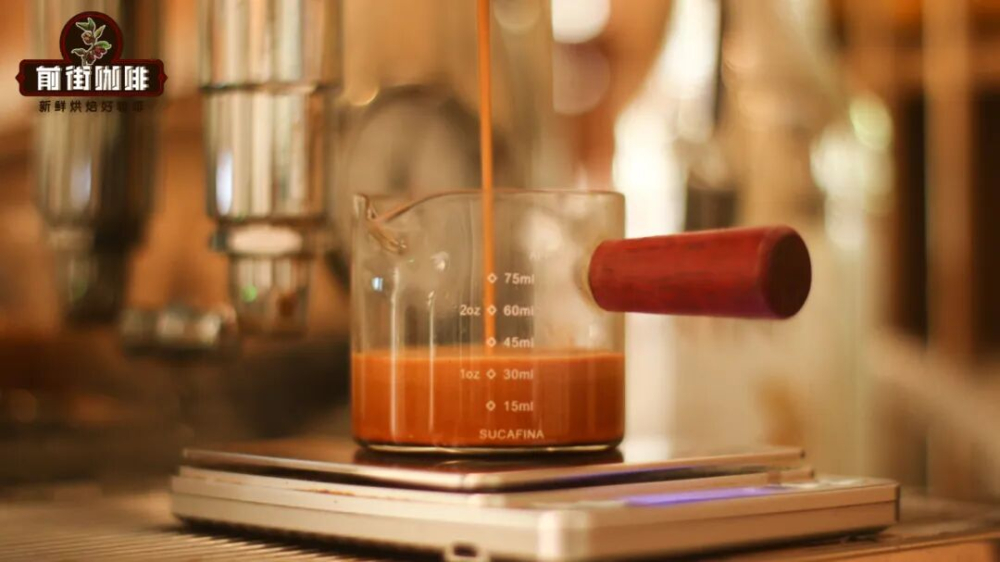
Next, you can try increasing the total liquid yield, generally recommended to add an extra 10–15 grams. The goal is to improve extraction yield, reduce sharp acidity, enhance sweetness, and achieve a more balanced overall taste. Of course, this slightly dilutes the concentration of the espresso, so it’s more suitable for straight drinking or making Americanos. For example, some light-roast beans that yield 55 grams of liquid from 20.6 grams of coffee in about 34 seconds can showcase a soft berry sweetness; when used for Americanos, the acidity becomes more robust and layered, with notes of plum and tomato.
If your goal is to make a milk-based coffee, it’s recommended to grind finer to increase extraction yield and compensate for the light roast’s tendency to underperform in milk. At this point, don’t be bound by a fixed time—even if the extraction exceeds 30 seconds, as long as the final coffee flavor is full and harmonizes well with the milk, it’s an appropriate adjustment. This approach is especially effective for addressing the common issue of weak coffee flavor in SOE milk drinks; however, if acidity or astringency appears, it can still be corrected by extending extraction time and increasing liquid yield.
Another common issue is when the extracted coffee has grassy, woody off-notes, or obvious burnt bitterness. In this case, it’s suggested to divide the extraction into three segments—for example, if the target yield is 40 grams, take roughly 13 grams each from the beginning, middle, and end, and taste them separately to determine where the problem lies. If only the last segment has off-flavors, it indicates over-extraction, and you should reduce the liquid yield; if the issue occurs in all three segments, the grind size may be incorrect and needs readjustment.
Finally, if you find the espresso tasting too light and lacking flavor, this is usually related to the grind size. Many people mistakenly believe one grind setting works for all beans, but in reality, each bean—especially those of different roast levels—requires significantly different grind coarseness. Light-roast SOEs, due to differences in density and particle structure compared to dark roasts, may result in under-extraction if you apply old settings directly, leading to a thin and flavorless cup. In such cases, it’s recommended to fine-tune the grind size again to find the optimal balance point for that particular SOE.
The above content is compiled by CoffeeHunters, a coffee news website.


