







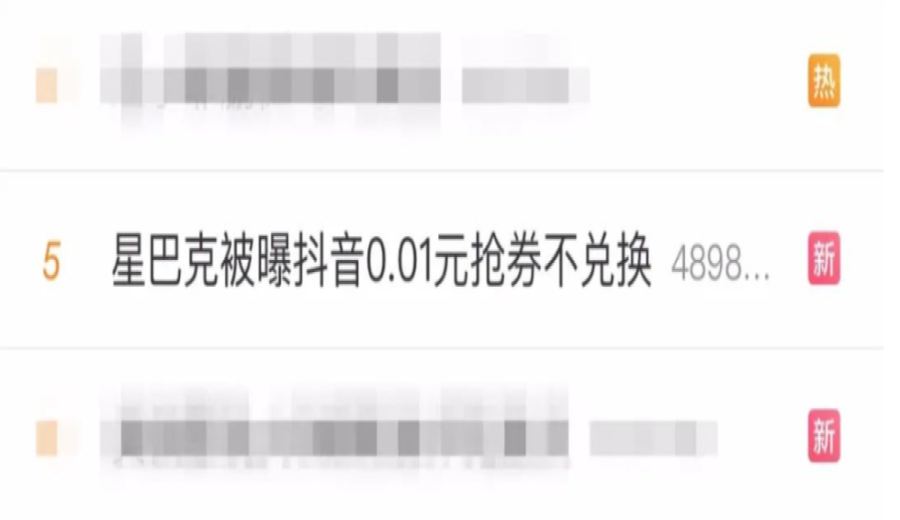
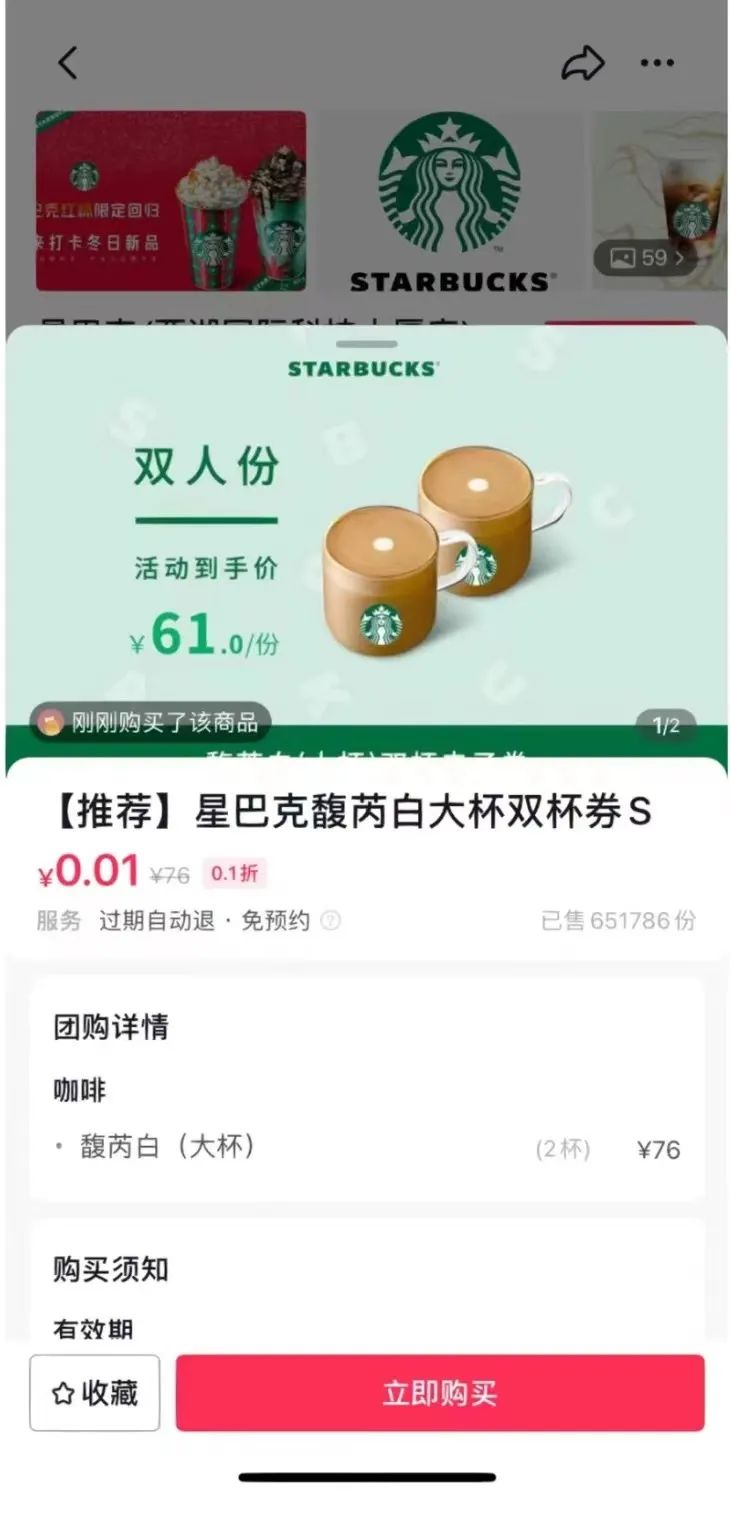
Introduction:Starbucks recently launched a promotion on the Douyin platform offering two Flat Whites for just 0.01 RMB, attracting a large number of consumers to scramble for the deal. However, many users reported being unable to redeem the vouchers, with the system automatically issuing refunds. Starbucks responded that an internal test link had been mistakenly activated, sparking dissatisfaction among netizens. This article provides a detailed overview of the incident, reactions from all parties involved, and explores consumer rights and brand marketing strategies to help you understand the full picture of the event and possible avenues for recourse.
Starbucks has once again become the focus of public attention, this time due to an ultra-low-price promotion on the Douyin platform. On the morning of November 23, Starbucks launched a deal allowing customers to purchase two Flat White vouchers for just 0.01 RMB, drawing in numerous shoppers. However, by the afternoon of the same day, many users who had managed to secure the vouchers found they were unable to complete the redemption, with the system automatically initiating refunds expected to be processed within 1 to 3 business days. According to media reports, approximately 900,000 orders had been placed before the promotion was taken down.
The incident quickly sparked widespread discussion on social media platforms, with the hashtag #StarbucksExposedForNotHonoring0.01YuanVouchersOnDouyin even trending on Weibo for a time. Many netizens expressed dissatisfaction with Starbucks’ actions, arguing that the brand should not make consumers bear the consequences of its internal errors. One commenter pointed out, “Some people have already enjoyed their drinks, and it was your own livestreamer who urged everyone to place orders quickly,” questioning whether there had been unfair practices. Others went further, expressing outright disappointment with the brand and claiming that competitors like Luckin Coffee were more generous.
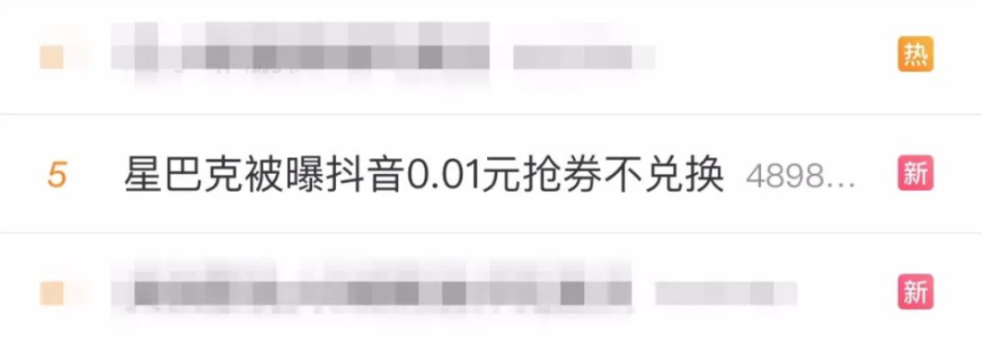
Faced with mounting public pressure, Starbucks China issued an apology statement that evening and pinned it to the top of its announcements. The statement explained that the issue arose from the “erroneous activation of an internal test link” and emphasized that system settings had been corrected, an automatic refund process initiated, and affected users notified via SMS. However, this response did little to appease consumers, many of whom felt that even if it was an internal test, the fact that some users had successfully redeemed their vouchers meant the brand should treat all customers equally, rather than simply issuing refunds.
Legal experts have also weighed in on the matter. Fan Chen, a lawyer from Beijing Jing Shi Law Firm, pointed out that according to China’s Civil Code and Consumer Rights Protection Law, the act of paying 0.01 RMB constitutes a purchase contract. By unilaterally canceling the promotion and failing to honor the redemption promise, Starbucks may be in breach of contract. He further stressed that such actions could damage the long-term trust the brand has built, advising Starbucks to face the issue squarely, fulfill its promises, and safeguard its corporate image and consumer relationships.
This incident comes at a time when Starbucks is accelerating adjustments to its marketing strategy and expanding its footprint in the Chinese market. Data shows that as of the end of September 2023, Starbucks had 6,021 stores in China, a 12% increase compared to the 2021 fiscal year. In addition to continuous store expansion, Starbucks has frequently rolled out various promotional activities, including distributing discount coupons, “buy one get one free” deals, and even offering benefits like free delivery and “spend 50 get 6 yuan off” coupons through its app, mini-programs, Meituan, and Ele.me. During the Double 11 shopping festival, Starbucks also introduced popular promotions such as the “Grande Stock-Up Card” and “Choose Any 10 Coffees for Just 240 RMB,” with related money-saving guides widely circulating on social platforms.
Beyond promotional campaigns, Starbucks has also continued innovating its product offerings in the Chinese market. In June of this year, the brand launched a new line of iced coffees called “Iced Shaken Espresso,” strengthening its presence in the cold beverage segment. In July, some Reserve stores debuted 11 new whiskey-barrel-aged coffee products at once, generating significant buzz. Then in October, the brand spotlighted the Brulé Mocha and launched a fall-limited series to keep enticing consumers to try something new. In the fiercely competitive coffee market, facing pressure from both local and international brands, how Starbucks balances marketing initiatives, consumer expectations, and brand credibility will be a key challenge for its future development.
The 0.01 RMB coffee voucher controversy has not only led consumers to re-examine the authenticity of brand promotions but also provided the industry with an important case study on marketing risk management and consumer communication. For consumers, when encountering similar promotions, it is advisable to carefully read the terms and conditions and retain transaction and communication records to serve as evidence in case of disputes or rights violations.
The above content is compiled by CoffeeHunters, a coffee news website.


