







Introduction:In recent years, new-style tea beverage brands have been crossing over into the coffee sector one after another. From Cha Yan Yue Se creating an independent coffee brand, to HEYTEA investing in specialty coffee chains, and even Mixue Ice Cream & Tea expanding its presence through “Lucky Cup,” the overall competitive landscape is becoming increasingly intense. With China’s coffee market rapidly expanding and projected to surpass one trillion yuan by 2025, what strategic thinking lies behind this wave of cross-industry expansion? How are new tea beverage brands reshaping the coffee industry landscape? This article will delve into the development trajectory and market impact of these trends.
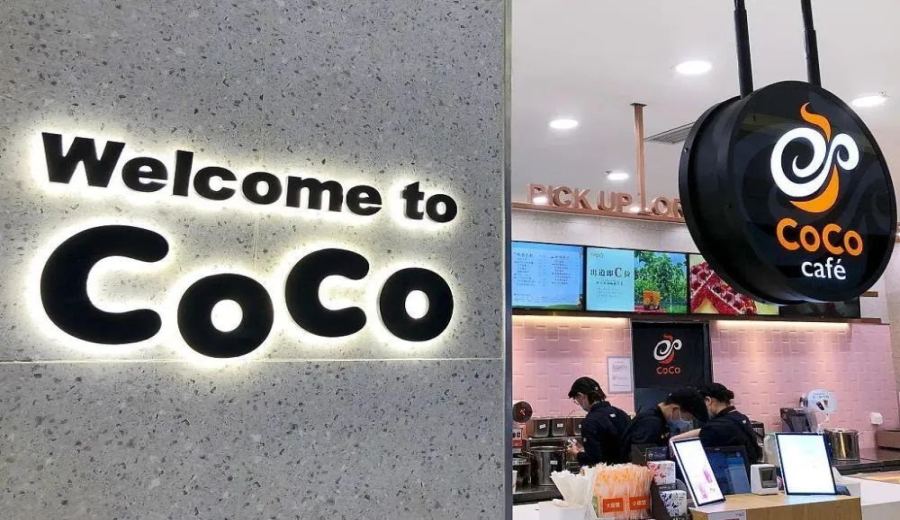
In recent years, many new-style tea beverage brands have expanded beyond the tea market and extended their reach into the fast-growing coffee sector. Examples include Cha Yan Yue Se launching an independent coffee brand and quickly opening stores, HEYTEA investing in specialty coffee chains such as Seesaw and Minority Coffee, and Nayuki’s Tea entering the coffee market through the “Nayuki PRO” store format and investing in AOKKA. These moves reflect the tea beverage brands’ keen interest in the coffee segment. Meanwhile, as early as 2014, CoCo都可 began experimenting with coffee products and opened its first coffee shop in Shanghai, focusing on high cost-performance creative coffee, making it one of the pioneers in this cross-sector move.
Mixue Ice Cream & Tea entered the coffee market early through its subsidiary brand “Lucky Cup,” rapidly expanding its footprint via a franchise model. Other brands such as Shu Yi Shao Xian Cao and 7分甜 have also launched their own coffee series or sub-brands, joining the competition. In August of this year, Cha Yan Yue Se’s new coffee brand “Yuanyang Coffee” officially debuted its first five stores, demonstrating its determination to enter the coffee market. In fact, prior to this, brands including HEYTEA had already partnered with %ARABICA back in 2020 to launch pop-up stores, experimenting with blending tea and coffee elements, and invested in Seesaw and Minority Coffee in 2021 and 2022 respectively, signaling their long-term strategic ambitions.
This wave of cross-sector trends is no accident. According to data from iiMedia Research, China’s coffee market reached approximately 381.7 billion yuan in 2021 and is expected to climb to 485.6 billion yuan in 2022, with the number of consumers surpassing 300 million. More notably, the market is projected to grow at a high rate of 27.2% in the coming years—far exceeding the global average of 2%—and is expected to exceed the one trillion yuan mark by 2025, showcasing enormous market potential and consumer momentum.
Data from Tianyancha App indicates that from 2020 to 2022, the number of companies crossing over into the coffee industry increased significantly, rising sharply from just 2 cases in 2020 to more than 10 in 2022. These entrants come not only from traditional catering sectors but also include state-owned enterprises such as China Railway and China Post, showing that the coffee segment is attracting a diverse range of investors and brands. As of mid-November 2022, there were already 13 financing events involving coffee-related brands, accounting for nearly 80% of total financing deals in the coffee industry, reflecting the high level of attention from capital markets toward this field.
For new-style tea beverage brands, entering the coffee market is not only about seeking new growth drivers, but also helps with brand diversification and market positioning. Industry insiders point out that this wave of cross-sector trends is both a strategy for preemptive market positioning and for building a second growth curve. The coffee market is not only growing rapidly but also has a broad consumer base and significant future development potential, prompting new tea beverage brands to view it as a strategic priority. Additionally, the long-term experience accumulated by new tea beverage brands in store operations, supply chain management, and scalable expansion has become a key advantage for their entry into the coffee market.
New-style tea beverage brands are bringing not only capital and traffic, but may also inject fresh energy into coffee product innovation and marketing strategies. From tea-coffee fusion drinks and creative specials to enhanced store experiences, these brands are trying to capture greater consumer mindshare through differentiated strategies. Going forward, as more brands enter the market and it becomes further segmented, competition in the coffee segment will become more diverse. How new tea beverage brands will reshape the market landscape is something worth watching closely.
The above content is compiled by CoffeeHunters, a coffee news website.


