







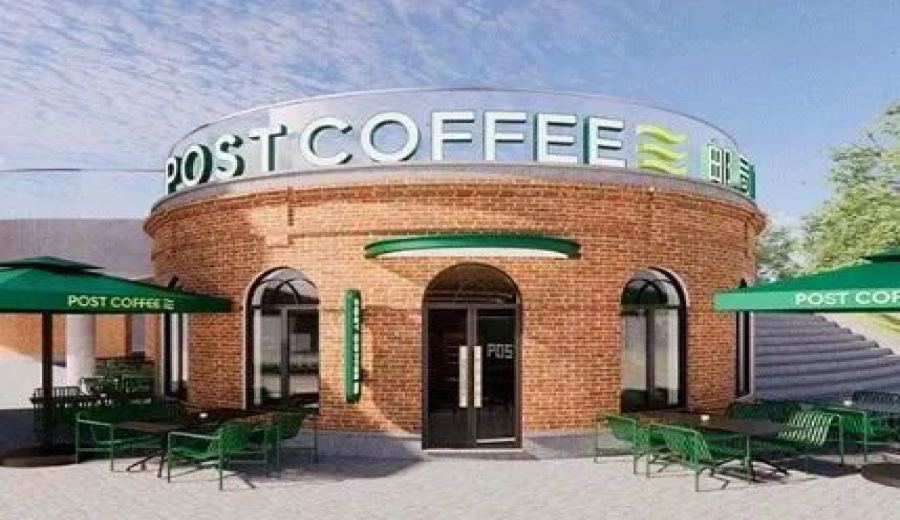
Introduction:The cross-industry combination of coffee and alcohol is gradually becoming the new darling of the F&B industry. "Morning coffee, evening alcohol" is no longer just a skincare slogan but has evolved into a lifestyle of "coffee in the morning, drinks at night." Recently, China Post’s coffee brand "Post Coffee" launched its first nationwide day-coffee-night-alcohol concept store in Fuzhou, introducing two locally limited-edition beverages. Since its first store in 2022, the brand has expanded to four cities and ten outlets. This article will delve into how this innovative business model offers a new direction for coffee brands to tap into the nighttime market, as well as the current landscape of major players in this space.
In recent years, the cross-industry business model of "coffee + alcohol" has gradually gained traction, transforming daytime cafés into evening bars. This not only extends operating hours but also caters to diverse consumer needs across different scenarios. This new "day-coffee-night-alcohol" format is becoming a popular choice for many coffee brands to explore the nighttime economy.
Recently, Post Coffee, a coffee brand under China Post Group, announced the official opening of its first nationwide day-coffee-night-alcohol concept store in Fuzhou. In addition to maintaining the brand’s signature postal-themed design, the new store has specially introduced two Fuzhou-local limited-edition drinks: "Post’s Sweet Taro," which incorporates coffee flavors, and the caffeine-free "Taro Paste Milk," attracting many local consumers to come and try them.
Post Coffee is an innovative attempt by China Post to enter the beverage market, with a product line that includes coffee, tea drinks, and desserts, priced between 20 and 40 yuan per cup. Customers can choose to enjoy their beverages in-store or opt for delivery services. The brand cleverly combines the cultural imagery of traditional postal services with a modern casual coffee atmosphere, successfully capturing the attention of younger demographics and conveying a unique sense of Chinese retro lifestyle aesthetics.
Looking back at the brand’s development, since the opening of its first store on February 14, 2022, in Xiamen, Post Coffee has so far opened a total of 10 stores across Fujian, Jiangsu, Jiangxi, and Beijing. Currently, the brand operates entirely under its own management without franchising, ensuring consistency in quality control and service standards.
Three months after the debut of its first store, Post Coffee quickly opened its second location on Xiamen’s Cat Street, incorporating local characteristics with numerous cat-themed elements to create a resting space tailored for cat lovers. The brand then further ventured into the campus market by launching its first campus store during Southeast University’s 120th anniversary celebration. Combining campus culture with postal elements, it introduced limited-edition products, showcasing a flexible and diversified market strategy.
In fact, the "day-coffee-night-alcohol" business model is not an original creation of Post Coffee. As early as 2019, the international coffee chain Starbucks launched the "Starbucks Reserve Coffee & Wine Bar" on Shanghai’s Bund, pioneering the integration of coffee and alcoholic beverages. Subsequently, domestic specialty coffee brands such as Seesaw and M Stand also entered this field, with M Stand having already opened five themed stores in cities including Shanghai, Shenzhen, and Ningbo.
The Canadian coffee brand Tim Hortons also launched a new "Coffee & Beer" concept in Shanghai, focusing on the idea of daytime coffee and nighttime craft beer. The beverage selection primarily features beers, including 31 varieties of fruit and wheat beers, priced between approximately 25 and 58 yuan. Operating hours extend from 7 a.m. all the way to midnight, comprehensively covering multi-time-slot consumer demands.
Notably, Luckin Coffee founder Lu Zhengyao’s new brand, Cotti Coffee, although currently primarily offering coffee through online ordering, has clearly outlined plans to move toward a day-coffee-night-alcohol model. Its future developments are worth keeping an eye on.
Overall, most of these brands start with coffee and gradually introduce alcoholic beverages, using extended scenarios and product offerings to fill the gap left by traditional cafés during nighttime operations. For consumers, the day-coffee-night-alcohol model not only provides more diverse options but also transforms cafés from being limited to daytime rest spaces into all-day social venues.
For brand operators, this model helps boost revenue and space efficiency. Especially as the nighttime economy continues to rise, effectively utilizing space and resources to extend operating hours will be key to future competition. Although Post Coffee, with its brand background and resource advantages, has gained an early lead, in an increasingly competitive market, it still needs to continuously optimize its products and services to stand out in the multi-time-slot operation race.
The above content is compiled by CoffeeHunters, a coffee news website.


