








Introduction:Common issues with pour over coffee, such as excessive bitterness or a taste as weak as water, often stem from improper grind size, incorrect pouring techniques, or insufficient understanding of the coffee beans' characteristics. This article delves into the common reasons behind brewing mishaps, providing practical troubleshooting tips and adjustment methods to help you accurately grasp the key points of extraction. Whether you’re a beginner or an advanced enthusiast, you’ll find targeted solutions here.
Many pour over enthusiasts frequently encounter two frustrating problems during brewing: one is a noticeable burnt or bitter taste, and the other is a flavor that’s overly thin, like water, lacking complexity. In reality, the goal of pour over coffee isn’t just to produce a perfect cup every time, but to quickly identify the root cause when problems arise and make the right adjustments. By analyzing key factors such as differences in coffee bean roast profiles, grind size control, and pouring techniques, we can pinpoint the underlying causes of bitterness and weak flavors. Whether you're just starting out or have some experience under your belt, you’ll gain useful guidance from this.

A common mistake many people make when trying coffee beans from different roasters is applying the extraction method that worked for one brand’s beans directly to another that seems similar. Even if the coffee variety is the same, each roaster may have significantly different roasting styles and target flavor profiles. Some emphasize clean, bright acidity; others focus on a balanced acidity and sweetness, while some specialize in high-sweetness fruit-forward processing methods. Simply reusing old parameters often leads to disappointing results. For example, some people are used to brewing all Yirgacheffe beans with the same fixed water temperature and technique. At first, the flavor might be acceptable, but when switching to a version from another roaster, they may suddenly encounter pronounced bitterness or disjointed flavors. Often, they mistakenly assume it’s a problem with the bean quality, when in fact, it’s due to overlooking the unique roasting characteristics behind each batch.
This difference becomes even more pronounced with niche-origin beans or those processed using special methods. Take the Paradise Bird from Papua New Guinea, for example. This variety originates from Typica introduced from Blue Mountain and is classified as an island-type coffee. Different roasters may offer medium-to-dark, medium, or medium-to-light roast versions, each showcasing nutty chocolate notes, balanced acidity and sweetness, or fruitiness like white peach and plum. Ignoring these differences and insisting on using the same set of parameters will undoubtedly prevent the coffee’s full potential from being realized. It’s recommended that when trying beans from new origins or roasters, you actively learn about their roast level and recommended brewing direction. Sometimes, a simple piece of advice can get you much closer to the ideal flavor.
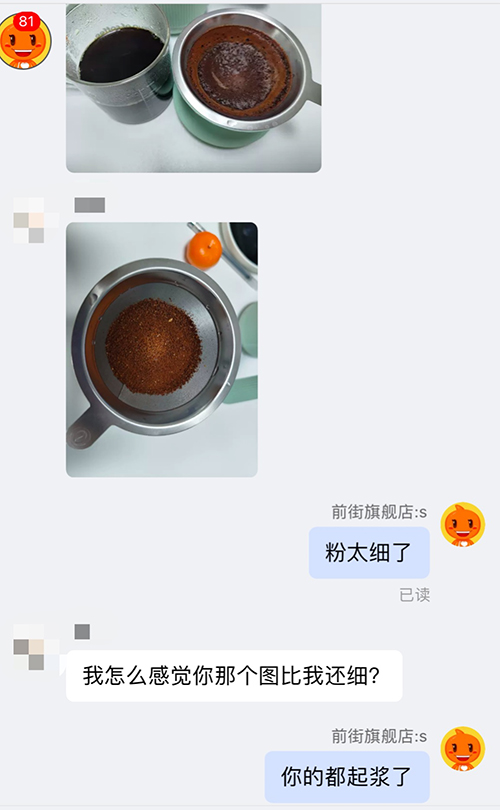
In actual practice, the most error-prone step is often grind size control. Many people have only a vague concept of what constitutes “medium-fine” or “medium-coarse” grind, without any precise basis. If, after brewing, you find the coffee bed resembles mud, with water struggling to penetrate, it usually means the grind is too fine or there’s a high proportion of fines, leading to over-extraction and a pronounced bitter taste. To calibrate grind coarseness, you can use a #20 sieve to measure the extraction rate. Generally speaking, light to medium roasts suit an extraction rate of 75% to 80%, while medium to dark roasts fall within the 70% to 75% range. If you don’t have a sieve handy, you can also observe the brewing time and the speed at which the water level drops. For a standard 1 to 2 serving pour over, the ideal brewing time is around 1 minute 50 seconds to 2 minutes 10 seconds. If the time is noticeably longer, it’s usually due to a grind that’s too fine; if it’s too short, the grind may be too coarse. Additionally, pay attention to how quickly the coffee bed sinks. It should descend evenly and slowly. If it sinks too fast, the grind may be too coarse; if it sinks too slowly or even gets clogged, the grind might be too fine or have too many fines. In such cases, the bottom of the coffee bed can easily turn muddy, negatively affecting overall extraction quality.
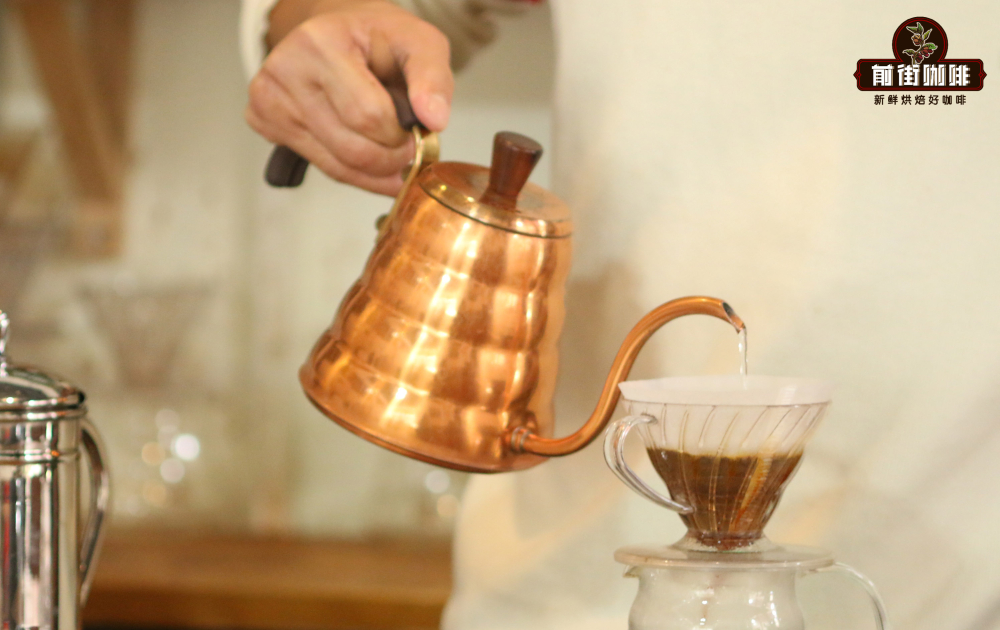
Another common issue is coffee that tastes overly weak, which is often directly related to pouring technique. If the pouring circle is too wide and the water stream directly hits the outer edge of the coffee bed, it can result in some coffee grounds not being properly saturated and instead being washed directly into the server, causing under-extraction. In such cases, even if the parameters are set correctly, you’ll still end up with a coffee that lacks flavor and complexity. The solution is to reduce the pouring circle diameter, control the height of the water stream, and ensure the water is evenly distributed across the coffee bed so that every part is adequately saturated, thereby extracting full aroma and taste. In practice, you can try reducing the amount of water poured at one time, lowering the force of the water stream, and maintaining a steady pouring rhythm. These steps can help improve overall extraction efficiency and flavor expression.
The above content is compiled by CoffeeHunters, a coffee news website.


