







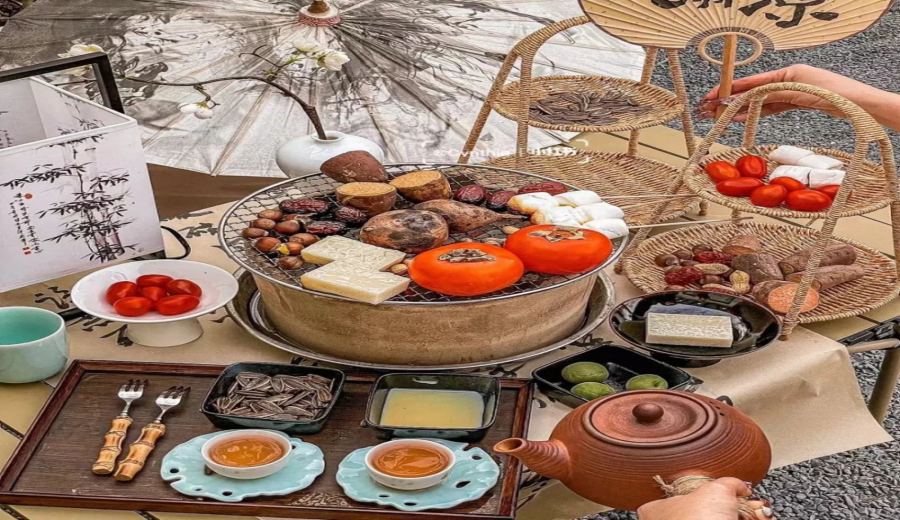
Introduction:As a new winter social activity, gathering around a stove to brew and drink tea has become a popular pastime among many young people. From Chengdu to cities across the country, teahouses have launched dedicated “stove-boiled tea” services, and some people even bring their own tea sets outdoors to brew tea by the fire, pairing it with roasted snacks to enjoy the warmth of winter. This article will delve into the cultural significance and reasons behind this trend, while also offering practical advice and precautions for brewing tea this way.
Following the outdoor activity crazes such as camping and frisbee, stove-boiled tea has gradually become a new favorite for young people’s winter gatherings. Especially in cities like Chengdu, many teahouses have set up special areas for stove-boiled tea, attracting a large number of young consumers eager to experience it. Moreover, some tea enthusiasts prefer to bring their own tea equipment, go outdoors to personally light the charcoal and brew tea, accompanied by roasted oranges, chestnuts, and peanuts — creating a richly atmospheric winter vibe.
This trend is not only visible in physical spaces but has also sparked lively discussions on social media platforms. On Douyin, videos related to stove-boiled tea have surpassed 1.79 billion views, while on Xiaohongshu, there are over 60,000 related posts, along with more than 5,400types of related merchandise available. From tea selection and utensil pairings to brewing techniques, netizens have shared a wide variety of experiences and tips.
The history of stove-boiled tea actually dates back to the Song Dynasty, and in Yunnan, fire-pit roasted tea is also a long-standing traditional way of drinking tea. However, the modern version of stove-boiled tea places greater emphasis on visual aesthetics and photo-friendly ambiance. In addition to the teapot itself, the arrangement of pastries, fruits, and snacks on the table — even a small decorative lamp — has become an important element in crafting an “Instagrammable” scene.
The popularity of this phenomenon is closely tied to the rise of neo-Chinese-style teahouses. Market research shows that China’s new-style tea beverage industry is in a phase of rapid expansion, with more and more young people inclined to visit elegant, uniquely atmospheric neo-Chinese teahouses. Coupled with a growing awareness of health and wellness, many are re-evaluating the charm of pure tea, which has helped make stove-boiled tea — a blend of socializing, wellness, and aesthetics — a trending activity.
In addition, the appeal of stove-boiled tea is also linked to the “relaxed vibe” it offers. In the hustle and bustle of urban life, sitting around a stove with a few friends, sipping tea and roasting snacks, and enjoying a slow-paced moment has become a rare form of relaxation. Some consumers say such gatherings not only strengthen relationships but also allow people to temporarily escape daily pressures and rediscover the subtleties and warmth of life.
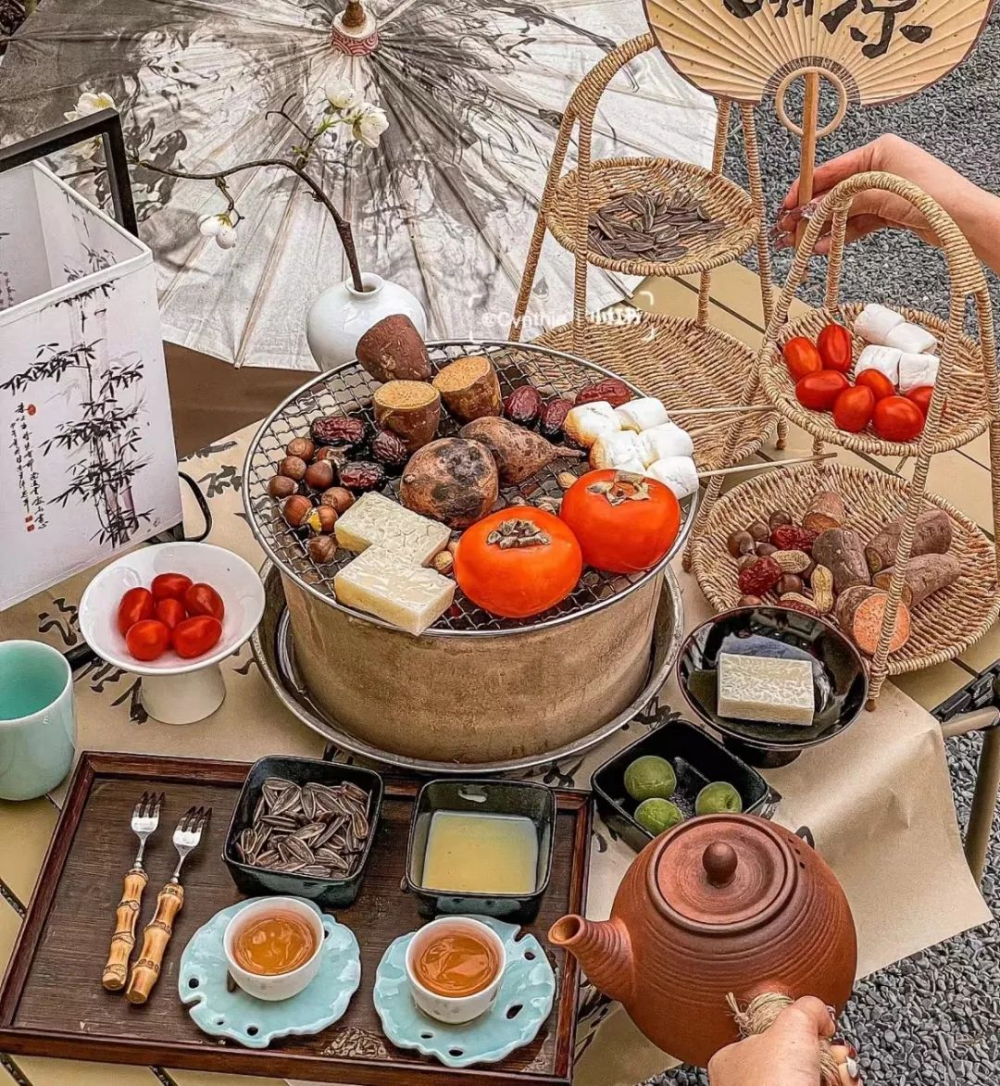
However, stove-boiled tea has also sparked some debate and criticism. Some believe it is merely a form of “affectation,” where participants care more about outfits and photo effects than truly appreciating the tea. Additionally, due to the relatively high prices at some teahouses, there are voices pointing out that this may involve a degree of “conspicuous consumption,” and not everyone can easily afford it.
Regardless of external opinions, stove-boiled tea has indeed given traditional Chinese tea a completely new image. In the past, tea might have been seen simply as a hot drink in the office or an ordinary beverage at family gatherings; now, it has become a lifestyle combining ritual, aesthetics, and social interaction. This shift also reflects a younger generation’s re-interpretation and renewed appreciation of tea culture.
For those who want to try stove-boiled tea themselves, it is recommended to start by selecting suitable teas, such as ripe Pu’er, aged white tea, or black tea — these types are good for prolonged brewing and maintain stable flavors. Additionally, pay attention to heat control when brewing to avoid overly strong tea or unpleasant smells from the charcoal fire. For food pairings, classics like oranges, sweet potatoes, and chestnuts are excellent choices — they add aroma and enrich the overall experience.
Overall, stove-boiled tea is not just a way to enjoy tea in winter, but a comprehensive experience that blends culture, social interaction, and the aesthetics of daily life. Whether you’re seeking a moment of tranquility or looking for a new way to gather with friends, this trendy winter ritual is well worth trying.
The above content is compiled by CoffeeHunters, a coffee news website.


