







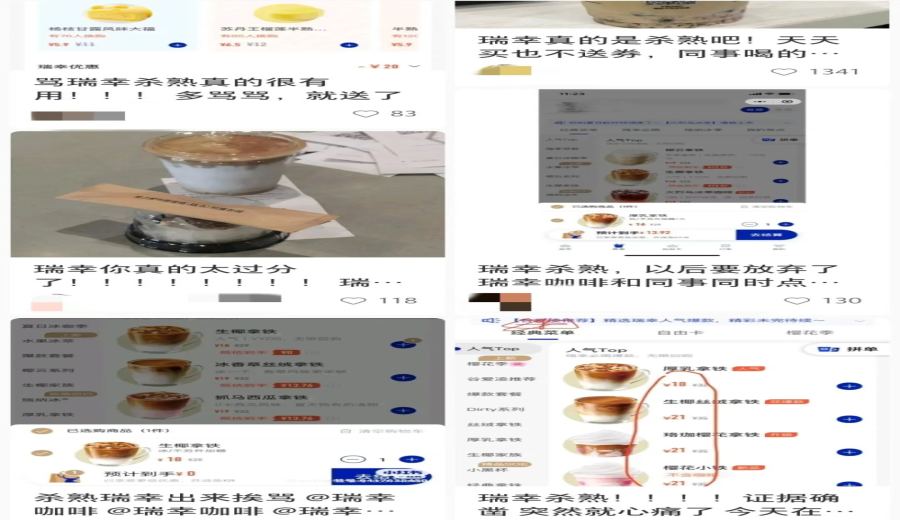
Introduction:Luckin Coffee’s Fresh Cheese Latte has recently sparked heated discussion due to price disparities, with some customers finding the same drink priced anywhere from 9.9 RMB to 18 RMB, leading to suspicions of “big data price discrimination.” In response, Luckin stated that pricing variations are influenced by store operating costs and random promotions, not targeted pricing. This article delves into the full story, user feedback, and industry background to help readers understand the common causes of price fluctuations in online shopping and how to respond.
Luckin Coffee’s Fresh Cheese Latte once attracted a large number of customers with its affordable price of 9.9 RMB, but recently many users have noticed significant price differences for the same beverage, ranging from 9.9 RMB to 18 RMB, raising market concerns about “big data price discrimination.” The so-called “big data price discrimination” refers to platforms charging different prices for the same product or service based on a user’s purchasing history, frequency, or loyalty, often resulting in long-time customers paying more.
In response to public scrutiny, Luckin officials explained that price differences mainly stem from varying store operating costs and randomly distributed promotional offers, emphasizing that there is no intentional price adjustment or practice of “discriminating against loyal customers.” However, this is not the first time Luckin has faced similar controversies; media reports of comparable incidents date back to as early as 2021.
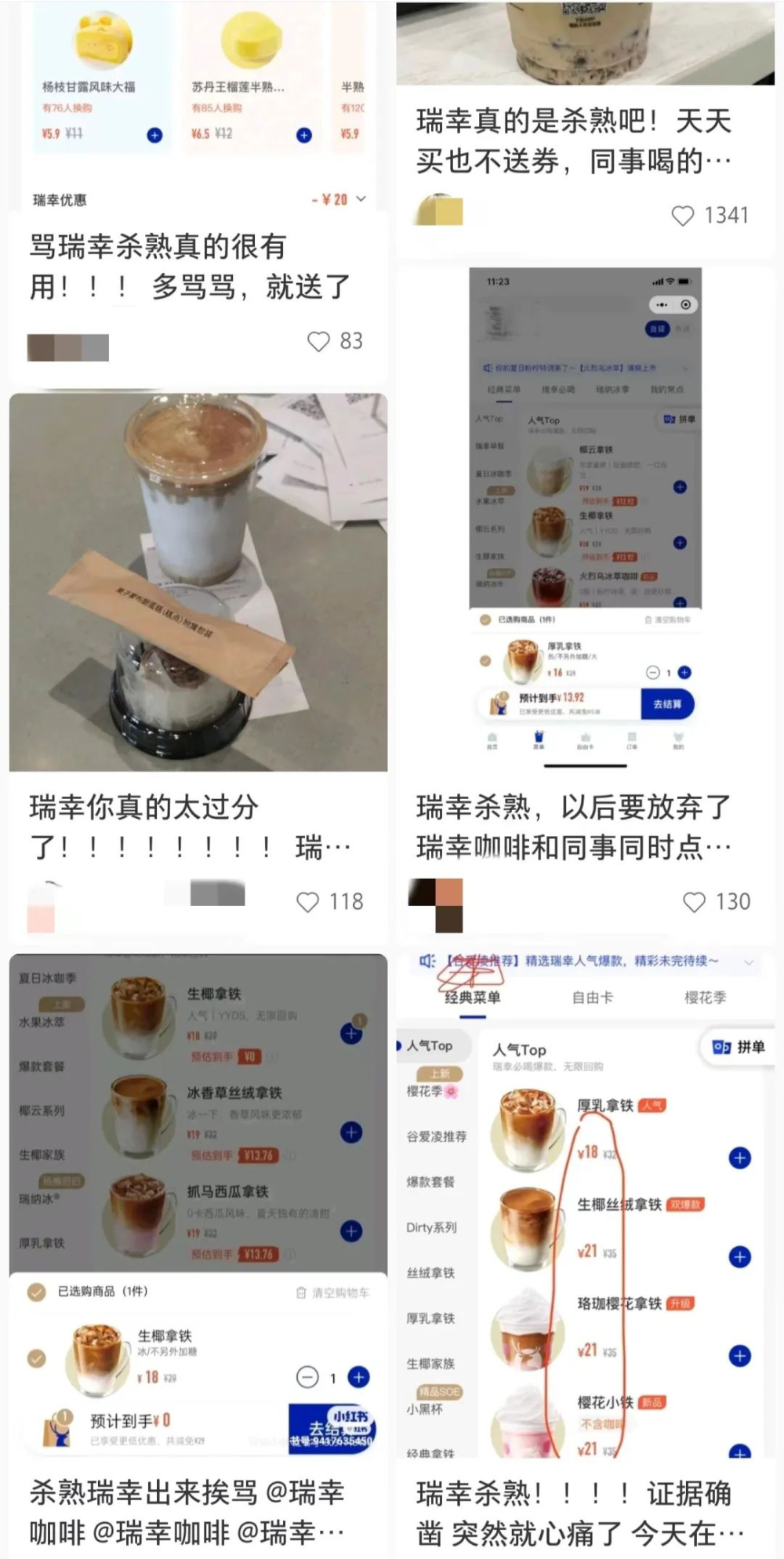
Many customers reported that their long-used accounts could no longer access the 9.9 RMB discount, with prices even rising to 18 RMB, while other users could still purchase the drink at low prices. For example, one netizen commented, “The price for my account keeps going up, while some people can get it for free—it’s really unfair.” Another user bluntly stated that even after subscribing to the Freedom Card, prices remained high, which was disappointing. Some long-term customers even threatened to switch brands, feeling that Luckin does not value its loyal clientele.
However, some consumers argue that it is normal for platforms to offer differentiated promotions based on user habits and that it should not be simply labeled as “price discrimination.” They pointed out that expecting to enjoy the 9.9 RMB discount every day and then questioning the platform when it’s unavailable may overlook the fact that promotions inherently come with time limits and limited quotas.
In fact, as early as March 2021, CCTV’s financial program “Consumption主张” reported on possible instances of big data-based differential pricing at Luckin. At that time, Ms. Xu from Changsha, Hunan, found that she and her colleague, while purchasing the same Luckin Coffee at the same location, were charged different prices for the drink and even faced different delivery fees. Ms. Xu, who was a frequent customer, ended up paying higher prices, which she found unreasonable. After lodging a complaint with Luckin, she received coffee coupons as compensation but firmly stated that she would no longer patronize the brand.
This incident highlights an increasingly scrutinized issue in online consumption—pricing fairness. Legal experts have noted that if a platform implements differential pricing or rules based on a user’s purchase frequency or behavior patterns, rather than their status as a new customer, it can be considered “price discrimination.” However, Luckin maintains that price differences are based on a variety of comprehensive factors, not on intentionally targeting specific user groups.
In summary, the price variations of Luckin’s Fresh Cheese Latte stem both from the system’s mechanism of randomly issuing promotions and from multiple variables such as store rent, labor, and operational costs. For consumers, understanding these factors can help them view price fluctuations more rationally. At the same time, by keeping an eye on official promotions, using different accounts or payment methods flexibly, they can seek more cost-effective purchasing options. In the digital age, consumer expectations for price transparency and fairness are growing, and how brands balance operational efficiency with user trust will remain a long-term challenge.
The above content is compiled by CoffeeHunters, a coffee news website.


