








Introduction:Dark roast coffee is often labeled as "bitter" or "monotonous," but in fact, with the right brewing techniques, it can also showcase rich caramel sweetness and a full-bodied mouthfeel. This article delves into the sources of bitterness in dark roast coffee and uses the classic Indonesian Golden Mandheling as an example to detail grind size, water temperature, brew ratio, and the three-stage pouring technique—helping you brew a balanced, layered dark roast pour over at home.
As specialty coffee becomes mainstream, light roasts are often described with vivid flavor notes—from citrus and floral to berries—as if the drinker were in an orchard. Yet when it comes to dark roasts, many people only use terms like "nutty," "chocolatey," or even just a single word: "bold." It seems the flavors of dark roast coffee are unremarkable. In reality, dark roast coffee also has complex aromas and taste layers; it's just that the bitterness often masks other nuances, requiring more refined brewing and tasting skills to reveal its charm.
The bitterness in coffee mainly comes from the caramelization and Maillard reactions that occur during roasting. These chemical changes produce large-molecule compounds, which become increasingly prominent as roast time extends. Therefore, the "bitterness" in dark roast coffee isn't just a simple stimulating sensation—it’s part of an overall flavor profile that includes aroma, body, and aftertaste. When tasting, besides the taste perceived on the tongue, capturing the aromas through the nose helps you better understand the full picture of a cup of dark roast coffee.

When many people look for "non-acidic coffee," they’re often recommended classic dark roast beans such as Indonesian Golden Mandheling, Brazilian Queen Estate, or Papua PGN Bird of Paradise. Though these beans have noticeable bitterness, using the correct brewing method not only reduces the harshness from over-extraction but also highlights their unique sweetness and full-bodied texture—offering a rich yet layered coffee experience.
Because dark roast beans are roasted longer, their internal structure becomes looser and can be easily crushed with light pressure. This means they absorb water faster during brewing and release larger molecular substances more readily. If ground too finely or brewed at too high a temperature, unnecessary off-bitterness and astringency can be released into the extraction. Therefore, for dark roast coffee, it’s recommended to use a coarser grind and slightly lower water temperature to stabilize extraction efficiency and avoid over-extraction.
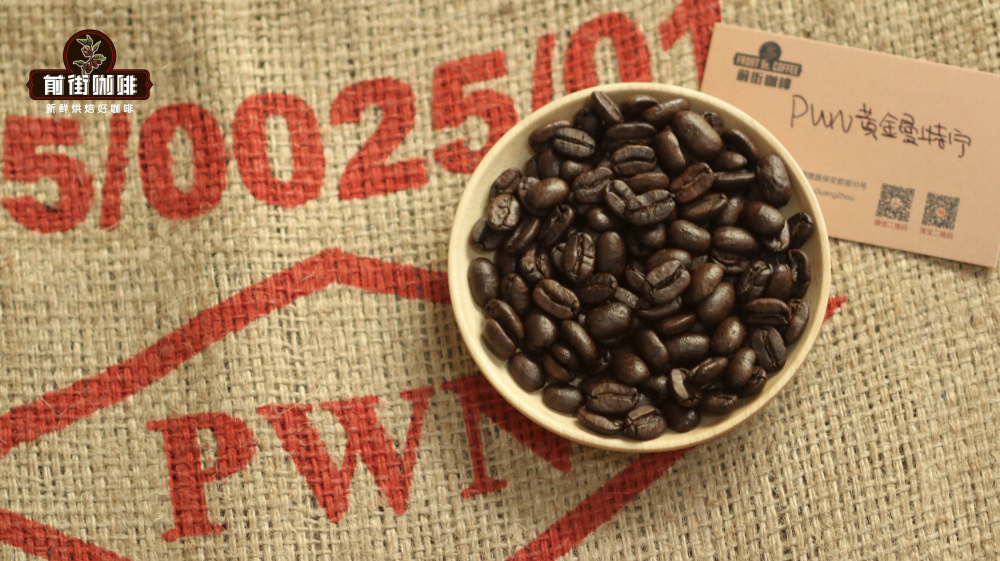
When adjusting grind size, you can refer to the sieving rate through China’s Standard No. 20 sieve (0.85 mm). Generally, the recommended sieving rate for medium to light roasts is 75–80%, while for medium-dark roasts like Mandheling, 70–75% is advised. For a more balanced extraction, it’s suggested to control the grind fineness to about a 70% pass rate through the No. 20 sieve—this ensures the coffee grounds have sufficient extraction surface area without being so fine as to overly release bitterness.
Water temperature is also one of the key factors influencing extraction. Higher temperatures can increase extraction yield but may also bring out undesirable impurities. For dark roast coffee, it is recommended to keep the water temperature between87–88°C. Compared to the 91–93°C commonly used for light roasts, this slightly lower temperature helps reduce the risk of over-extraction, allowing the caramel sweetness and full body of the coffee to shine, rather than being overshadowed by bitterness.
Below, using the popular Indonesian Golden Mandheling as an example, we’ll introduce a set of practical pour over parameters and techniques suitable for dark roast coffee—to help you brew a well-balanced, smooth-bodied dark roast pour over.
Recommended parameters are as follows:
Grind Size:Medium-coarse grind (about 70% passing through a No. 20 sieve)
Brew Ratio:1:15
Coffee Grounds:15 grams
Water Temperature:87–88°C

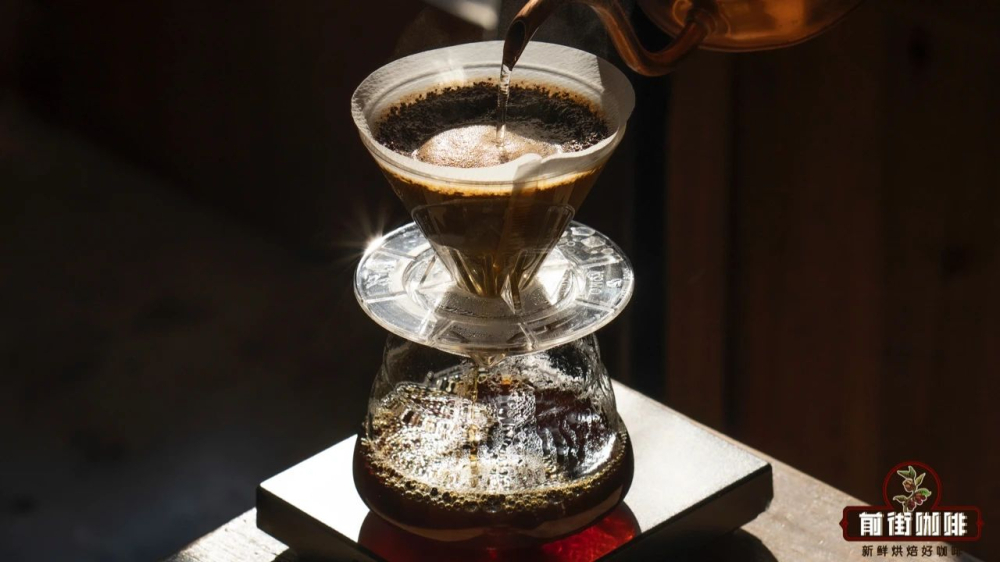
For the pour over technique, it’s recommended to use the three-stage pouring method, which helps achieve even extraction and brings out the coffee’s full body and sweetness:
First Stage:Start by pouring about 30 ml of hot water for the bloom, allowing the coffee grounds to fully absorb water and release CO₂—preparing them for subsequent extraction.
Second Stage:Then pour about 100 ml of hot water. This stage will bring out the coffee’s surface aromas and golden crema, while lifting the coffee bed to promote more even extraction.
Third Stage:Finally, pour about 95 ml gently in the center. This step helps maintain sweetness, giving the coffee a full-bodied and layered mouthfeel, while highlighting the delicate interplay of chocolate, nut, and caramel flavors.
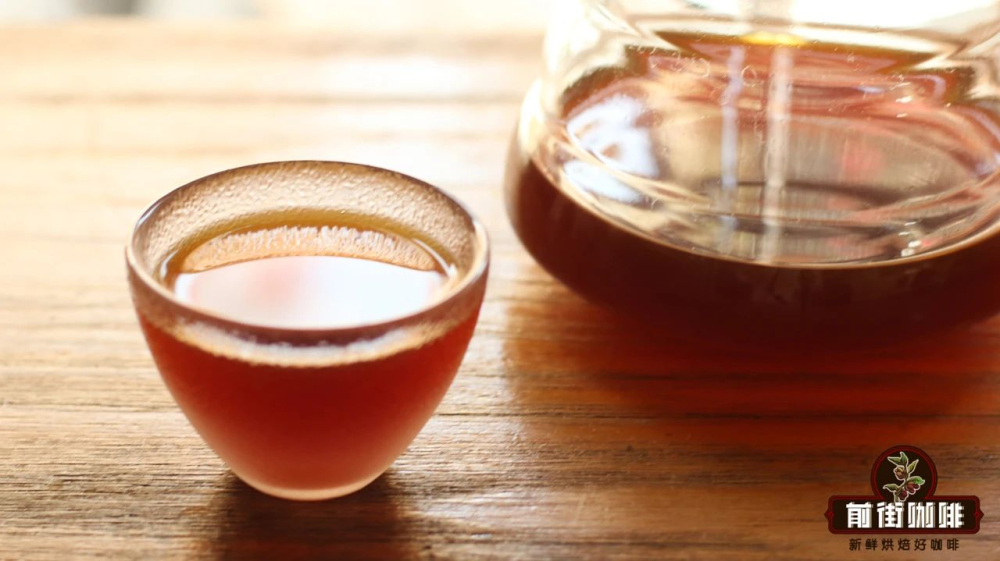
Using these parameters and techniques not only reduces the risk of over-extraction, but also softens the bitterness of dark roast coffee, while highlighting its sweetness and full body—making each sip richly layered and lingering.
The above content is compiled by CoffeeHunters, a coffee news website.


