







Introduction:The depth of color in pour over coffee is often mistakenly associated directly with concentration or clarity, but it is actually influenced by multiple factors such as roast level and extraction yield. This article starts with practical brewing examples to analyze the truth behind coffee liquid color, debunks visual judgment myths, and provides useful advice on bean selection, resting, parameter control, and pouring techniques to help you accurately enhance the purity and complexity of your coffee's flavor.
After completing a pour over, observing the bed of coffee grounds can reveal many clues about the extraction, and the color of the coffee liquid is also an important visual reference. Many people see dark-colored coffee and instinctively assume it tastes stronger or even suspect it’s murky. However, the depth of color is mainly related to extraction yield and roast degree, and does not directly reflect the clarity of the coffee. This article will delve into the causes of coffee liquid color, use actual brewing comparisons to explain how to judge clarity through tasting, and share comprehensive practical tips from bean selection to pouring.
After each brew, carefully examining the coffee bed can uncover a lot of key information to help us determine if there are any issues with the cup. Similarly, many coffee enthusiasts also closely observe the color of the coffee liquid, trying to interpret flavor clues from it.
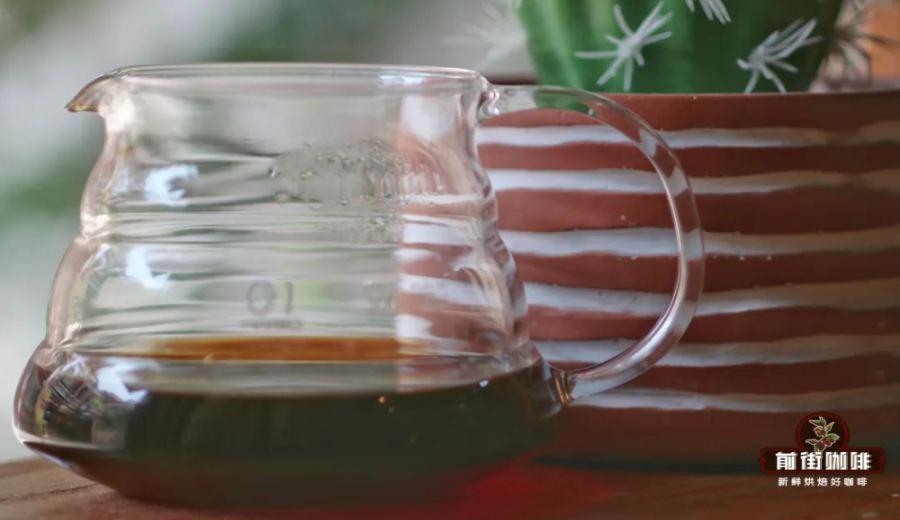
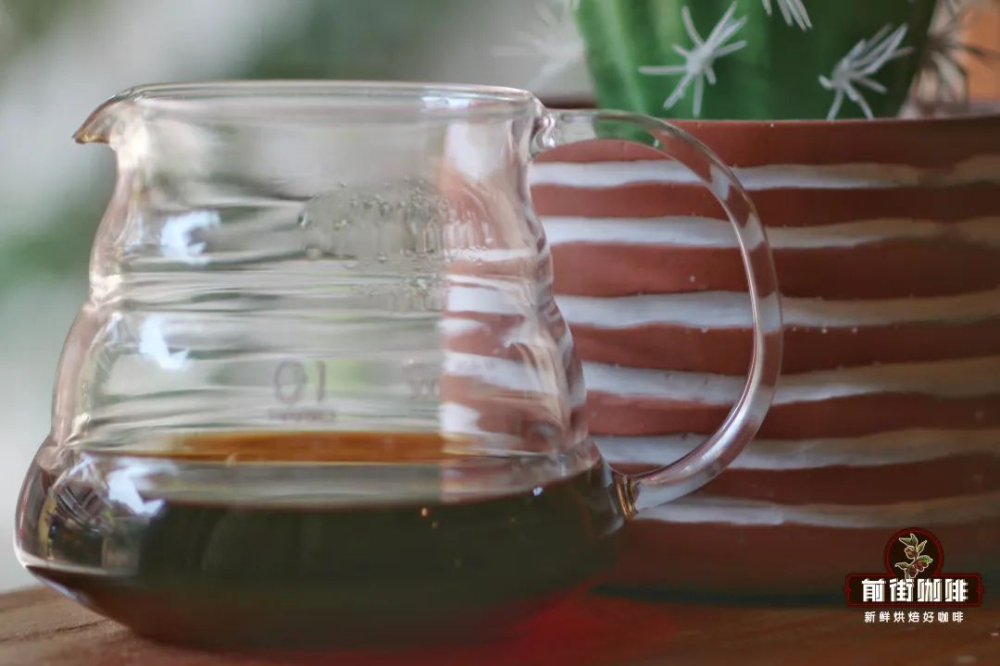
Why is the color of some pour over coffee particularly dark? If brewed in a transparent glass pot, you’ll often see the coffee appear red, dark brown, or even close to black. Visually, the darker the color, the more it tends to be associated with a bolder coffee flavor. This is indeed partially true—higher extraction yields release more soluble substances from the coffee, increasing concentration and naturally resulting in a deeper color. In addition, roast degree is also a key factor; dark roast beans are inherently darker in color, so the brewed coffee is usually more intense than that from light roast beans.
So, does a darker coffee liquid necessarily mean it’s murky? To test this, we used the same equipment, brewing technique, and parameters, comparing a light roast (such as Panamanian Geisha) with a dark roast (such as Golden Mandheling). Under the same lighting, both pots of coffee were quite clear, with no suspended impurities. When tasted, both beans exhibited clear flavor profiles with good clarity.
Human vision is prone to jumping to conclusions, often “filling in the blanks” about coffee strength and purity based on the shade of the brew. Light-colored coffee, being more translucent, can easily lead one to assume that light roasts are clearer and have purer flavors, while dark colors are more readily labeled as “thick and murky.” Rather than relying on brew color, it’s better to taste directly and evaluate flavor to confirm the coffee’s clarity.
A coffee with high “clarity” refers to one where the flavors are bright and distinct, with well-defined layers, and without negative tastes such as earthiness, moldiness, or over-fermented off-flavors.
How can you effectively improve the clarity of your coffee? Here are several key points:
1. Choose high-quality coffee beans
High-quality coffee beans have defect rates controlled at extremely low levels during production, reducing the chances of negative flavors during brewing and making it easier to showcase pure and clean flavor profiles.
2. Rest the beans sufficiently before brewing
Freshly roasted coffee beans are still in the degassing phase, and brewing them at this stage can result in harsh flavors and poor clarity. It’s recommended to let new beans rest for 4 to 7 days until they reach their optimal drinking window before brewing.
3. Precisely control brewing parameters
Improper grind size (e.g., too fine leading to excessive fines), overly high water temperature, or too long steeping times can all lead to over-extraction of large molecular bitter compounds, reducing the coffee’s clarity. Each parameter needs careful adjustment to avoid flavor defects.
4. Maintain steady and gentle water flow
If the pouring flow varies drastically or is too hasty, it can cause excessive agitation of the coffee grounds, leading to uneven or over-extraction and resulting in bitterness or astringency. Even with correct parameters, a soft and steady circular pour can effectively bring out the aroma and layered flavors of the coffee without needing to deliberately increase agitation.
Learning pour over techniques requires gradual progress. If your pouring stability is lacking, it’s recommended to gradually improve through repeated practice.
The above content is compiled by CoffeeHunters, a coffee news website.


