







Introduction:Starbucks' Q4 and full-year fiscal 2022 earnings have been released, showing an 11% increase in same-store sales in the North American region, demonstrating strong consumer momentum. Although the Chinese market still saw declines, its quarterly performance improved significantly. This article delves into how Starbucks is stabilizing its global market through customized cold drinks, a loyalty membership program, and enhanced store experiences, while also providing insight into the consumption trends and strategic shifts behind the key figures.
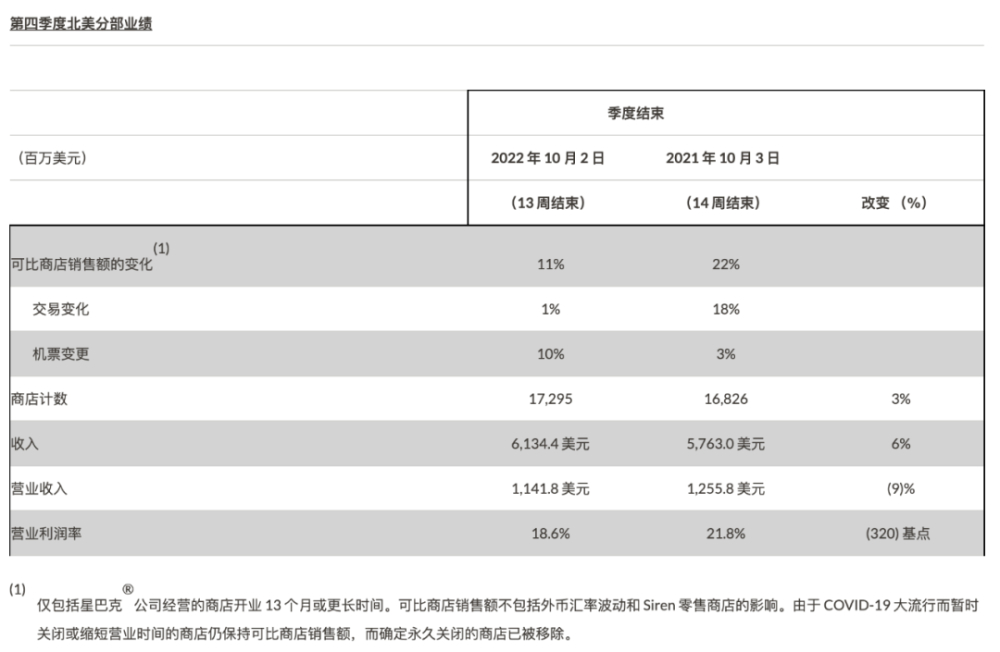
Starbucks released its Q4 and full-year fiscal 2022 financial results on Thursday, U.S. time. In Q4, global revenue reached $8.4 billion, with global same-store sales growing by 7%, exceeding market expectations. Full-year net revenue increased by 11% year-on-year to $32.3 billion, indicating the brand’s overall resilience and the gradual recovery of market demand.
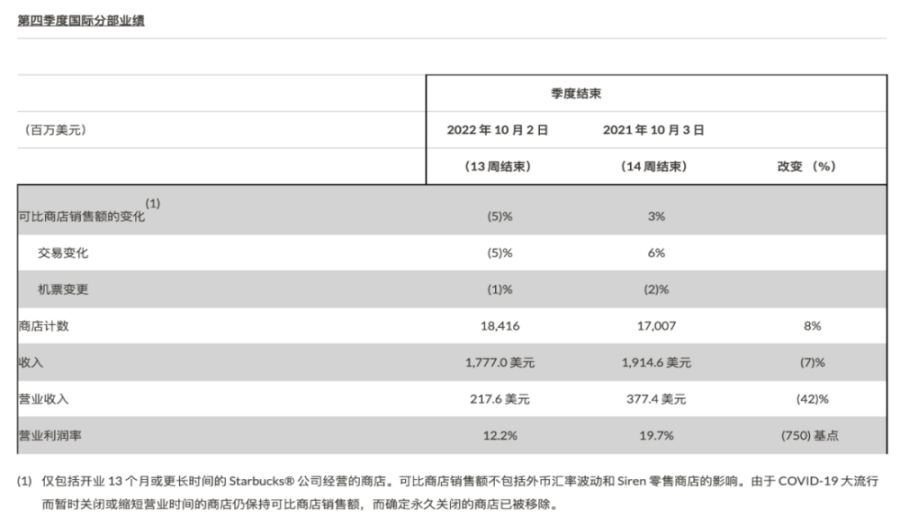
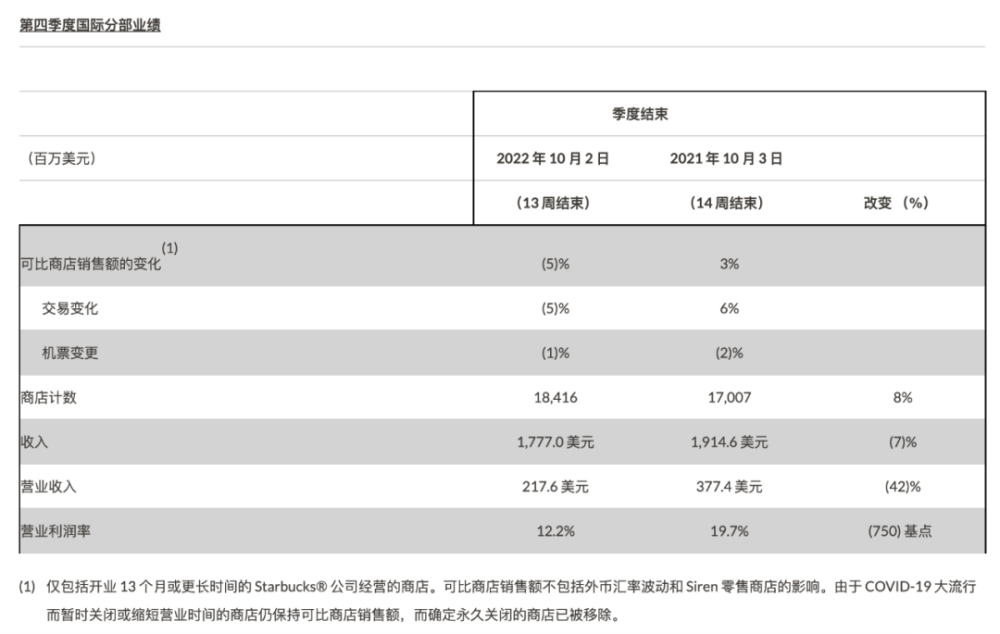
Looking at the breakdown by market, same-store sales in the North American region grew significantly by 11%, one of the highlights of this quarter's performance. In contrast, same-store sales in international markets declined by 5%, with China’s same-store sales falling by 16%. However, this represents a notable improvement compared to the previous quarter, signaling signs of gradual recovery.
Starbucks interim CEO Howard Schultz pointed out that the sales growth in both this quarter and the full year reflects the initial effectiveness of the company’s previously launched “Transformation Plan.” This plan aims to comprehensively upgrade partner culture, customer service, and store design, with the goal of driving more stable, sustainable, and profitable growth starting from 2023.
Another key driver of North American performance was the loyalty program launched in September. This program incorporates a digital NFT format, where members can accumulate digital stamps through purchases and redeem them for exclusive experiences and discounts. Data shows that the number of loyal members grew by 16% in Q4 to reach 28.7 million, significantly boosting customer stickiness and repeat purchase rates.
Analysts observed that the 11% sales growth in the North American market mainly came from higher average spending per customer and a slight increase in foot traffic, with the overall average drink price rising about 6% compared to 2021. Notably, the proportion of cold drink sales exceeded 75%, becoming an important category driving performance, with Generation Z customers being the main force. These consumers prefer customized flavors, non-dairy options, as well as cold brew or nitrogen-infused beverages, which they often share on social media, further boosting the average spending amount.
Sara Trilling, President of Starbucks North America, added that traditional bestsellers such as the “Pumpkin Spice Latte” saw a 70% year-on-year sales increase this quarter, demonstrating that classic products remain highly appealing during special holidays and seasonal marketing campaigns. Additionally, consumers’ emphasis on syrup flavors, milk foam texture, and flavor complexity has driven the brand to offer more diverse options in cold drink preparation.
As for the Chinese market, overall performance remains challenging due to pandemic-related control measures. According to StreetAccount data, same-store sales in Starbucks’ international markets fell by 5%, slightly better than the expected 7.1%. Among them, same-store sales in China dropped by 16%, but compared to Q3, the revenue decline has narrowed significantly.
Starbucks China’s Q4 net revenue improved significantly from Q3, narrowing from a 38% decline to just a 9% drop. Although same-store transactions were still down 17% compared to last year, this marks a substantial rebound from the 43% decline in Q3. Meanwhile, the average spending per same-store transaction saw a slight increase of 1%, indicating a gradual recovery in consumer willingness to spend.
Howard Schultz stated that despite uncertainties brought by the recurring pandemic, the recovery signs shown by the Chinese market in Q4 are encouraging. He emphasized that factors such as strengthened brand digital connectivity, promotion of innovative services, and gradual relaxation of epidemic prevention policies are all important contributors to stabilizing sales momentum, and reiterated his deep confidence in the long-term development of the Chinese market.
Looking ahead to fiscal 2023, Starbucks’ CFO expects overall revenue to grow by 10% to 12%. Among them, same-store sales in the U.S. market are projected to grow by 7% to 9%, showing that the North American market continues to be the main driver of the brand’s growth. As for the Chinese market, although the base in fiscal 2022 was relatively low and pandemic disruptions still persist, performance in Q1 is expected to remain under pressure. However, as the market situation improves, growth potential going forward is promising.
The above content is compiled by CoffeeHunters, a coffee news website.


