







Introduction:When brewing pour over coffee at home, if you often find the flavors mixed or the extraction inconsistent, it may be due to inadequate cleaning of your grinder. Residual fine coffee particles and oil buildup from dark roasted beans that have not been cleaned for a long time not only affect the taste of the coffee but may also shorten the lifespan of the machine. This article details the routine maintenance frequency for both hand-cranked and electric grinders, the differences between non-disassembly and deep cleaning, and answers common questions such as whether burrs can be washed with water, providing a complete guide from simple cleaning to disassembly and maintenance.
Many home pour over coffee enthusiasts have encountered this situation: even though they are using the same coffee beans, the flavor they brew is different from what they remember, or they even faintly taste other beans. This phenomenon often stems from residual fine particles inside the grinder—coffee grounds from the previous grind not being thoroughly cleaned, mixing with the current beans, leading to a chaotic extraction flavor.
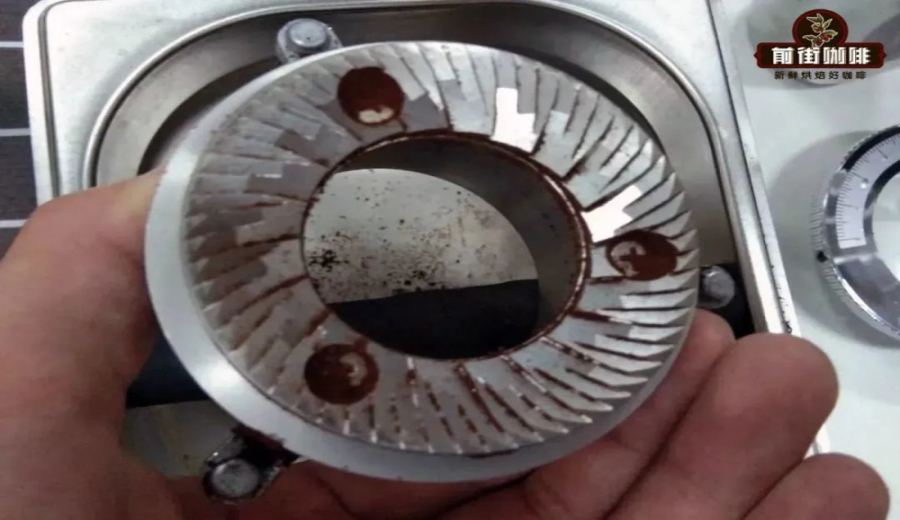
After using the grinder, the static electricity generated during the grinding process causes fine particles to adhere tightly to the surface of the metal burrs, while the bean hopper, the powder outlet, and the grounds catcher also gradually accumulate leftover coffee dust. If cleaning is neglected over a long period, not only will the coffee extraction efficiency decrease, but the flavor performance will also significantly decline. Especially for dark roasted coffee beans, which are naturally high in oil content, the burrs can easily accumulate oil stains during grinding. If not cleaned promptly, the buildup of oil residue may cause channel blockages, further affecting the grinder’s lifespan.
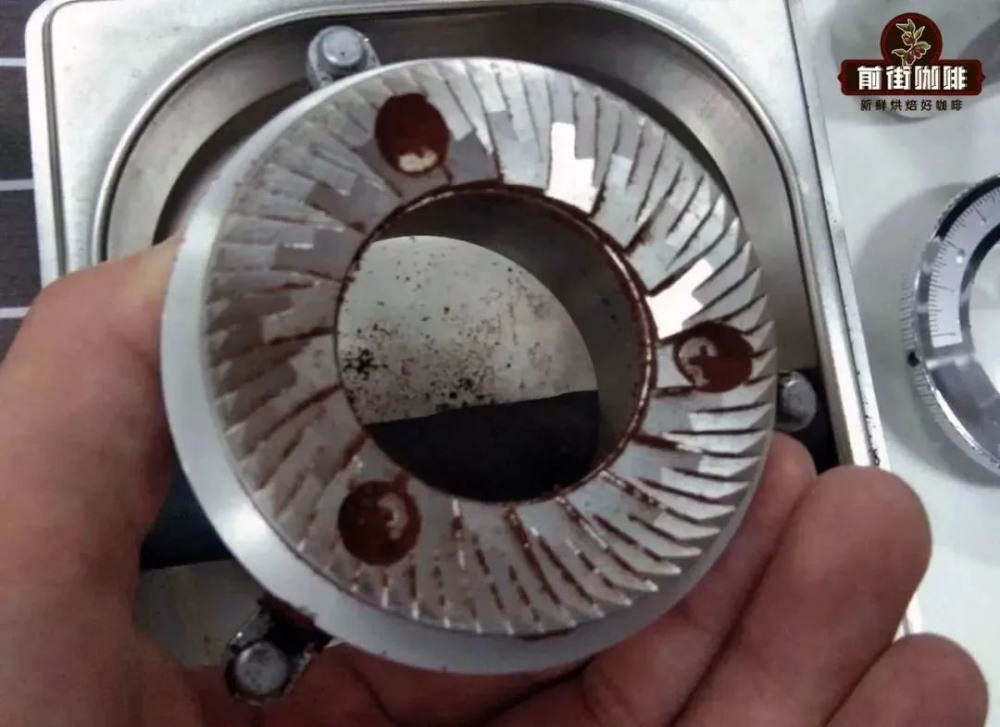
For daily maintenance, it is recommended to let the grinder run idle for a few seconds after each use to expel residual fine particles using the remaining heat, then clean visible coffee dust with a soft bristle brush and a blow bulb. Special attention should be paid to cleaning the bean hopper, the powder outlet, and the grounds catcher to ensure there are no powder residues left. After cleaning, the grinder should be placed in a dry and ventilated area to avoid rusting of metal parts due to a damp environment; for electric grinders, additionally check whether the power cord and plug are aging to prevent potential safety hazards.
If you haven’t done a deep clean for a while and notice a noticeable buildup of powder on the inner walls of the bean hopper that can be easily touched, and a rancid smell upon closer inspection, it means extremely fine particles have accumulated excessively, requiring more thorough cleaning. For users unfamiliar with the mechanical structure, disassembling the grinder directly may pose a risk of damage. In this case, you can opt for specialized cleaning tablets (cleaning pills). Place the tablets into the bean hopper and grind them, using their friction to dislodge stuck fine coffee particles. It is especially important to note that the grind size should not be adjusted too fine, to avoid the cleaning tablets themselves remaining lodged in the burr gaps, which could instead affect subsequent brewing.
When you experience noticeable grinding resistance, inconsistent particle sizes, or abnormal extraction results, it may be due to hard debris clogging the burrs or even blade edges becoming worn. In this case, you need to consider disassembling the grinder for inspection—first observe whether the burrs are blocked, and if not, assess the degree of blade wear. Generally speaking, after about two years of regular use, the burrs will experience some level of wear due to prolonged grinding, resulting in decreased grinding precision and increased fine particle output. It is recommended to regularly inspect and replace them when necessary.
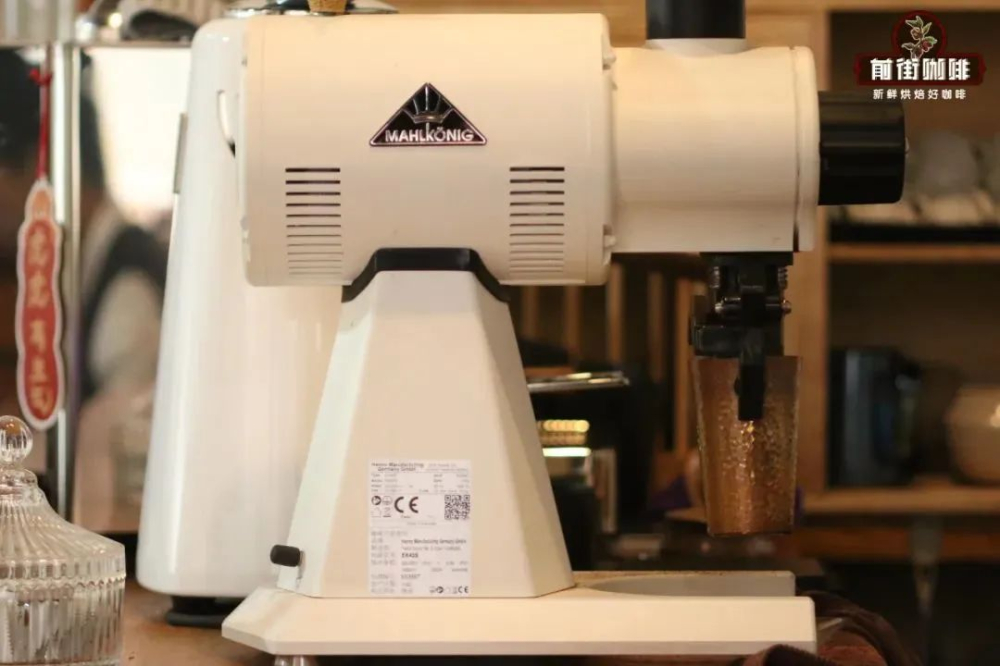
If it is confirmed that deep cleaning is needed, you can disassemble the grinder and rinse the burr section with water, but make sure it is completely dry before reassembling it into the machine to avoid residual moisture affecting operation. It is important to note that although the burrs can be washed with water, not all grinder components are suitable for this, and it is strongly recommended that non-professional users have disassembly and inspection handled by a technician to prevent damage to or loss of core parts. Regular and proper cleaning and maintenance are key to maintaining the purity of coffee flavors and the performance of the machine.
The above content is compiled by CoffeeHunters, a coffee news website.


