








Introduction:Many beginners in pour over coffee often have doubts about the appearance of certain beans when selecting or receiving them, and may even mistake normal beans for defective ones. This guide will delve into the true definition and grading standards of defective beans, as well as several commonly misjudged bean types, including peaberries, burst beans, uneven coloration, and shriveled patterns, helping readers identify more accurately and no longer wrongly accuse good beans.
Many friends who enjoy pour over coffee often feel puzzled by the appearance of single-origin beans after purchasing them, and may even mistake normal beans for defective ones. This situation mainly stems from two common misconceptions: first, most consumers usually only come into contact with roasted beans and rarely see what genuine defective beans look like; second, they assume that coffee beans should be as uniform as factory-produced standard parts, with every bean identical.
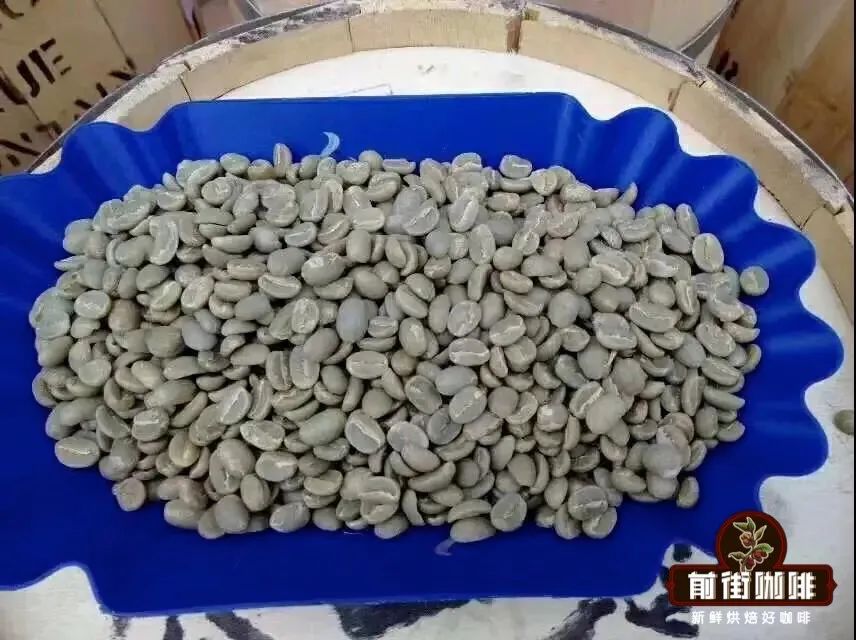
In fact, most coffee defects are already screened out at the green bean stage, and each producing region around the world has strict regulations on green bean defect rates. For example, Ethiopian G1 grade green beans must not have more than 3 defective beans in a 350-gram sample, which translates to allowing only an extremely small number of defects among approximately 2,300 beans; and Blue Mountain coffee, known for its bean size, also requires a defect rate of below 2%.
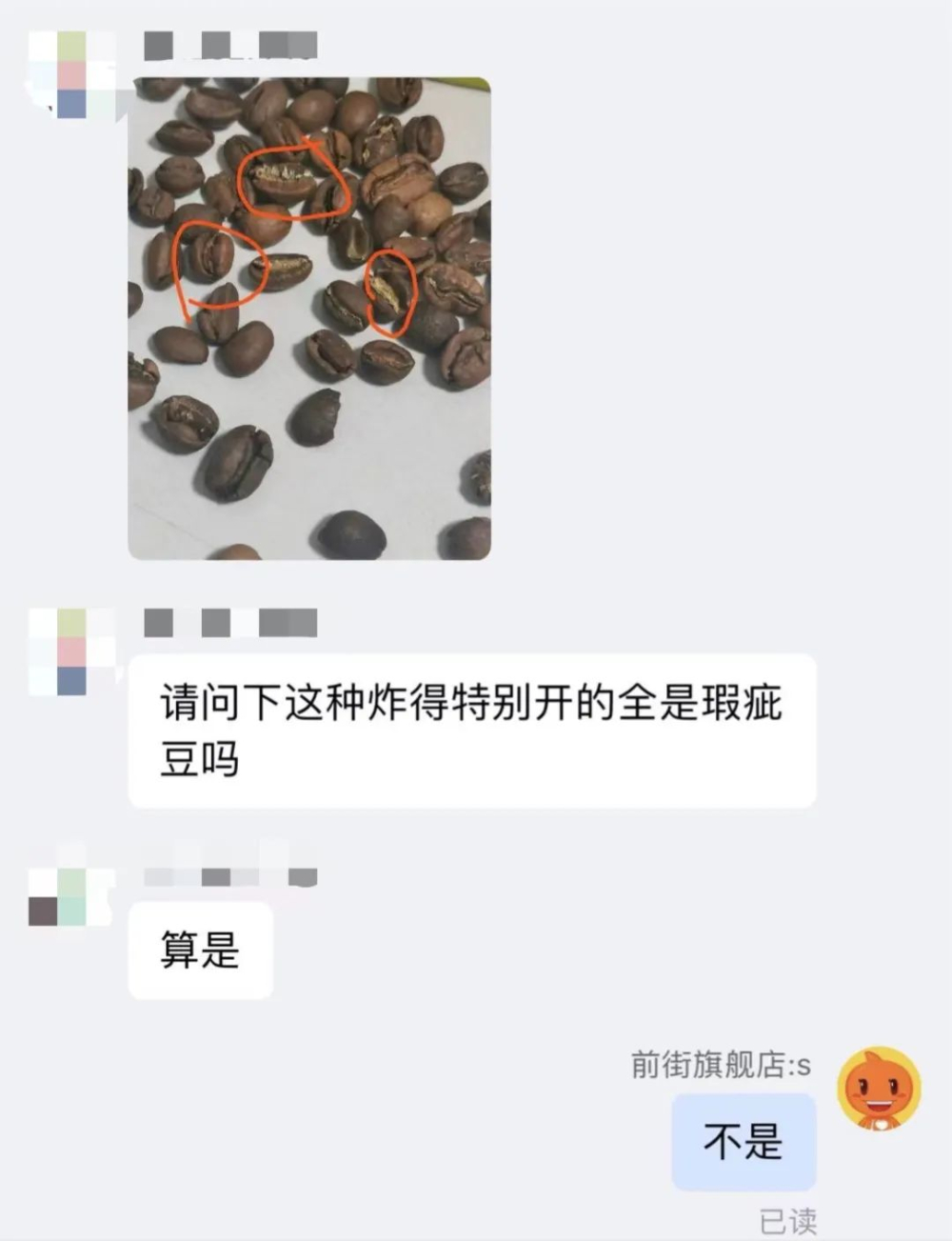
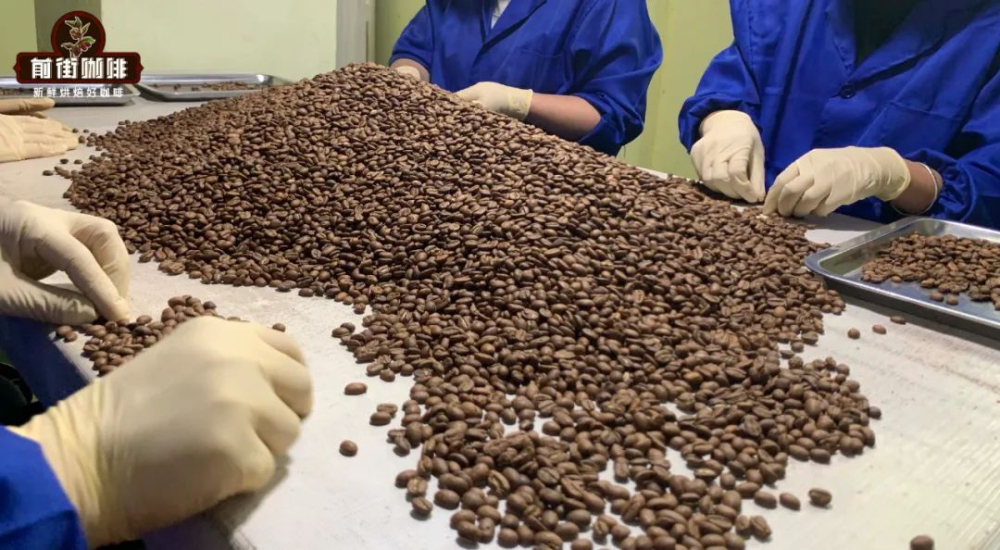
After green bean screening, roasting processes, and post-roast manual sorting, the coffee beans that finally reach consumers have already been rid of major defects recognized by the industry. However, some new conditions may still arise after roasting, such as holes caused by scorching, white tips (underripe beans) that only become visible after roasting, or so-called “false shell beans”—intact in green form but splitting after roasting. Most professional roasters perform a secondary screening after roasting to remove such obvious defects, so the beans received by general consumers are already quite pure. However, transportation may still cause some breakage due to impact, but this has almost no effect on flavor.
Below, we will explore several commonly misunderstood normal bean types to help you view the appearance of coffee beans more rationally.
Peaberry (PB)
Many consumers who encounter peaberries for the first time often curiously pick them out from a bag of flat beans and wonder, “Is this a defect?” In fact, peaberries are not defects. Normally, each coffee cherry contains two seeds (i.e., flat beans), which are flattened on one side because they share space. However, a peaberry forms when one seed is not fertilized, allowing the other seed to receive more nutrients and space, ultimately developing into a round shape on its own.
This phenomenon is mostly caused by genetic or environmental factors and is not an issue of quality. In fact, producing regions such as Kenya and Jamaica even specifically select and sell peaberries separately as specialty products. In other regions, the presence of a few peaberries is completely normal.
Burst Beans: A Natural Phenomenon Under Intense Roasting
Some coffee beans appear cracked after roasting, looking incomplete and easily mistaken for defects. But this is actually caused by the intense release of heat energy during the “first crack” stage of roasting, especially when high-density beans experience a sudden increase in internal pressure due to heat absorption, leading to the beans bursting open. Although their appearance is affected, these beans do not compromise flavor and can sometimes even offer a richer mouthfeel.
Uneven Color: The Impact of Honey Processing and Fermentation
Many consumers, upon seeing coffee beans with varying shades of color, worry that underripe beans (white tips) may have been mixed in. In fact, apart from mechanized large-scale harvesting regions like Brazil, most specialty-producing areas still rely on hand-picking or small-scale mechanical harvesting, emphasizing the picking of only fully ripe red cherries, greatly reducing the likelihood of underripe beans.
In producing regions such as Costa Rica or Colombia, processes like honey processing or anaerobic fermentation are common. These methods can cause some beans to have more sugar adhering to their surface, resulting in varying degrees of caramelization during roasting and thus differences in color shading. Therefore, if you notice significant color variation in a pack of beans, it’s not necessarily a defect, but rather a natural result of the processing method.
Shriveled and Speckled: A Reflection of High-Altitude Light Roasts
The most commonly mistaken-for-defect beans are those that appear shriveled, covered in black patterns or streaks. These beans usually come from high-altitude regions and are lightly roasted. Coffee beans grown at high altitudes are denser, and moisture evaporates quickly during roasting, causing the beans to shrink and form wrinkles. If the roast level is lighter, the beans may not fully expand before being taken out of the roaster, resulting in a shriveled appearance.
This condition does not affect flavor—in fact, it may even preserve more delicate layers. If you prefer smoother bean surfaces, you can extend the roasting time, but this may sacrifice some flavor characteristics.
The above content is compiled by CoffeeHunters, a coffee news website.


