







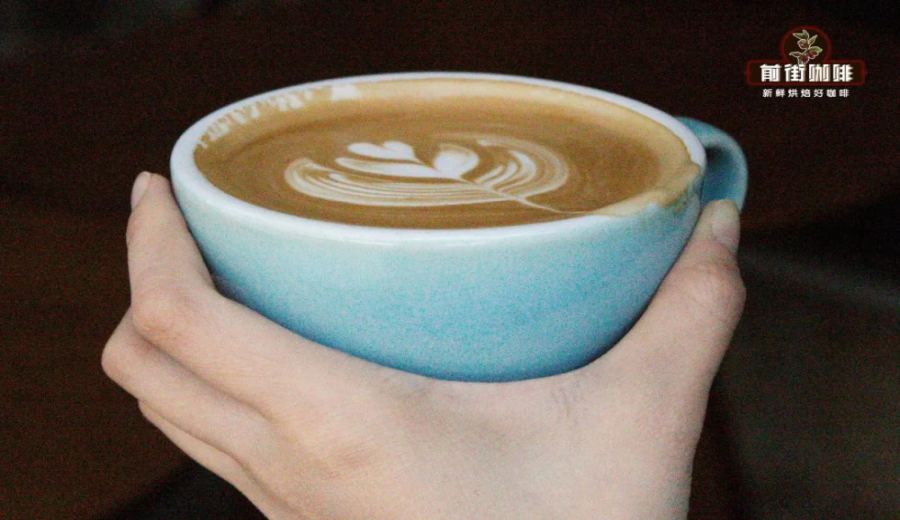
Introduction:To craft an ideal hand-poured hot milk coffee, mastering the temperature of the milk foam is one of the keys. The right temperature not only affects taste and flavor, but is also closely linked to latte art performance and overall stability. This article will delve into the ideal milk foam temperature ranges for both hot lattes and cappuccinos, explore the potential negative effects when exceeding 70℃, and provide practical temperature control techniques and judgment methods—so you can consistently create smooth and comforting milk coffee, whether in a café or at home.
As temperatures drop, hot lattes, cappuccinos, and other warm milk-based coffees become the top choice for many coffee enthusiasts. However, crafting a hot milk coffee with a delicate taste, velvety milk foam, and beautiful latte art requires more than just skill—the control of milk foam heating temperature is also a crucial factor.
Many people assume that the hotter the milk is heated, the better it keeps the coffee warm. In reality, improper control of milk foam temperature not only affects the integration of coffee and milk, but may also lead to the emergence of a milky off-flavor, or even cause latte art patterns to collapse quickly.
Generally speaking,the milk foam for hot lattes and cappuccinos is best heated to between 55~65℃, a range that balances the density of the foam, flavor balance, and latte art stability. Especially withinthe 50~70℃range, the physical properties of milk remain relatively stable, offering the best drinking experience and visual effect.
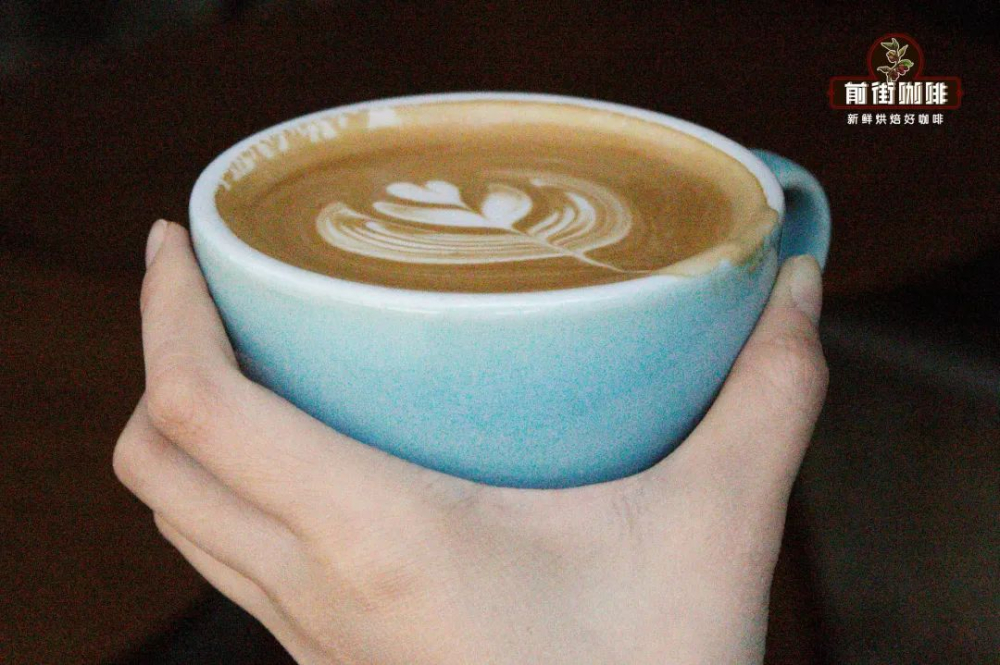
Why is it recommended to keep milk foam temperature between 55~65℃? This range not only allows the milk and foam to fully integrate, but also achieves an optimal balance between temperature and flavor upon drinking. During the heating process, tiny bubbles in the milk mix uniformly with the liquid, forming a stable and dense foam that contributes to the persistence and smoothness of latte art patterns.
If the temperature is too low—for example, below 50℃—the foam may not fully develop its structural support, easily collapsing during latte art, and the overall drink temperature can dissipate rapidly, detracting from the enjoyment.
However, when the milk foam temperature exceeds70℃, the situation changes markedly.High temperatures can damage the protein structure in milk, causing the originally delicate foam to lose its support, drastically reducing stability. This not only creates a noticeable disconnect between the foam and the coffee liquid, but can also make the milk flavor thin, or even bring about burnt or sour notes.
Additionally, due to steam heating, while the temperature of the milk itself rises, the surface foam often experiences a more limited temperature increase. This results in an internal-external temperature difference, making it feel as if the foam and coffee liquid are separated, leading to a rough mouthfeel and quick collapse of the latte art patterns.
Beginners practicing milk foam temperature control can train with both a thermometer and their sense of touch. Usually, when the milk reaches around 40℃, a distinct warmth can be felt. At this point, adjustments to heating time should be made based on steam wand pressure, steam volume, and pitcher capacity.
When your palm clearly feels a burning sensation, it typically indicates the temperature has reachedabove 55℃, serving as a tactile reference point worth remembering. With accumulated experience, seasoned baristas can often heat the milk foam to the target temperature range using just their sense of touch, without frequently relying on a thermometer.
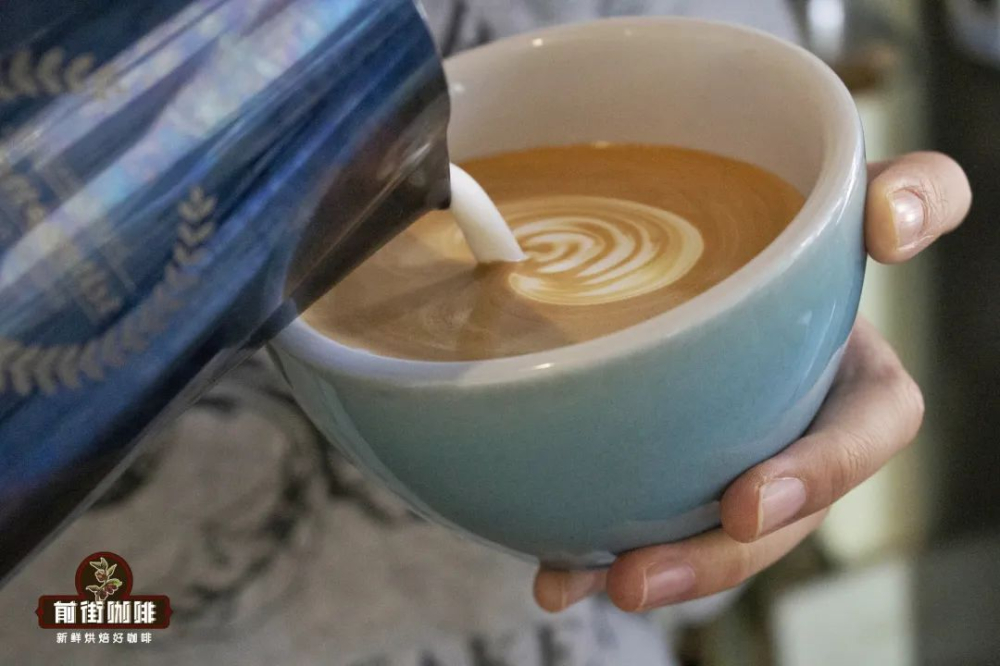
As autumn and winter arrive, and ambient temperatures drop, hot drinks cool down significantly faster. It’s recommended to preheat the cup before pouring—in materials like ceramic with good insulation—to help extend the period during which the beverage remains at its peak flavor.
For hot lattes, many professional cafés heat the milk foam to around65℃, maintaining the heating duration for about 3~5 seconds. Such a setting preserves a warm and smooth drinking experience, while avoiding excessive heat that could mask the subtle flavors of the coffee and milk.
As for cappuccinos, given their characteristic ~1.5~2cm thick layer of foam, drinking emphasizes the dense texture and layered feeling of the foam. Thus, it's recommended to keep the milk foam temperature atbelow 60℃. This not only makes the foaminess more pronounced, but also avoids an overly intense or loss of foam delicacy due to excessive heat.
In summary, although there is some overlap in milk foam temperature control for hot lattes and cappuccinos, slight differences exist based on drink characteristics. Mastering the golden range of 55~65℃, and fine-tuning according to the type of beverage, ensures each cup of hot milk coffee reaches its optimal state—whether for personal enjoyment or served to customers—showcasing professional and refined coffee flavor.
The above content is compiled by CoffeeHunters, a coffee news website.


