







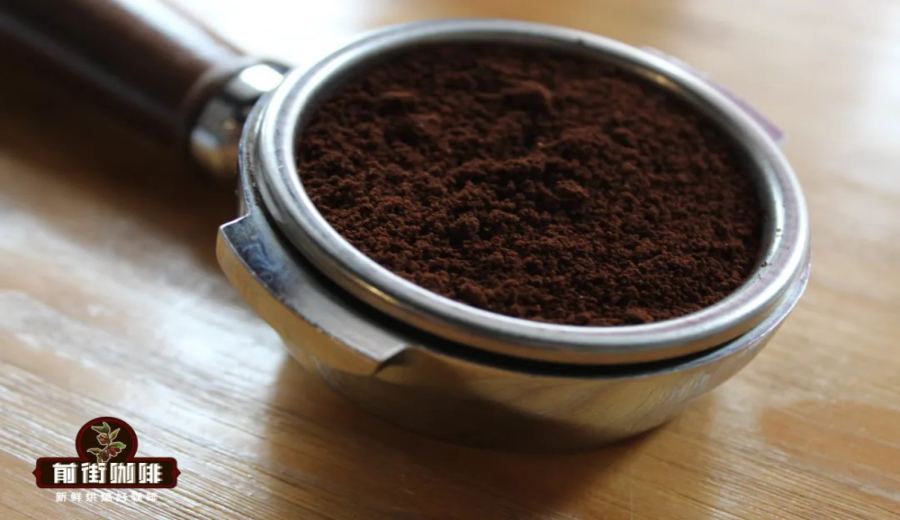
Introduction:When making espresso, whether the coffee grounds are evenly distributed in the puck directly affects extraction stability and flavor expression. High humidity or environments with static electricity often lead to channeling or clumping, causing uneven extraction. The WDT (Weiss Distribution Technique) and needle distributors can effectively address these issues. This article delves into the origins of the WDT technique, how to perform it in practice, and includes real-world test cases to help you master key distribution skills and improve the consistency of your coffee output.
Have you ever encountered unstable extractions, uneven liquid color, or noticeable bitterness and astringency when brewing espresso at home or in a café? These common issues may very well stem from uneven distribution of coffee grounds in the puck. Especially in humid or high-static environments, espresso is more prone to extraction defects caused by channeling or clumping.
To solve these problems, many baristas have started using a technique called WDT (Weiss Distribution Technique), along with specialized needle distributors, to ensure that coffee grounds are evenly distributed in the portafilter basket. This enhances extraction stability and consistency.
WDT was first introduced in 2005 by a coffee enthusiast named John Weiss. At the time, he noticed that when using a home grinder, the coffee grounds often clumped together and were extremely unevenly distributed. To address this, he began using thin metal needles to stir the coffee grounds in the portafilter basket—breaking up clumps, reducing the impact of static electricity, and resulting in a denser, more even bed of grounds, thereby improving extraction quality.
Although initially, most commercial grinders came equipped with static-reducing screens, which helped produce smoother and more even grounds, the WDT method did not gain immediate widespread adoption in the industry. However, with the rise of specialty coffee trends and increasing demands for extraction stability—especially in competitive settings—WDT has become one of the key techniques used by many baristas to elevate performance.
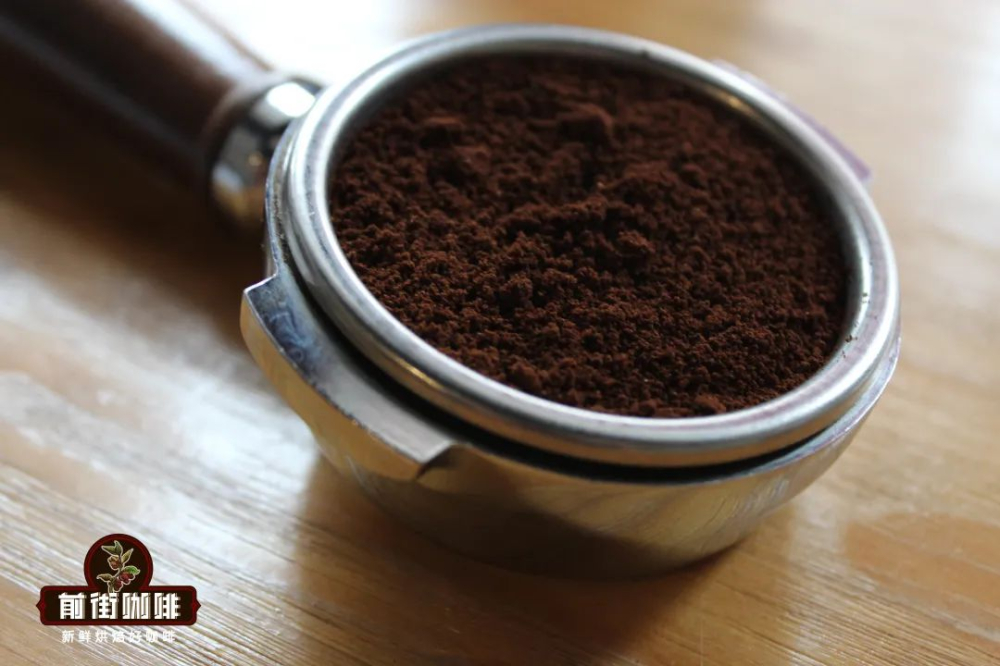
The tools required for WDT are actually quite simple, with the most common being a needle distributor. These tools typically feature metal needles around 1 mm in diameter, and some models have more needles, giving them an appearance similar to a tiny "hedgehog." Their design combines functionality with a touch of fun.
In terms of operation, the first step is to place freshly ground coffee into the portafilter basket—fine grinding is generally recommended to match the high-pressure extraction needs of espresso. Next, insert the needle distributor into the coffee bed and gently stir vertically to break up any possible static clumps, ensuring the coffee grounds are evenly spread across the bottom of the basket and avoiding areas of inconsistent density.
Be mindful of the stirring force and angle—small, vertical movements are recommended. Excessive force may cause coffee grounds to splash or disrupt the initial structure of the coffee bed. Additionally, due to their small contact surface, these needle tools leave almost no residue, making them easy to clean after use.
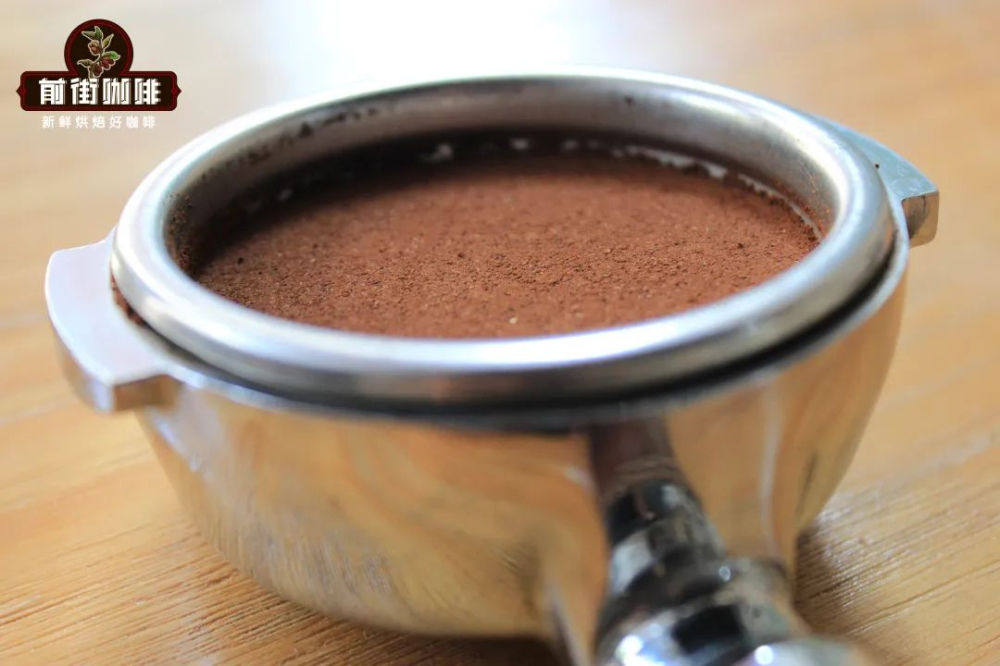
In practical applications, some cafés have conducted comparative tests. Before using a needle distributor, some espresso shots exhibited off-center streams, unstable flow rates in the middle to late stages of extraction, and uneven liquid color—indicating poor puck distribution. After adopting the WDT technique, the extraction stream remained stable, the puck was compressed more evenly, overall flavor expression became more balanced, bitterness was noticeably reduced, and sweetness and aroma complexity were enhanced.
However, it’s important to note that while WDT can significantly improve puck uniformity, in a busy café environment where each shot needs to be prepared quickly, adding the WDT step may slightly extend the overall workflow. For shops prioritizing efficiency, the pros and cons should be carefully considered.
In the future, as distribution tool technology continues to evolve, we may see composite designs that integrate WDT functionality, allowing baristas to maintain efficiency while enjoying more stable extraction quality. These innovative tools will help further streamline the process while improving the consistency of espresso output.
In summary, if you’re aiming for higher-quality espresso at home or in a small shop, trying out WDT along with a needle distributor is a worthwhile investment. Not only does it improve puck uniformity, but it also helps stabilize extraction and elevate overall flavor performance, bringing each cup of coffee closer to its ideal state.
The above content is compiled by CoffeeHunters, a coffee news website.


