







Introduction:During the National Day Golden Week, the new-style tea beverage market experienced a sales peak, with some popular stores seeing an increase in sales of up to 500%. Fresh fruit tea accounted for nearly 80% of total sales. This article delves into the sales data, supply chain strategies, and pricing adjustments of brands such as Heytea and Nayuki, exploring why fresh fruit tea has become a consumer hotspot and the future development trends of the tea beverage industry.
During the National Day holiday, the new-style tea beverage market saw a wave of consumption enthusiasm. Observations indicate that sales at some leading stores of brands like Heytea and Nayuki surged nearly threefold compared to pre-holiday levels, with individual popular stores even achieving astonishing growth of 500%. Among the various products, fresh fruit tea contributed to nearly 80% of sales, becoming the consumers’ favorite choice.
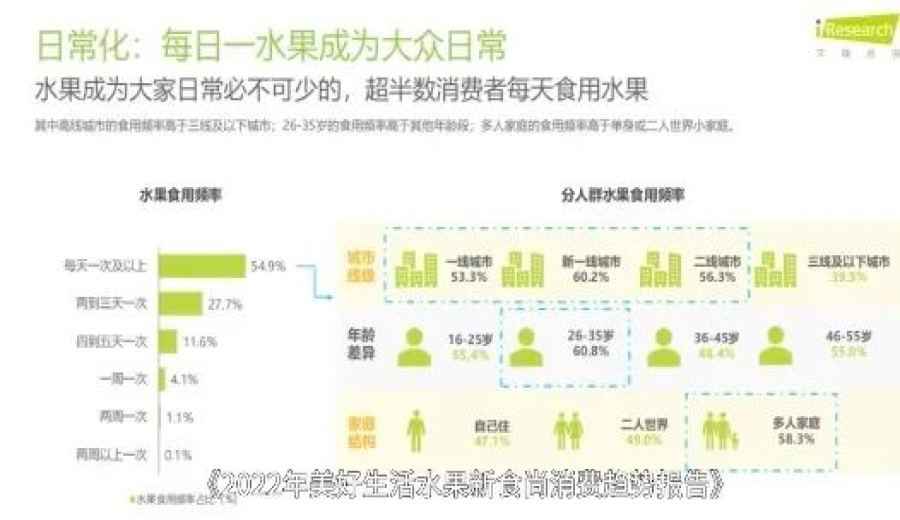
Data shows that fruit tea not only performed exceptionally well in sales volume, but also in raw material consumption. For example, at some Heytea stores, the daily fruit consumption during the holiday reached up to 400 kilograms, with fruits like grapes, peaches, and plums—due to high demand from popular products—requiring processing of over 200 jin in peak periods. This phenomenon reflects that fresh fruit tea has gradually become an important part of young consumers’ daily beverage choices.
To ensure the high quality and stable supply of fresh fruit tea, Heytea has established its own demonstration bases in multiple regions, including a perfume lemon base in Guangdong, a Fuping persimmon base in Shaanxi, a Kyoho grape base in Liaoning, and a Sunshine Rose green grape base in Hubei. These bases not only guarantee the quality of the fruits but also provide a solid backbone for the brand’s sales surge during the holiday period.
Meanwhile, Nayuki Tea has also achieved notable success in new product launches. Multiple new products launched in late September continued to sell well, especially during the National Day period, with cumulative sales approaching one million cups. Among them, Nayuki’s Duck Shit Aroma Lemon Tea (bottled tea), launched on September 28, achieved cumulative sales of nearly 4 million bottles in just the South China region, demonstrating strong market response.
In terms of pricing strategy, Heytea took the lead in announcing price reductions for some products, including a drop of 3 to 5 yuan for pure teas, 2 to 3 yuan for five fruit tea varieties, and 1 yuan for cheese teas. The brand also pledged not to launch any drinks priced above 29 yuan within the year and ensured that existing product prices would not increase. Subsequently, Nayuki followed suit, committing to launching one new product under 20 yuan each month, further reinforcing its brand positioning of ‘high cost-performance.’
Industry analysts point out that the price reduction strategy of high-end tea beverage brands is, on the one hand, a ‘dimensionality reduction strike’ against mid-to-low-end brands, and on the other hand, reflects how the tea beverage market, having entered a stage of stock competition, sees brands attempting to attract a broader consumer base through price concessions, aiming to achieve thin profit and high sales volume.
Notably, many cities advocated for ‘local holiday celebration’ during the National Day period, which also boosted local consumption. Foot traffic at Heytea stores significantly increased, with some locations experiencing order backlogs during peak hours. For instance, multiple stores in Shenzhen, Shanghai, and Guangzhou had over 100 tea beverages waiting to be prepared in the afternoon of October 4.
Additionally, consumers are placing increasing importance on the transparency of the beverage preparation process. Heytea stores have set up ‘fruit transparency windows’ where customers can directly observe the staff’s handling of fruits, including steps like peeling and mashing. This transparent operation method not only increases consumer trust but also becomes a unique selling point that attracts customers to the brand.
Overall, this National Day holiday not only drove consumption growth in multiple regions but also revealed consumer trends favoring healthy, high-quality, and high-cost-performance tea beverages. In the future, the new tea beverage industry will continue to focus on product innovation, supply chain optimization, and enhancing the consumer experience to meet ever-changing market demands.
The above content is compiled by CoffeeHunters, a coffee news website.


