







Introduction:Starbucks China has officially surpassed 6,000 stores nationwide, with Shanghai becoming the world’s first city to host 1,000 Starbucks locations. The 6,000th green-store has opened on Huaihai Road in Shanghai, debuting a limited-edition drink inspired by local Shanghainese culture — “Shanghai Coffee.” This article details the flavor profile of this new offering, highlights of the store’s design, and Starbucks’ expansion strategy and challenges amid market competition.
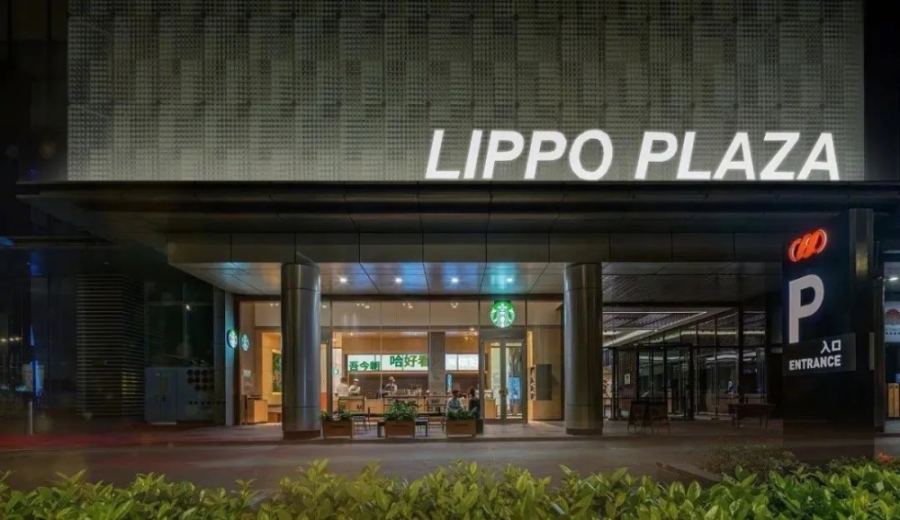
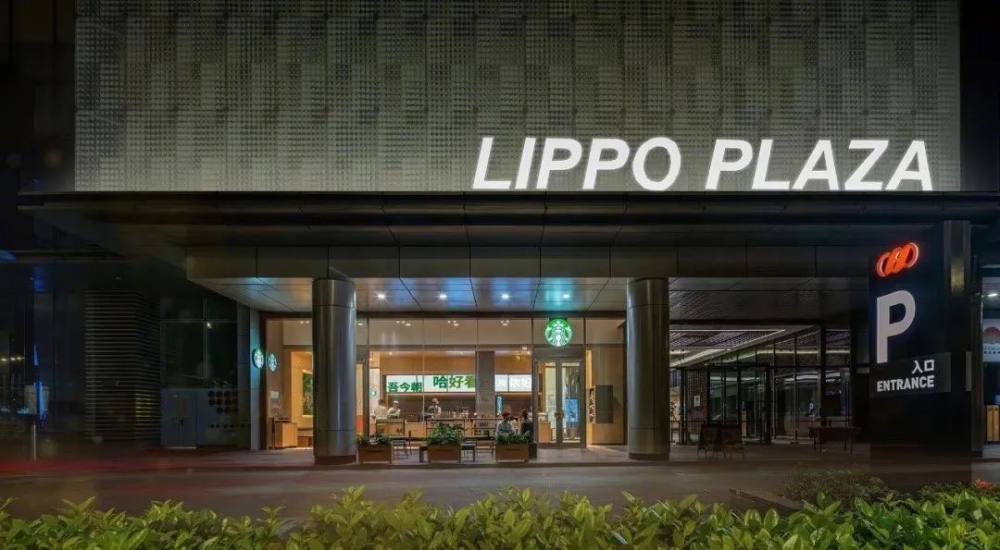
Starbucks China recently announced that its mainland China store count has officially reached 6,000, with Shanghai becoming the first city globally to surpass 1,000 Starbucks outlets. This milestone reflects the brand’s deep cultivation in the Chinese market, and the 6,000th store is located at Lippo Plaza on Shanghai’s Huaihai Road, making its debut with an eco-friendly green store concept.
This store, which holds special significance, is not only the 6,000th Starbucks outlet in mainland China but also certified as a green store, showcasing the brand’s commitment to sustainability. It fully adopts innovative solutions in sustainable retail and digital operations, reflecting Starbucks’ in-depth exploration of the future form of the "third place."
Meanwhile, in collaboration with IP SHANGHAI, Starbucks launched its first city-themed limited-edition beverage — “Shanghai Coffee,” which went on sale across Shanghai on September 28. The inspiration for this drink comes from Shanghai’s unique Shanghainese culture, blending Eastern and Western culinary elements to create a distinctive taste experience.
According to reports, the flavor layering of “Shanghai Coffee” is thoughtfully designed:First sipdelivers a rich sense of nostalgia reminiscent of the malted milk powder popular in old Shanghai;Second sipfeatures a whipped foam made with scotch biscuit, offering buttery aroma and toasted caramel notes that enrich the overall texture;Third sipreveals the core flavors of a finely extracted espresso, elevating the drink with a soulful boost.
The design concept of this new store is defined as “returning to our roots while looking to the future.” Its overall style is light and bright, retaining Starbucks’ familiar warm ambiance while integrating innovative elements. The most eye-catching feature inside is an artwork created on recycled green aprons, featuring Starbucks’ iconic siren emblem in graceful display — conveying the brand’s classic image.
Exploring further into the store space, one can find many thoughtfully designed details: a giant “cup wall” resembles a miniature urban cup museum, where each displayed city-themed cup carries memories from different phases of Starbucks’ journey, documenting the brand’s growth footprint in the Chinese market. These designs not only beautify the space but also strengthen the emotional connection between customers and the brand.
Over the past decade, Starbucks’ store count in mainland China has grown nearly tenfold, making the Chinese market its second-largest globally after the United States. According to relevant reports, Shanghai — home to the highest number of cafes in the world — now has nearly 8,000 coffee shops, 1,000 of which are Starbucks outlets, demonstrating strong market performance.
Notably, competition in Shanghai’s coffee market is intensifying, with around 20 international brands, including Canada’s Tim Hortons, Italy’s LAVAZZA, America’s Peet’s Coffee, and Blue Bottle Coffee, all choosing Shanghai as their preferred entry point into the Chinese market. Starbucks’ decision to unveil this important milestone in Shanghai, where its first China store was located, holds special symbolic meaning.
At a recent global investor conference, Starbucks unveiled its “China Strategy Vision 2025”: aiming to open 3,000 new stores over the next three years — one every nine hours — bringing the total to 9,000 stores across 300 cities in China. This expansion plan is expected to add 35,000 new employees, bringing the total workforce to over 95,000, and to double net revenue and quadruple operating profit.
However, facing fierce market competition, Starbucks must address challenges on multiple fronts. The coffee market has now clearly formed three tiers: the first tier consists of national chain brands such as Starbucks, Luckin, and Manner; the second tier includes strong regional brands; and the third tier is made up of numerous independent coffee shops. Among them, Luckin has over 7,000 stores, with relatively affordable pricing, focusing mainly around the ¥20 price range, while brands like Manner also maintain an average price level of about ¥20.
With the clear trend of market penetration into lower-tier cities, even premium-focused tea brands like Nayuki and Heytea have adjusted strategies in the first half of this year, lowering product prices below ¥20 and announcing they will no longer launch new items priced above ¥30. In such a market environment, how Starbucks can maintain its brand identity while meeting the needs of diverse consumer segments will be key to its future development.
Starbucks China has stated that it plans to double the current 2,500 “Starbucks Delivers” locations (covering offices, hotels, and other venues) to 5,000 by 2025, to more comprehensively cover various consumer life scenarios. As Starbucks China CEO Belinda Wong said: “We cherish the close connections we’ve built with every customer and will continue to innovate products and service experiences, exceeding expectations and earning even more support.”
The above content is compiled by CoffeeHunters, a coffee news website.


