







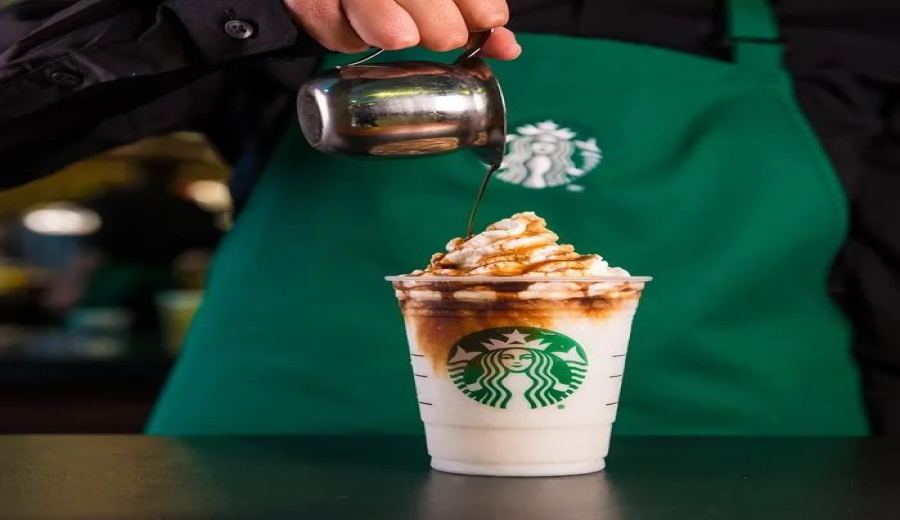
Introduction:As Starbucks' iced beverage sales exceed 70% of total revenue, with Frappuccinos emerging as the top-selling item, the brand has sparked discussions around its transformation. The introduction of the automated Siren System has reduced preparation time to just 36 seconds, but it has also significantly decreased opportunities for baristas to interact with customers. This article delves into the reasons behind the rise of Frappuccinos, the pros and cons of automation, and how Starbucks is striving to strike a balance between efficiency and the coffee experience.
In a recent investor briefing, Starbucks revealed that iced beverages now account for over 70% of total sales, with Frappuccinos leading the cold drink category. To meet the surging demand for iced drinks, the brand launched the Siren System, which has drastically cut the preparation time for a Mocha Frappuccino from 87 seconds and 16 steps down to just 36 seconds and 13 steps, marking a significant boost in overall efficiency.
Since its launch, the Frappuccino has successfully attracted non-coffee drinkers with its frosty, slushy texture and diverse flavor options. Alongside regular caffeinated versions, decaffeinated choices are also available to cater to varied consumer preferences. Teams across different countries have further customized offerings with vibrant colors and eye-catching designs based on local tastes, further solidifying its dominance in the cold beverage market.
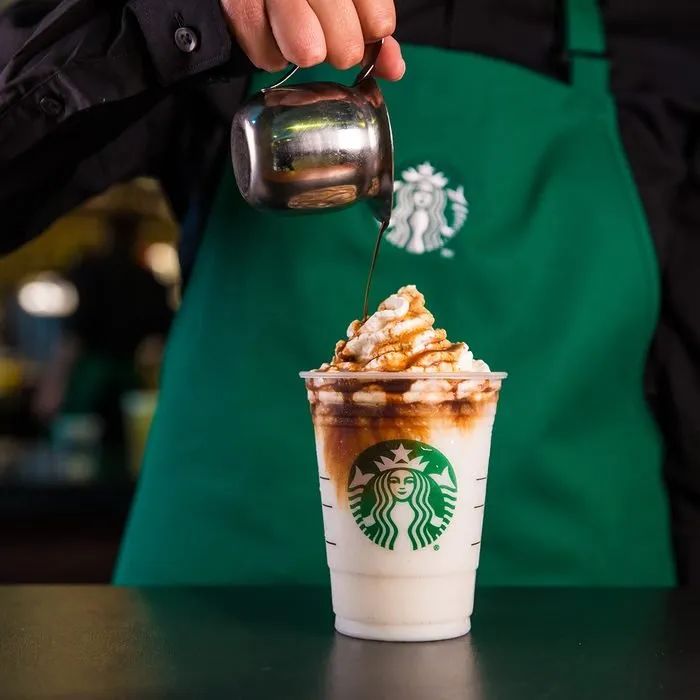
However, as products have grown more complex with numerous preparation steps, baristas face immense pressure during peak hours. The increasing order volume not only prolongs customer wait times but also reduces opportunities for interaction between baristas and customers—a key source of frustration for many partners. A significant number of baristas have chosen to leave their roles due to the demanding, low-interaction work environment.
To address these challenges, Starbucks introduced the Siren System, equipped with dedicated ice and milk dispensers and upgraded stirring mechanisms with higher rotation speeds, greatly enhancing overall serving efficiency. Beyond Mocha Frappuccinos, the preparation time for other iced drinks is also expected to be halved, allowing baristas to dedicate more time to customer service or preparing other beverages.
Yet the introduction of the new system has also stirred controversy. Some baristas argue that if automation continues to advance, even basic operations may eventually be handled entirely by machines, reducing baristas to mere button-pushers and cup-fillers—further eroding Starbucks’ much-touted “partner culture.” Moreover, more complex equipment entails higher maintenance and cleaning costs, and any malfunctions could actually hinder overall service efficiency.
Some employees also lament that Starbucks is increasingly focusing on easily customizable products like Frappuccinos and cold brews, while opportunities to prepare and present traditional espresso-based drinks are becoming rarer. For staff hoping to learn professional coffee skills at Starbucks, the current training content is often difficult to apply in the practical operations of independent cafés, leaving many coffee-loving partners feeling disheartened.
Beyond market demand, Starbucks’ emphasis on Frappuccinos and cold brew also stems from the high versatility of these two product categories. As crushed-ice-based beverages, Frappuccinos can be easily paired with various flavored syrups, whipped cream, or fruit purees, offering rich layers of flavor and visual appeal. In contrast, traditional espresso-based drinks have a narrower range of adjustability, often relying on syrups for variation and featuring limited changes in appearance.
Cold brew, known for its smooth and refreshing profile, has become a summer favorite and can also be combined with various ingredients to create unique flavored specials. Whether as the main feature or a supporting element, it delivers a diverse range of tastes that attract consumers seeking novel experiences.
Additionally, with the growing proportion of delivery orders, iced drinks are less affected by delivery time compared to hot coffee, making them star products in the takeaway service. According to Starbucks’ global strategy, the brand will continue to enhance convenient services such as delivery and drive-thru, while using automated equipment to ensure consistent beverage quality—further elevating the customer experience.
Facing millennial and emerging middle-class consumer groups, Starbucks understands that they not only prioritize health but also value visual appeal and interactive experiences. Whether the brand can balance improved efficiency with the preservation of coffee culture will be a key challenge for its continued growth.
The above content is compiled by CoffeeHunters, a coffee news website.


