







Introduction:Single Origin Espresso (SOE), with its distinctive regional flavors, has become a focal point of interest among specialty coffee enthusiasts in recent years. This article delves into the definition, characteristics, and suitable beverage applications of SOE. It also provides a detailed breakdown of extraction parameters and practical brewing steps, illustrating through examples how to craft a balanced and layered coffee experience. It helps readers master key techniques from espresso to iced latte.
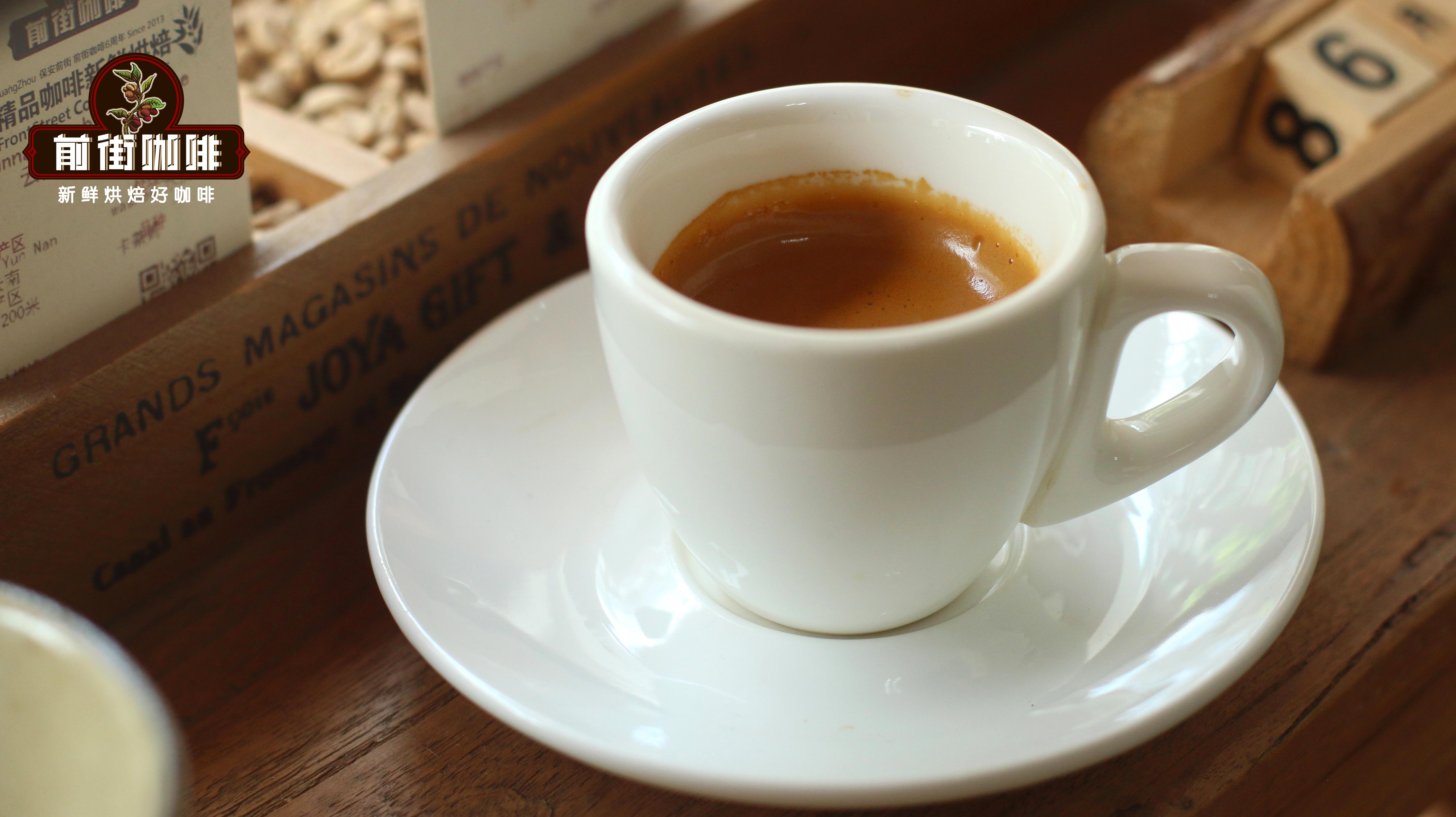
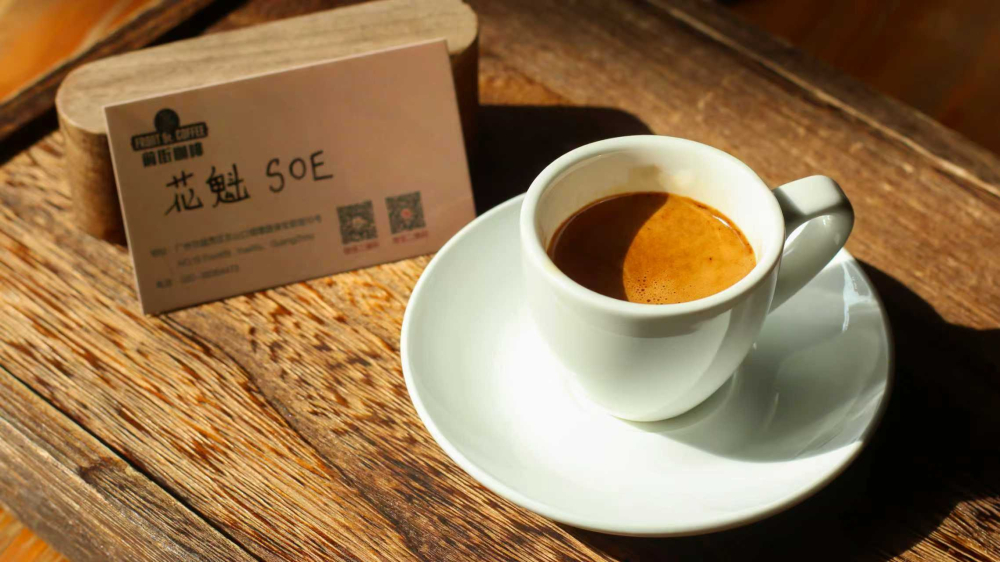
Single Origin Espresso (SOE, Single Origin Espresso) is a type of coffee made from beans sourced from a single origin region, extracted using high-pressure espresso machines. Unlike common blended beans, SOE emphasizes showcasing the native flavors of a specific origin and demands higher technical skills from both roasters and baristas. This type of coffee has gradually gained attention in recent years and has become an entry point for exploring the deeper flavor profiles of coffee.
With the popularization of specialty coffee culture, many consumers are no longer limited to traditional espresso blends or pour over coffee. SOE espresso has emerged as a new favorite. But is SOE worth trying? How does its flavor differ? These questions will be answered one by one in the following content.
As the name suggests, SOE refers to espresso made using coffee beans from the same origin. However, such beans are not necessarily synonymous with premium or expensive specialty beans—the key lies in whether the selection highlights the typical characteristics of that origin. Because espresso machines extract flavors intensely under high pressure, using single-origin beans with distinct flavor profiles often results in a more three-dimensional taste.
However, SOE is not everyone’s first choice. Since the characteristics of single-origin beans are more pronounced, their extraction stability is generally lower than that of blends, posing a greater challenge to baristas. Factors such as roast level, grind size, water temperature, and pressure all influence the final flavor profile. Additionally, annual climatic variations in the origin can cause fluctuations in the bean's flavor, so careful consideration is required when selecting beans and adjusting parameters.
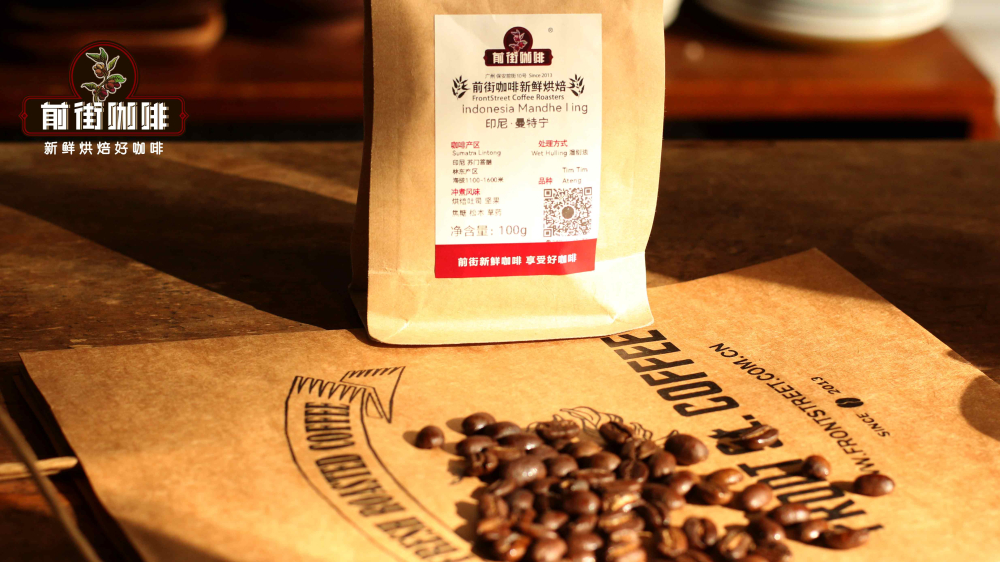
For example, Ethiopia’s Hambela Gewecha SOE often exhibits prominent notes of berries, black tea, and subtle floral aromas; Brazil’s Queen Estate beans present profiles of cream, peanuts, chocolate, and toasted bread; for those who prefer lower acidity, Indonesian Mandheling is a great option, with flavors dominated by herbal notes, pine, chocolate, and caramel—rich and full-bodied with intense aroma.
The challenge with SOE lies in the fact that although it originates from specialty coffee principles, it is still presented through espresso extraction. This means that its extraction parameters must be individually adjusted for each type of bean. Compared to traditional blends, aspects such as extraction time, grind size, coffee dose, and coffee-to-water ratio for SOE all require more precise control to fully showcase its unique regional characteristics.
Many specialty coffee shops have begun offering SOE options. Although some shops still prioritize blends for reasons of stability, an increasing number of consumers are drawn to the fruity tones or bright acidity that SOE offers. One coffee shop this year also launched specially roasted Ethiopian Hambela Gewecha and Konga SOEs for customers who prefer fresh and vibrant flavors, allowing them to choose based on personal taste.
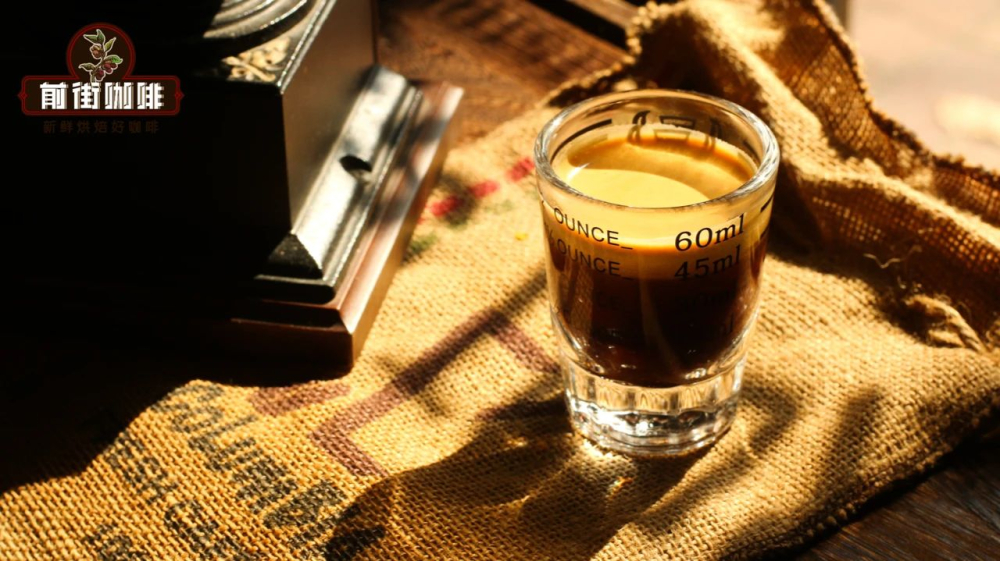
When it comes to drinking methods for SOE, whether making iced Americano, hot Americano, or latte, adjustments can be made according to taste preferences. However, because SOE flavors are bold, it is recommended to reduce the proportion of milk or water to highlight the layered characteristics of the coffee itself. For Ethiopian Hambela Gewecha SOE, the standard extraction parameters are suggested as follows: 20 grams of coffee grounds, yielding 40 milliliters of espresso, with an extraction time controlled between 25 to 30 seconds, using a Fama 900N grinder set to approximately #1.7 grind size.
The flavor profile of this SOE includes citrus, creamy strawberry, dried mango, and slight fermentation notes. The body is thick, the acidity is medium to high, and the bitterness is moderate. The espresso brewed with these parameters—whether used for iced Americano or hot Americano—can present rich fruity tones. Upon tasting, you can clearly perceive the bright notes of citrus, berries, and black tea, making it fresher and more layered compared to traditional Americanos.
When making iced Americano, it is recommended to add 120 grams of ice cubes and 120 milliliters of room-temperature water, then pour in 40 milliliters of espresso. For a hot drink, replace the ice and cold water with 180 milliliters of hot water. If making an iced latte, mix 100 grams of ice cubes with 150 grams of fresh milk, then add 40 milliliters of SOE espresso. For a hot latte, use 40 milliliters of espresso as the base, add 200 milliliters of fresh milk, froth to create fine microfoam, then blend everything evenly and finish with latte art.
Through the above methods, you can create SOE coffee beverages that are both well-balanced and uniquely expressive. Whether you're aiming for bright fruity notes or a rich, full-bodied texture, mastering the correct extraction and blending techniques will allow you to discover a different coffee experience through SOE.
The above content is compiled by CoffeeHunters, a coffee news website.


