







Introduction:The 2022 World Barista Championship (WBC) and World Brewers Cup (WBrC) are set to take place in Melbourne. As major events in the global specialty coffee industry, these competitions not only showcase top-tier skills but also spark deep reflection among participants on scoring systems, judge selection, event themes, and gender inclusivity. This article will take you through the highlights of the competitions and, through the voices of past champions and competitors, explore how to build a fairer and more transparent competitive environment in the future.
The 2022 World Barista Championship (WBC) and World Brewers Cup (WBrC) will be held simultaneously in Melbourne, Australia from September 27 to 30. Organized by World Coffee Events (WCE), these two events are among the most representative international competitions in the specialty coffee field, attracting top baristas from around the globe each year to demonstrate exceptional coffee skills and innovative thinking.
The World Barista Championship (WBC) focuses on the creation of creative beverages based on espresso. Each contestant is required to prepare four servings of three different types of coffee within 15 minutes: espresso, milk beverage (typically a cappuccino), and a signature beverage. The drinks are evaluated by four sensory judges and one technical judge, who assess overall flavor, technical execution, creativity, and the overall experience.
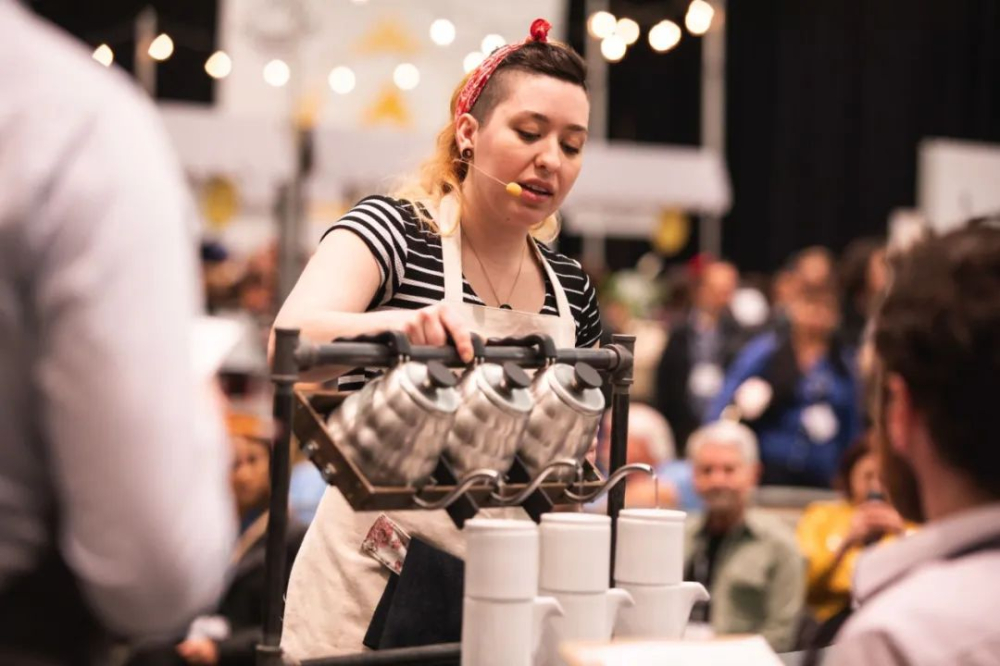
As for the World Brewers Cup (WBrC), it emphasizes the artistry of pour over coffee and highlights the potential of single-origin coffee beans. The competition is divided into two rounds: the prescribed brew, where contestants use coffee beans provided by the event, and the open service, where contestants select their own beans. Each round requires brewing three cups for judges to evaluate. Notably, in the open service round, contestants can enhance the storytelling of the coffee’s flavor through performance, allowing judges and audiences to better connect with the narratives and details behind the coffee.
Several past champions and experienced competitors have recently spoken out about the challenges and areas for improvement in the evolution of these competitions. Pete Licata (2013 champion), Agnieszka Rojewska (2018 champion), Jooyeon Jeon (2019 champion), and British competitor Maxwell—who reached the WBC finals three times—have all pointed out that there is still room for progress in scoring transparency, judge selection, theme design, and gender diversity.
Pete Licata noted that over the past decade, the specialty coffee industry has expanded rapidly, but competition scoring has gradually introduced some hard-to-quantify expectations, such as in-depth knowledge of origin or familiarity with rare market information, which can overshadow the demonstration of fundamental barista skills. "The WBC should be a competition focused on barista professionalism, not a test of who knows the most obscure coffee facts," he said. He pointed out that although competition rules are adjusted yearly, the overall structure and scoring logic remain rigid, making it difficult for newcomers or those with unconventional styles to compete fairly.
Maxwell further called for greater transparency in the scoring system. He admitted that at the beginning of his competition journey, he believed the WBC would be more objective and fair than most, but found in practice that scoring criteria often lacked clear standards. "Scores seem to rely more on judges’ subjective feelings rather than consistent technical or flavor evaluation metrics." He suggested that judges disclose individual scoring details, which could not only increase the credibility of the competition but also help contestants understand their performance and thus improve the overall quality of the event.
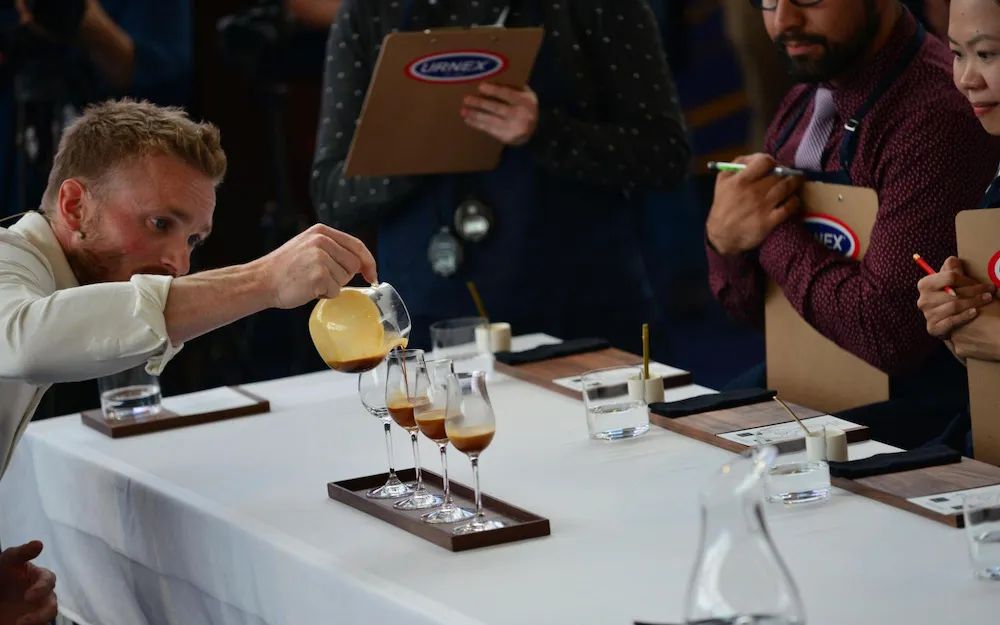
Regarding judge selection, both Pete and Maxwell agreed that the current process lacks transparency and external oversight, leading some competitors to question the professional qualifications and scoring fairness of judges. "Some judges may lack practical experience similar to that of the contestants, yet have a critical impact on final scores," they emphasized. They stressed that establishing a more transparent and standardized judge training and evaluation system is key to ensuring fair competition.
In addition, the setting of competition themes has also sparked discussion. Pete pointed out that in recent years, many contestants have sought assistance from research institutions to strengthen their presentations with extensive data. "But such informational advantages shouldn’t be the key to earning extra points—it’s unfair to those who win through creativity and hands-on experience." He believes innovation and research should be treated separately, giving contestants from different backgrounds equal opportunities to shine.
Gender and ethnic diversity are also focal concerns for competitors. The list of past WBC champions has long been dominated by male and white contestants, until Polish barista Agnieszka Rojewska won the first female championship in 2018, followed by Korean Jooyeon Jeon as the second female winner in 2019. Agnieszka admitted that the low number of female participants inherently makes winning seem less likely. "But that doesn’t mean women aren’t competitive—it reflects structural barriers in participation and resource allocation." She pointed out that many female competitors face issues like insufficient funding and sponsorship, affecting preparation and training quality. She called on event organizers and the industry to provide more support to ensure equal opportunities for contestants from diverse backgrounds.
In summary, the WBC and WBrC are not just arenas for skill competition, but also important platforms for advancing specialty coffee culture and professional development. The reform suggestions put forward by competitors—including improving scoring transparency, disclosing judge selection criteria, refining theme design, and strengthening gender inclusivity—are key directions for making future competitions fairer, more diverse, and more professional. These discussions not only pertain to the competitions themselves but will also influence the global development of the barista profession and the deepening of specialty coffee culture.
The above content is compiled by CoffeeHunters, a coffee news website.


