







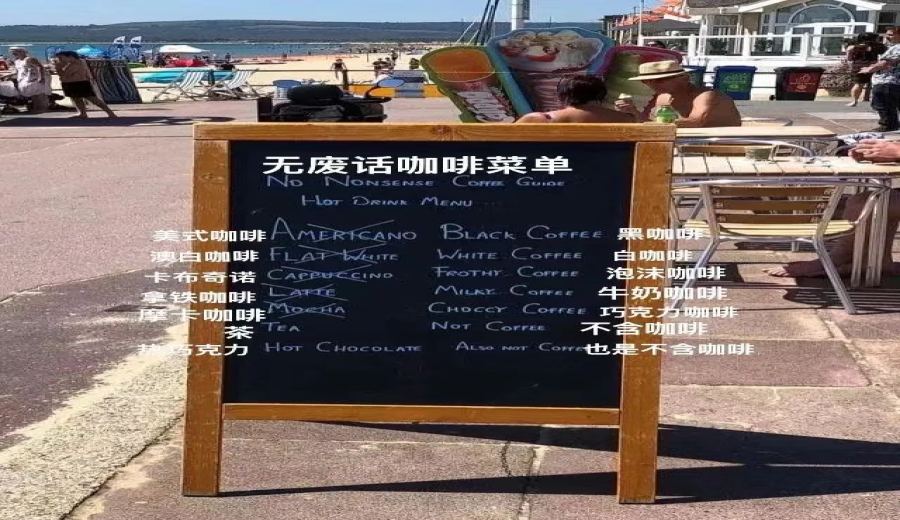
Introduction:Ever walked into a café for the first time and felt overwhelmed by the dazzling array of drink names on the menu? A matcha latte doesn’t actually contain any coffee, and an Americano has nothing to do with America—these names all have their own stories behind them. This article explores both the cultural and technical aspects of nine classic coffee types: espresso, americano, latte, cappuccino, flat white, dirty coffee, mocha, hand drip, and cold brew. We’ll dive into their definitions, origins, flavor profiles, suitable audiences, and also include practical tips like choosing beans for hand drip and cold brew parameters, so you can order with more confidence next time.
Ever stood in front of a café menu, staring at those unfamiliar coffee names and hesitated to order? A matcha latte contains not a single drop of coffee, and an Americano has nothing to do with beauty or scenery. These seemingly quirky names are actually steeped in rich coffee culture and history. This article will take you through the cultural background and technical principles, introducing in detail the nine most common types of coffee found in cafés around the world: espresso, americano, latte, cappuccino, flat white, dirty coffee, mocha, hand drip, and cold brew. We’ll help you understand their definitions, origins, flavor characteristics, and suitable drinking occasions—whether you prefer a bold milky coffee or a clean black coffee, you’re sure to find the one that suits you best.
Let’s start with the most basic type: 'espresso'. This coffee originated in Italy, and its name comes from the Latin word 'exprimō', meaning 'to press out'. Some scholars believe its meaning is close to the English word 'express', referring to a quick and exclusive extraction method. During the Industrial Revolution in the 19th century, Italians used steam pressure to force hot water through finely ground coffee quickly, creating a thick, highly concentrated coffee liquid. Today, most espressos on the market are made with blends to ensure consistent flavor and cost control, but more and more shops are offering single-origin SOEs (Single Origin Espresso) for more layered flavors. A standard shot of espresso is about 15–40 milliliters, extracted under high pressure without dilution, and topped with a golden layer of crema. It has a strong, intense flavor and serves as the base for many milk-based coffees.
An 'americano' is made by diluting espresso with hot water. It’s said to have originated during World War II when American soldiers couldn’t handle the strong taste of Italian espresso, so they added water to tone it down. The original English name, Americano, literally means espresso with added hot water. It retains the original aroma of coffee but with a milder concentration, making it suitable for those who enjoy coffee but don’t want something too intense. The great thing about an americano is that you can adjust its strength to your personal taste—it’s a very flexible base coffee.
A 'latte' (short for Caffe Latte or Coffee Latte), often simply called 'latte' in Taiwan, literally means 'coffee + milk'. In Italian, 'latte' means 'milk', so Caffe Latte simply refers to the combination of coffee and milk. Though we’re used to thinking of lattes as milky coffees, not all lattes contain coffee—for example, a 'green tea latte' is completely caffeine-free. Traditionally, a latte is made with a shot of espresso and steamed milk, with a delicate layer of foam on top when served hot. The balance of milk and coffee aromas and its smooth, creamy texture make it a popular choice for coffee beginners.
A 'cappuccino' is another wildly popular milk coffee. Its name comes from the Italian word 'Cappuccio', meaning 'hood' or 'head covering'. Legend has it that it was inspired by the brown hoods worn by monks of the Capuchin order in Catholicism. When steamed milk is poured over espresso and spooned into a shape resembling the pointed hood, the drink gets its name. Cappuccinos are known for their thick, velvety foam, with a coffee-to-milk-to-foam ratio of about 1:1:1. The overall texture is rich and layered, making it a favorite among those who love the feel of foam.
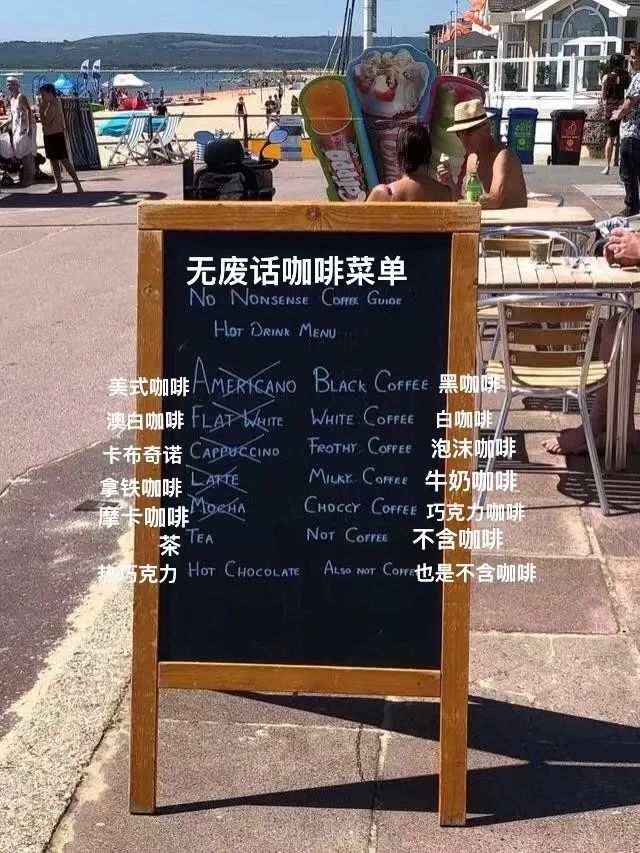
The 'flat white' is a coffee that has gained global popularity in recent years, originating from Australia and New Zealand. Its exact birthplace is still debated, but the common thread is that it uses less foam and milk than a latte, allowing the coffee flavor to shine more prominently. Typically, a flat white is made with a single or double shot of espresso, paired with a small amount of thin, velvety microfoam—the foam is usually about half as thick as that of a latte. This results in a more focused coffee flavor and a smoother, finer texture. If you prefer a stronger coffee taste but don’t want to completely give up the creaminess of milk, a flat white is a great choice.
A 'dirty coffee' is a type of iced coffee that has become popular in recent years. Its biggest feature is that it’s not stirred, resulting in distinct layers and an intense coffee flavor. The name comes from the visual effect of the dark espresso ‘dirtying’ the pure white milk, creating a striking contrast between the dark and light layers. Dirty coffee is typically served in a glass filled with ice and cold milk, then the hot espresso is poured directly in. The temperature difference creates a natural gradient, and the crema from the espresso floats on the milk, delivering a bold and dynamic tasting experience. When drinking a dirty coffee, it’s recommended not to stir it, so you can enjoy the gradual shift in flavor—from strong to mild, and dark to light.
A 'mocha' (or mocha coffee) is a classic beverage that combines coffee and chocolate. Its name originates from the port of Mocha in Yemen, which was the main hub for exporting coffee to Europe in the 16th century. At the time, all coffee exported from this port was labeled 'MOCHA', and over time Europeans began using this name to refer to coffee with this special flavor. Modern mochas are made by adding dark cocoa or chocolate to espresso, resulting in a rich, sweet flavor that’s a hit with those who have a sweet tooth. Many commercial mochas also include whipped cream or syrup to further enhance the flavor profile.
'Hand drip coffee' (手沖) is a method of brewing coffee through drip filtration. It was first invented in the early 20th century by a German woman named Melitta, who used blotting paper as a filter—accidentally producing a cleaner, more layered cup of coffee. Over time, hand drip evolved into a brewing method that highlights the unique characteristics of single-origin coffee beans. It not only preserves the original flavors of the coffee but also allows for adjustments in grind size and water temperature based on personal preference. Hand drip coffee typically offers a cleaner, brighter flavor, with pronounced acidity and sweetness, making it ideal for those who enjoy savoring the nuances of coffee. When choosing beans for hand drip, it’s suggested that light roasts can highlight fruity acidity—African beans are great for that, while Central American beans suit those who prefer gentler acidity. Southeast Asian or island beans are better for those who enjoy a fuller body with less acidity. Remember, the price of coffee beans isn’t everything—what suits your taste is the best.
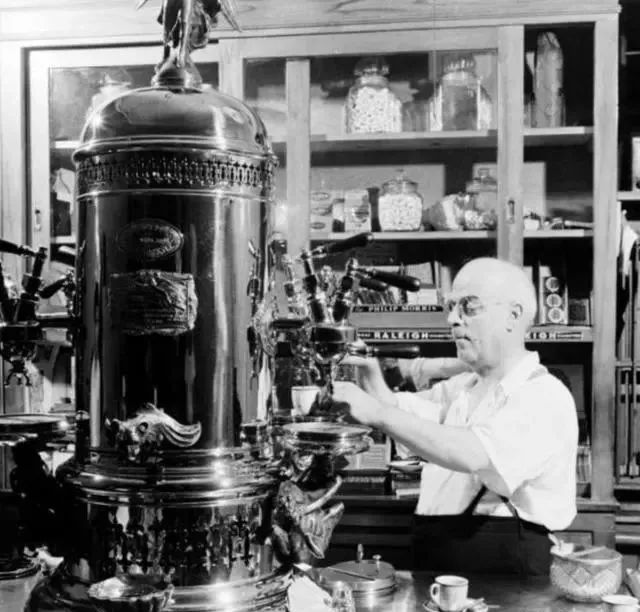
Finally, let’s talk about 'cold brew and ice drip coffee' (冷萃 / 冰滴). These types of coffee are brewed at low temperatures over a long period, typically taking 12 to 24 hours, so they often contain higher caffeine levels than hot-brewed coffee—making them great for when you need a pick-me-up. Because there’s no heat involved in the cold brew process, fewer bitter compounds are released, resulting in a smoother, cleaner, and more rounded flavor, especially enjoyable in the summer. Legend has it that the idea for ice drip coffee came from Dutch sailors who, lacking hot water during tropical voyages, devised a method of cold water extraction. While the story may be embellished, it does reflect the long history of cold brew coffee. Whether you choose cold brew or ice drip, it’s recommended to use freshly ground coarse coffee beans, and pay attention to water quality and brew ratios to achieve the best flavor.
The above content is compiled by CoffeeHunters, a coffee news website.


