







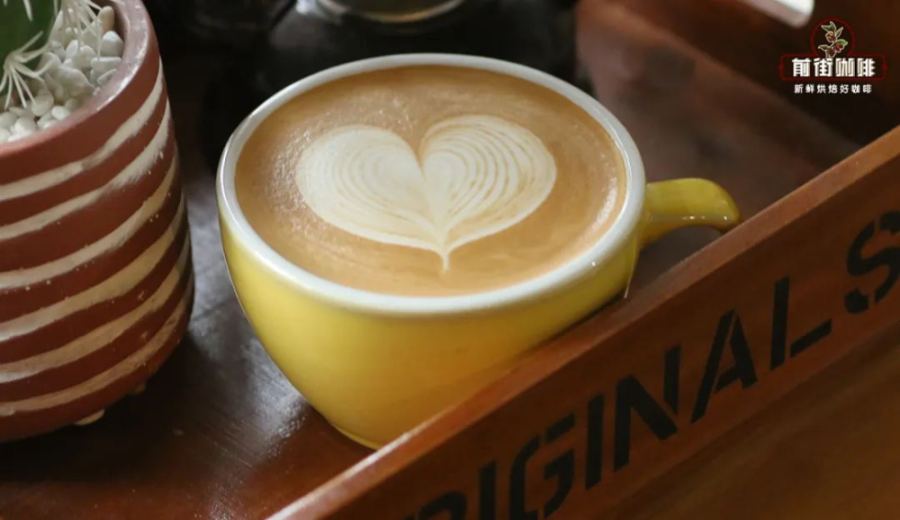
Introduction:Latte art is a classic decorative technique for lattes, but many coffee enthusiasts wonder: does intricate latte art actually enhance the flavor of the coffee? This article delves into the actual impact of latte art on taste from the perspectives of visual psychology, milk foam integration techniques, and real-world tasting tests. It also explores the balance between pattern complexity, preparation time, and overall drinking experience, allowing you to understand the relationship between coffee aesthetics and taste more scientifically.
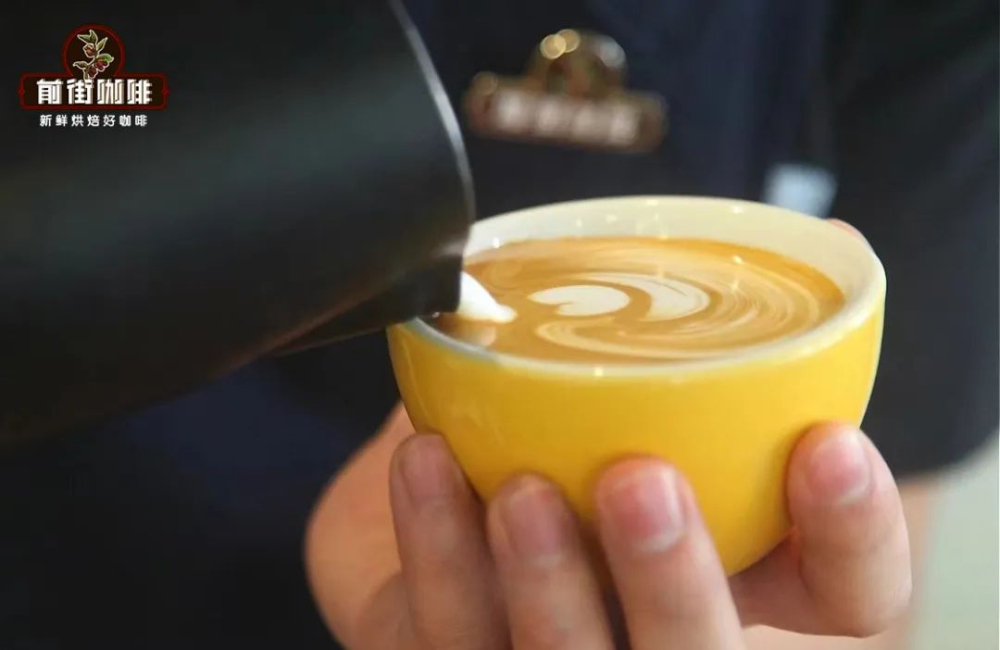
Simply put, latte art is the skill where baristas use milk foam steamed to just the right consistency and, through precise control of their wrists and elbows while pouring espresso, allow the foam to naturally rise to the surface of the coffee liquid to form various patterns. But can this visual art actually change the taste and mouthfeel of a latte? We explore this from multiple angles.
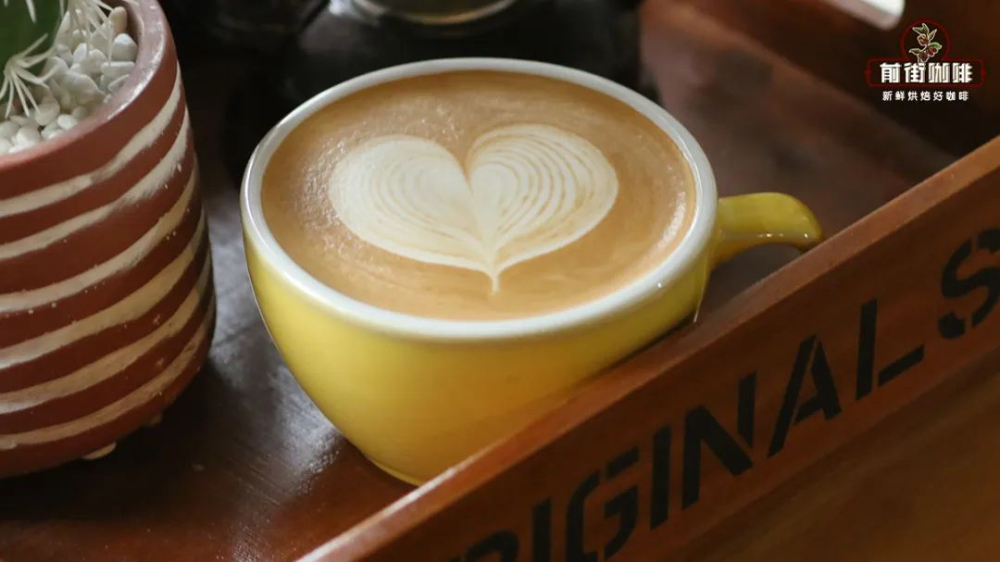
First, it’s undeniable that latte art often creates a stronger first impression. Human evaluation of food is never solely a matter of taste. According to psychological studies, visuals are often the primary factor influencing our preference for food. Even if a latte performs exceptionally well in taste and mouthfeel, an ordinary or unappealing appearance can significantly reduce the desire to drink it at first glance. In contrast, a latte with smooth lines and symmetrical patterns can evoke positive expectations, thereby influencing the overall drinking experience.
Additionally, many consumers subconsciously associate latte art with the barista’s skill level. Patterns that are clear and have smooth lines are often seen as indicators of high professionalism and consistent output. Even when two lattes have identical recipes and extraction conditions, consumers may give different subjective evaluations due to visual differences.
So, does latte art actually alter the real flavor of the coffee? According to practical comparative tests, when factors such as coffee bean quality, milk freshness, espresso extraction parameters (e.g., coffee-to-water ratio, water temperature, pressure), and milk foam thickness are all consistent, there is no significant difference in taste or mouthfeel between a latte with latte art and one without. However, the process of creating latte art places higher demands on the texture of the milk foam and the uniformity of integration.
Generally speaking, a latte made without latte art only requires simple mixing of milk foam and espresso until the cup is full, involving fewer steps, shorter mixing time, and easier achievement of uniformity. But to create latte art, the barista must reserve space in the cup for the design. For example, a simple design might be mixed to about 70% full, while a complex one might only be filled to around 40%. This makes the mixing process of milk foam and coffee more technique-dependent, requiring more precise control of pouring speed and angle to ensure a uniformly integrated surface.
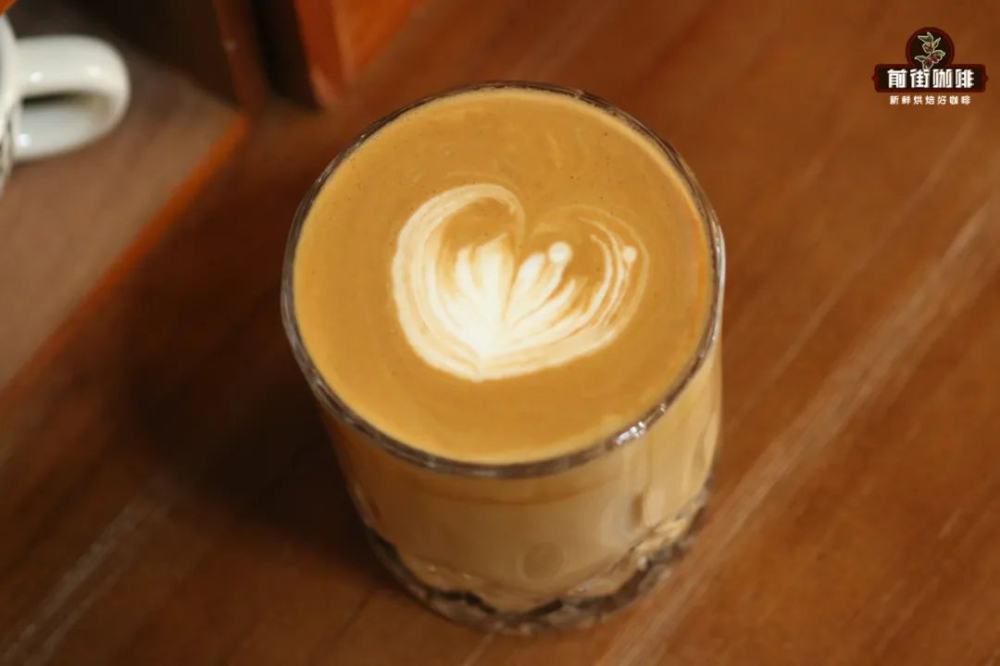
Ideally, a successfully latte-arted latte should display a clear brown-and-white boundary on the surface, evenly distributed, with a golden ring—known as the "crema ring"—forming around the edge. This is a natural phenomenon resulting from the integration of coffee oils and fine milk foam, and it is also one of the keys to a smooth mouthfeel. In fact, the milk foam we taste is mostly this crema ring structure, rather than the milk foam alone, so as long as the integration is done properly, the impact of latte art on flavor is minimal.
However, if the integration is uneven, resulting in patches of varying color intensity or awkward gradient transitions on the surface, it not only affects visual appeal but can also lead to a disjointed mouthfeel. Moreover, if too much time is spent completing an overly complex design, it could cause the coffee to cool down or the milk foam structure to become loose, further compromising the overall flavor performance.
In summary, although latte art does not directly alter the extraction flavor of the coffee, it imposes higher requirements on milk foam quality, integration skills, and the overall preparation process. Moderate and refined latte art can enhance visual enjoyment and psychological expectation, thereby enriching the overall drinking experience. However, excessively pursuing pattern complexity at the expense of integration quality may backfire and detract from the true expression of the coffee. Viewing the relationship between latte art and flavor rationally is key to achieving the best balance between visual and taste experiences.
The above content is compiled by CoffeeHunters, a coffee news website.


