







Introduction:Soaring energy prices in Europe have put unprecedented operational pressure on many small and medium-sized coffee shops. Electricity bills have become the biggest expense, with some stores even seeing their power costs exceed rent. This article delves into how coffee businesses across Europe are responding to the energy crisis — from adjusting pricing and downsizing staff to seeking alternative solutions — revealing the survival strategies and challenges faced by these businesses in difficult times.
The European energy crisis continues to intensify, and many small and medium-sized cafes are under unprecedented strain. Skyrocketing electricity costs have become one of the biggest operational challenges for these establishments, with electricity bills in some regions even reaching twice the level of rent, leading to a significant overall increase in operating expenses. Costs for all consumables — from tableware and takeaway cups to coffee beans — have also risen simultaneously, adding to the operators’ woes.
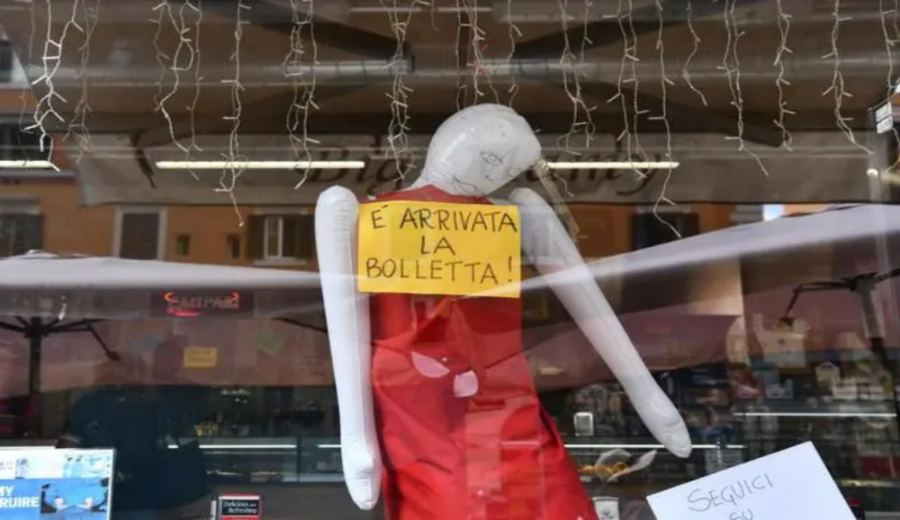
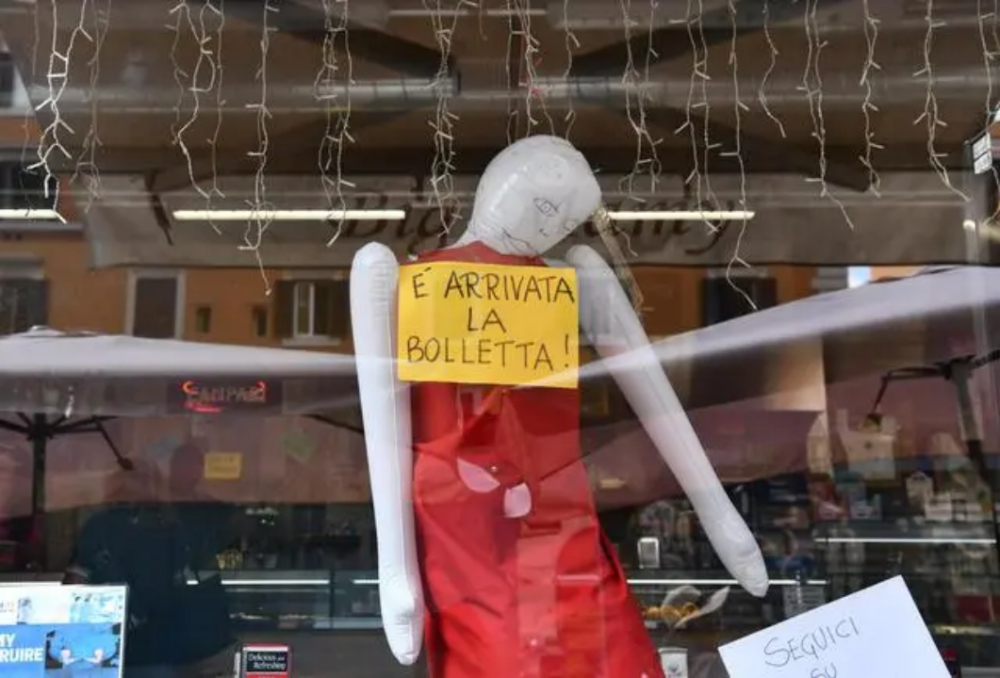
In Rome, Italy, the owner of a cafe expressed dissatisfaction with high electricity prices by hanging an inflatable mannequin wearing a red apron at the shop entrance, symbolizing the business’s struggle under the “squeeze” of electricity bills. The figure had transparent tape around its neck and a note on its chest reading “The bill is here,” attracting the attention of passersby and sparking awareness of the energy crisis.
According to the cafe owner, Laura Lamonica, the combined electricity bills for June and July this year amounted to approximately €2,600 — more than double the €900 from the same period last year. She admitted that such high costs have severely impacted daily operations, and to alleviate the burden, she had to lay off two employees, raise prices on some products, and apply for installment payments for electricity bills. However, these measures still couldn’t offset the declining revenue trend.
Laura further pointed out that due to the rising cost of living faced by the public, the number of customers visiting the shop has noticeably decreased. With the arrival of autumn and winter, energy demand is expected to rise further, and energy price caps may continue to be revised upward, making the outlook for small businesses even more concerning.
A similar situation is unfolding in Dublin, Ireland. A local cafe, Pip’s Cafe and Deli in the Crumlin area, recently received an electricity bill that shocked its owner, Paul McDonald — almost twice the amount of the rent. He noted that within just six weeks, the electricity bill soared from around €1,200 to nearly €4,000, with even higher bills expected in the future.
Paul said that although the cafe remains busy, the surging energy and consumable costs have significantly eroded profits. He mentioned that not only have electricity prices risen, but supply chain costs — including for cups, takeaway containers, and tableware — have also generally increased, with some items rising by more than 50%. Additionally, factors such as weather have kept coffee bean prices high, further adding to operational burdens.
“We’re still busy every day, but profits are almost gone,” Paul said. “The increase in energy costs simply cannot be passed on to customers — the busier we are, the more we lose.” He also called on the government to intervene by reducing taxes and fees related to water and electricity, otherwise many small and medium-sized enterprises may not survive in the future.
The energy crisis is not limited to Southern Europe and Ireland — the situation is equally severe in the UK and Germany. The UK’s energy regulator, Ofgem, announced in August that starting October 1, the energy price cap for households will rise by 80%, with millions of families expected to face difficulties paying their electricity and gas bills. Meanwhile, Germany plans to begin levying a natural gas surcharge starting in October, further driving up commercial electricity costs.
Faced with such a challenging energy environment, many European coffee shop operators are trying various methods to cope. Some choose to shorten business hours to save electricity, others are switching to more energy-efficient equipment, and some cafes are even introducing green energy solutions like solar panels in an attempt to reduce reliance on traditional power sources. However, these approaches often require additional upfront investment, posing a challenge to already strained cash flows.
The energy crisis not only affects the operation of coffee shops but also has far-reaching impacts on the broader socio-economic landscape. Under extreme energy-saving measures, many public places such as museums, ice cream shops, and even subway stations in various regions have turned off their air conditioning systems, further affecting the quality of life for residents. Experts point out that this winter may force low-income families to make difficult choices between “putting food on the table” or “paying energy bills.”
Although European countries are actively promoting energy transition toward green energy goals, the process still faces the dual challenges of ensuring supply stability and meeting low-carbon objectives. As the shadow of the Eurozone debt crisis looms once again, economic pressures are gradually expanding from Italy and Germany to the UK, leaving the future energy and economic landscape still filled with uncertainty.
The above content is compiled by CoffeeHunters, a coffee news website.


