







Introduction:After using an espresso machine for some time, you may notice the extraction flow rate slowing down and flavor becoming off—commonly caused by coffee residue buildup inside the brew head. This guide details the correct steps for backflushing with water and with cleaning powder, explains when to perform a backflush, how many repetitions are sufficient, and offers daily maintenance tips. Mastering these techniques helps maintain stable extraction and avoid off-flavors that compromise coffee quality.
Have you ever encountered this: you carefully adjust your espresso extraction parameters in the morning, only to find the flow rate significantly slower and extraction unstable by noon? Aside from changes in ambient humidity or switching coffee beans, accumulated coffee residue inside the brew head is often the real culprit.
To solve this issue,backflushingis the most direct and effective method. By using a blind basket to reverse the water flow through the internal pathways of the brew head, you can clear everyday coffee grounds buildup. For stubborn grime, use cleaning powder for a deeper cleanse to ensure the extraction system remains unobstructed.
Many baristas may have faced a similar situation: you’ve set the extraction parameters perfectly in the morning, but by noon, the flow rate has slowed down, or the settings seem completely off. Aside from moisture in the air causing the coffee beans to clump, or mixing old and new beans from different batches in the bean hopper, a more likely cause is that the brew head is simply too dirty.
During normal extraction, small amounts of coffee grounds are sucked back into the brew head. Over time, this buildup clogs the water outlets—not only slowing the flow rate but also potentially affecting water quality and leading to off-flavors in the coffee. Therefore,performing a backflush before each shutdown is an important step in maintaining extraction stability.
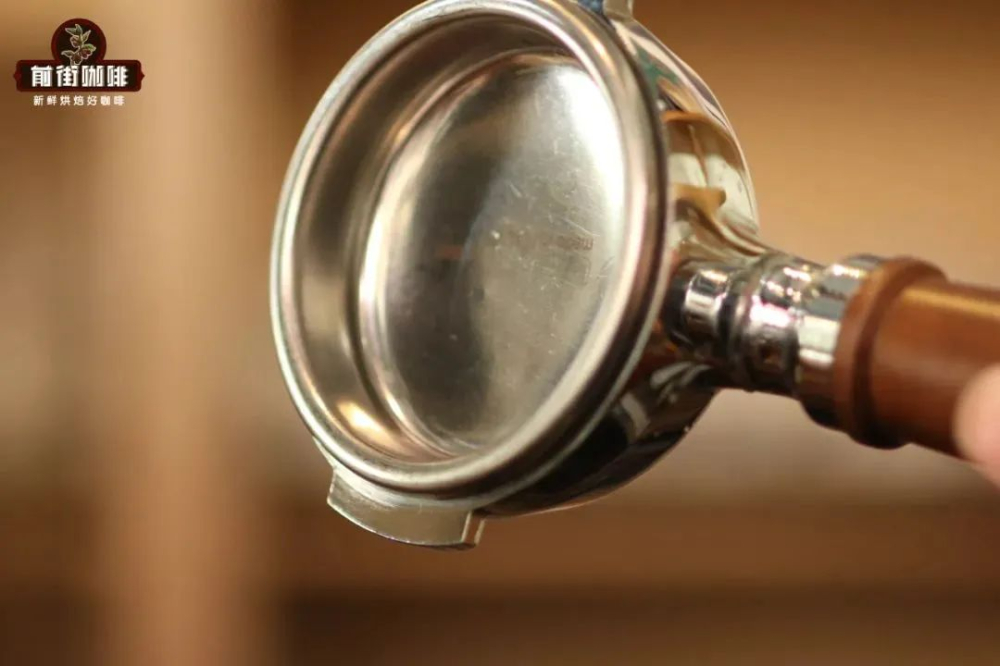
So-called backflushing means using a blind basket (a portafilter basket without holes) to reverse-flush the interior of the brew head. To do this, insert the blind basket into the portafilter, lock it into the brew head as usual, and press the extraction button for about 10 seconds. At this point, since water cannot pass through the holes, it will reverse through the pathways, flushing out trapped coffee grounds.
After the operation, dirty water carrying coffee residue will be expelled from the pressure relief outlet. When removing the portafilter, some dirty water often remains in the blind basket. You’ll need to discard this dirty water, reattach the brew head, and repeat the process until the water in the blind basket runs clear. Generally speaking,repeating the process around five times achieves ideal results.
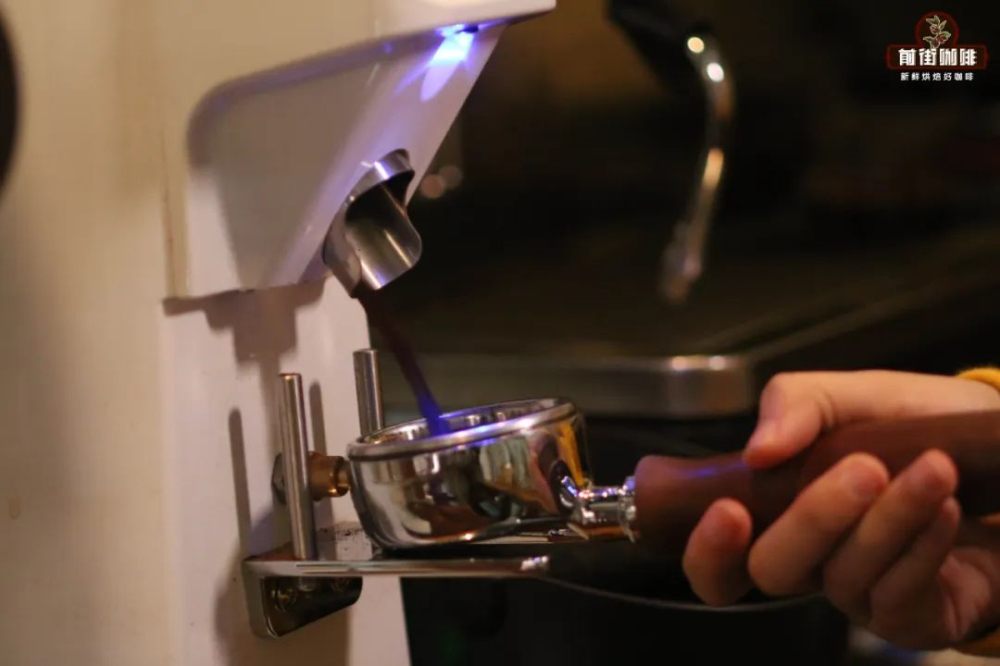
However, some baristas might wonder: “Why do my extraction parameters remain unstable even though I backflush every day?” This is usually because water-only backflushing can’t fully remove stubborn coffee grounds buildup. In such cases, you’ll need to use specializedespresso machine cleaning powderto enhance the cleaning effect.
The specific method is to first add 2–3 grams of cleaning powder into the blind basket, then lock it into the brew head and press the extraction button for 5–7 seconds before stopping. At this point, the pressure relief outlet will spray out white wastewater, which contains a mix of flushed-out coffee residue and cleaning powder.
After removing the portafilter, gently tilt the blind basket to pour out the wastewater and residue, but leave the water-soaked cleaning powder inside. Reattach the brew head, repeat the 5–7 second extraction, and discard the wastewater until all the cleaning powder in the blind basket has completely dissolved. This processgenerally needs to be repeated 4–5 timesto ensure thorough cleaning.
After completing the cleaning powder backflush, remember to run water through the brew head without the portafilter to flush it out, and use a soft brush to gently scrub the shower screen and gaskets to prevent residual cleaning powder from affecting subsequent extractions. Then, perform another water-only backflush, but this timeincrease the number of repetitions to 7–10 timesto ensure all cleaning powder is thoroughly rinsed away.
As for routine maintenance frequency, it’s recommended toperform a water-only backflush once every day before shutting downas basic upkeep. As forcleaning powder backflushing, it’s advised to do it once a week, especially in high-usage environments. Following this maintenance schedule can effectively extend the life of your espresso machine and keep extraction flavors stable and consistent.
The above content is compiled by CoffeeHunters, a coffee news website.


