







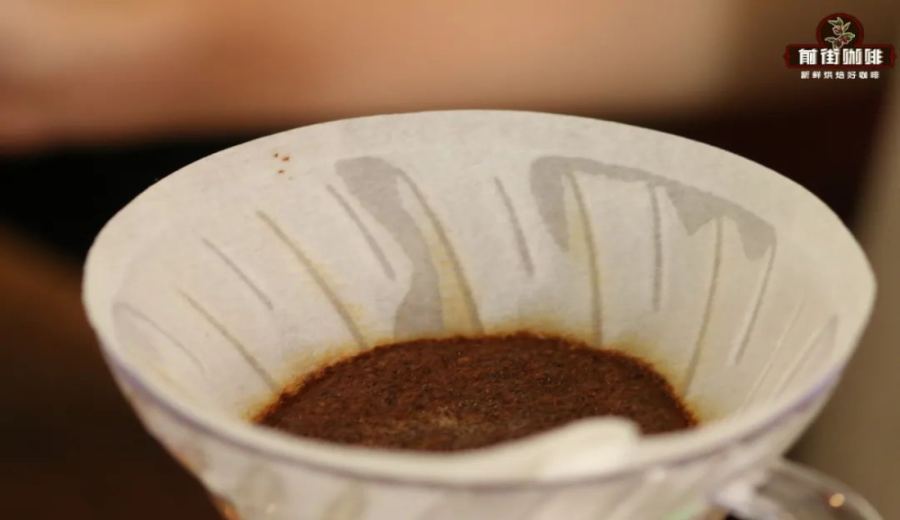
Introduction:Blooming is a crucial step in the pour over coffee process. It not only activates the coffee grounds but also lays a solid foundation for subsequent extraction. This article delves into the bloom water volume, duration, and pouring technique, explaining how these variables directly affect the final flavor of your coffee. With specific reference values and real-world examples, it helps you adjust your technique, avoid common mistakes, and ensure every cup of pour over showcases the intended layers and balance.
In the pour over brewing process, blooming is often overlooked yet extremely critical. Its primary function is to release carbon dioxide trapped within the coffee grounds. If this gas isn't properly vented in time, it can severely interfere with subsequent extraction, preventing desirable flavor compounds from being released. While some special brewing methods like “single-pour” can skip blooming, for most standard pour over techniques, proper blooming effectively enhances overall extraction stability and flavor expression.
So, how should blooming be done? The key lies in controlling the water volume, duration, and pouring method. It’s generally recommended to use twice the weight of the coffee grounds in water for blooming, and to keep the time around 30 seconds. This setup helps the coffee grounds absorb water evenly, expand sufficiently, and release internal CO₂, paving the way for the main pour.
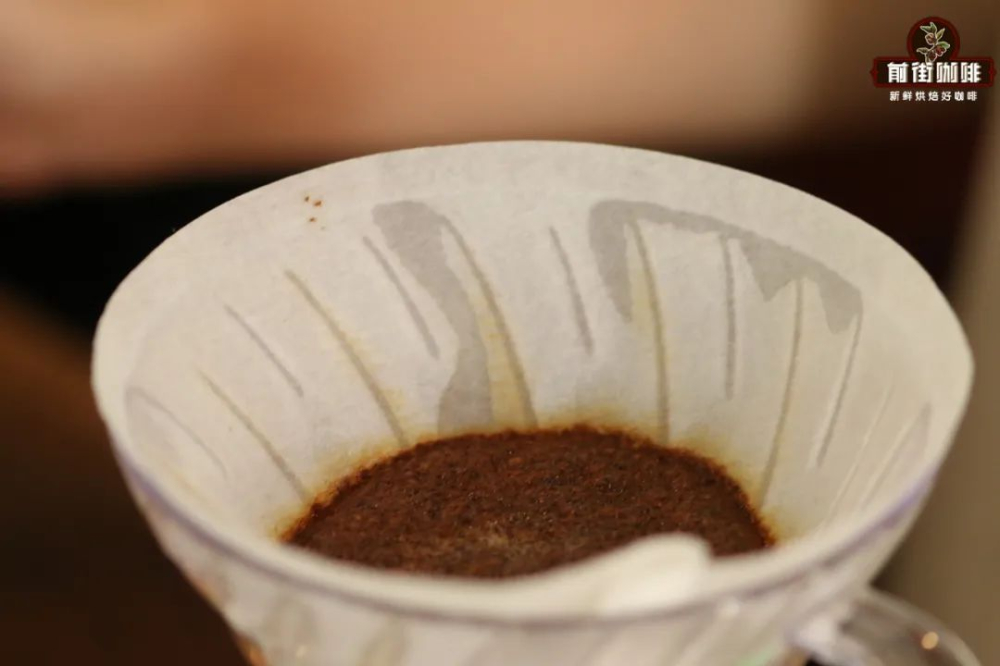
If the water volume is less than the recommended double dose, it may prevent the coffee bed from being fully wetted—especially the edges or bottom, where grounds might remain dry. In such cases, extraction becomes uneven, often leading to unpleasant astringency. Conversely, using more water than standard may cause excess bloom liquid to prematurely enter the brewer’s bottom chamber, reducing the actual volume available for extraction and affecting overall flavor balance, potentially resulting in a sour and thin-bodied cup.
The duration of blooming is equally important. If the bloom time is too short, CO₂ hasn’t fully escaped, and you may still see many bubbles during subsequent pours. This disrupts extraction efficiency, leads to incomplete flavor development, and can produce greenish, overly sharp acidity. On the other hand, if blooming goes on for too long, once the surface moisture evaporates, the inner structure may have already loosened—resulting in visible channels during the main pour along with rough foam. The final coffee may then end up with a burnt-bitter finish, lacking the desired sweet-and-acidic complexity.
A simple way to judge whether blooming is complete is by observing the expansion of the coffee bed. When the coffee grounds gradually swell due to CO₂ release and eventually stop bubbling—with expansion stabilizing—it’s a sign that blooming is achieved. At this point, the coffee bed is ready for the subsequent pour, helping to release flavor compounds more efficiently.
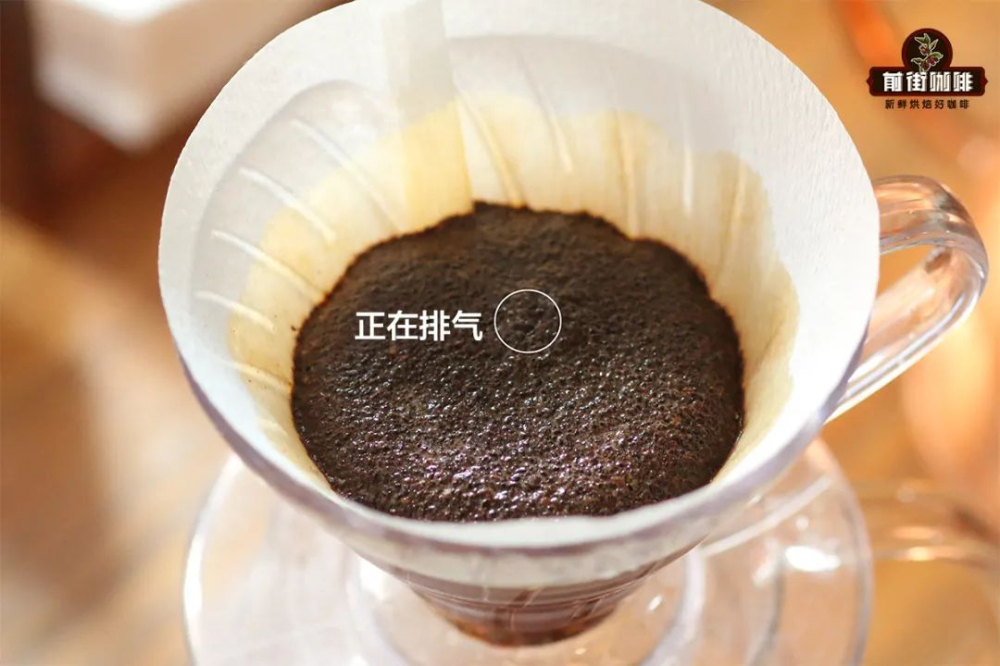
For beginners, it’s recommended to start pouring from the center of the coffee bed and spiral outward in a slow, even circular motion, pouring the preset bloom water volume onto the grounds. This technique helps water penetrate the entire bed uniformly, avoiding localized over-wetting or under-wetting, thereby improving overall extraction stability and consistency.
In summary, blooming is not just a simple “preheating” step, but a vital stage that shapes the flavor direction of the entire pour over cup. From precise control of water volume, appropriate timing, to the nuanced execution of pouring techniques—every detail can significantly impact the final taste and aroma. Through continuous practice and observation, you’ll be able to confidently tackle different beans and roast levels, brewing delicious coffee that meets your expectations.
The above content is compiled by CoffeeHunters, a coffee news website.


