







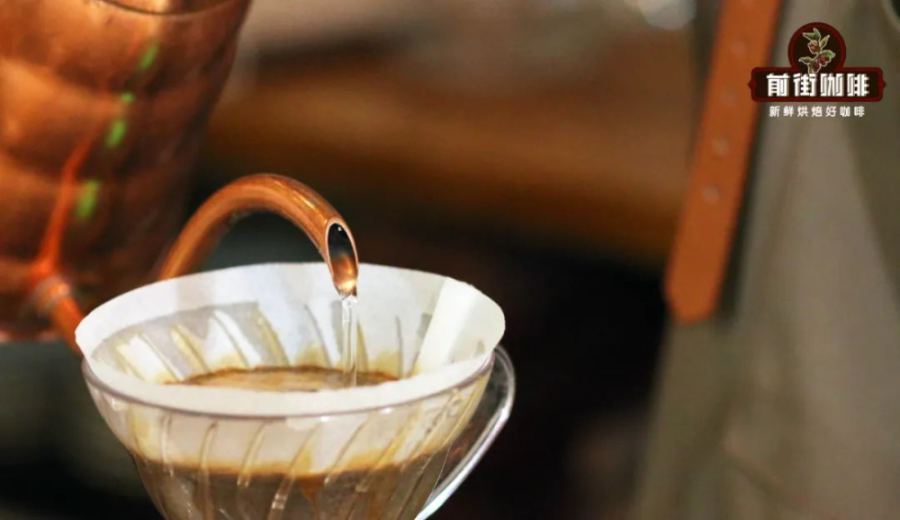
Introduction:One of the common bitterness issues in pour-over coffee, aside from an imbalanced grind size, is the often overlooked factor of excessive fine particles. When a grinder performs poorly and produces a high proportion of fines, the risk of over-extraction increases, which can easily lead to an unpleasant dry and astringent aftertaste. This article shares how to use low-temperature blooming combined with pulsed pouring to effectively suppress the release of bitter compounds from fine particles, while preserving the berry-like acidity and tea-like aftertaste of the coffee—techniques that even beginners can easily master—with practical test data and temperature adjustment strategies.
In the extraction process of pour-over coffee, bitterness is often a direct result of over-extraction, and excessive fine particles are one of the common causes that exacerbate this issue. When a grinder produces uneven grounds with too many extremely fine particles, these fines release flavor compounds too quickly during pouring, leading to over-extraction in the mid-to-late stages. Experienced baristas optimize extraction yield by adjusting water temperature and pouring strategies, and low-temperature blooming is one technique worth exploring in depth.
Emi, the 2018 World Barista Championship (WBrC) champion, once employed a low-temperature blooming strategy using a valve-style filter that allows both immersion and drip functions, achieving a gentler extraction through segmented temperature control. Her method not only reduced the dry and astringent aftertaste but also highlighted the inherent sweetness of the coffee. The core of this technique lies in using lower temperatures and appropriately extended blooming times to control the timing of flavor release from fine particles.
What is over-extraction?Simply put, about 30% of the substances in coffee beans are soluble in water, but not all soluble compounds contribute positively to flavor. Over-extraction refers to extracting too many high-boiling-point bitter and astringent compounds, resulting in an unbalanced coffee flavor. When there are too many fine particles, their larger surface area makes it easier for them to release these undesirable compounds in a short time.
If you find that your pour-over coffee often has a lingering dry and astringent sensation, you might consider adjusting the blooming stage.Low-temperature blooming is an effective intervention method, as it not only delays the over-extraction of fine particles but also allows the sweet and acidic compounds in the coffee to be released more smoothly through temperature control.
A certain coffee brand once conducted tests using Ethiopian Huika beans. They used a hand grinder (around the 300 RMB price range) with a grind size that had an 80% extraction rate through a #20 sieve. The result was a very high fines percentage of 14%. Under standard parameters (15g dose, 1:16 brew ratio, three pours of 30/120/90ml), the total extraction time reached 2 minutes and 33 seconds, with noticeably slow drawdown and an unpleasant dry and bitter aftertaste.
An initial attempt involved adjusting the blooming water temperature to 80°C, with subsequent pours at 94°C, but the results showed that the acidity was overly pronounced, even slightly grassy, and the aftertaste still retained a slight bitterness.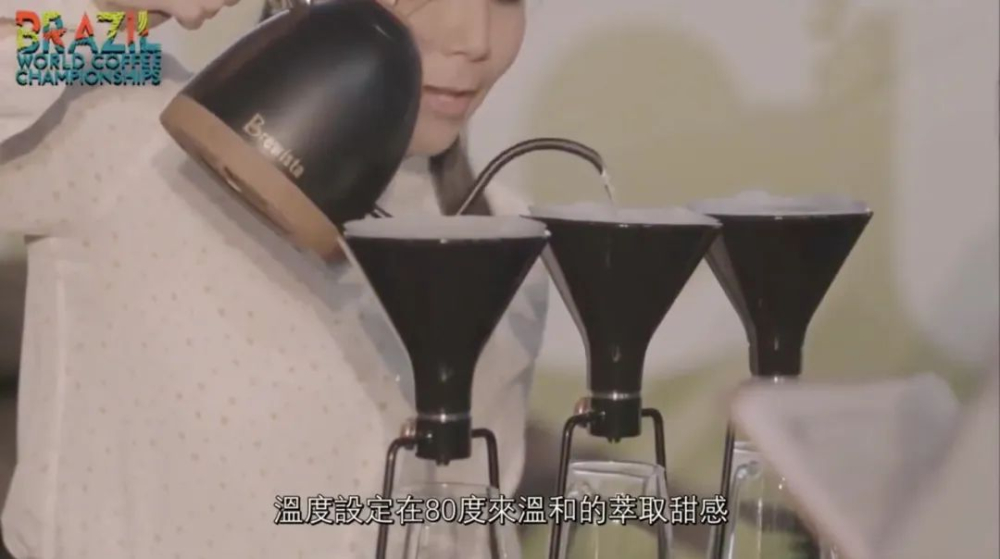 Analysis revealed that the coffee bed did not expand enough during the blooming phase, and some blooming liquid flowed prematurely into the server, resulting in insufficient blooming. The subsequent higher-temperature pours then exacerbated the release of bitter compounds.
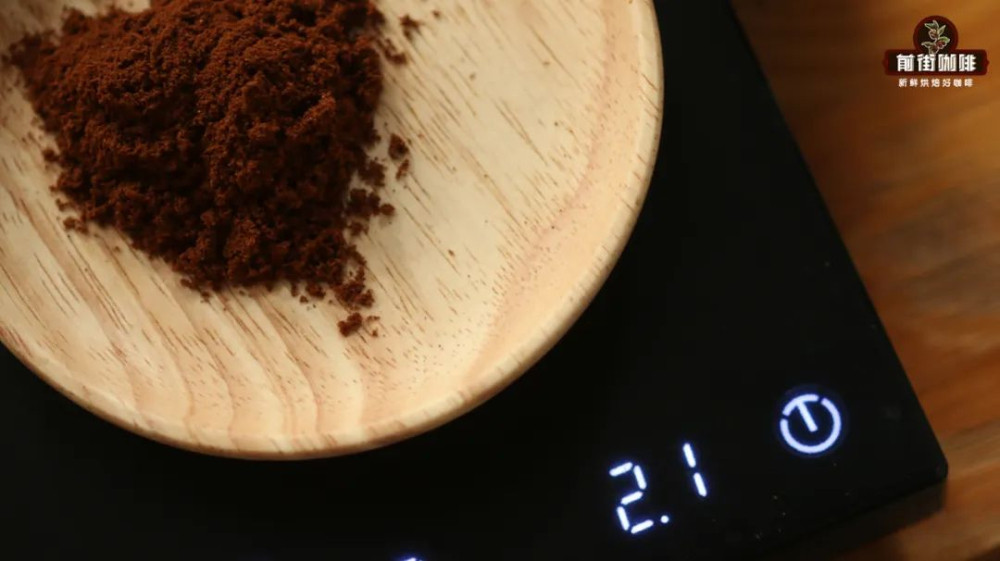
After multiple adjustments, the following parameters were eventually used to achieve ideal flavors: 15g dose, 1:16 brew ratio, grind size maintained at 80% extraction through a hand grinder #20 sieve (still high in fines), the first-stage blooming pour temperature adjusted to83°C,blooming time extended to 35 seconds, to ensure sufficient degassing and reduce the premature release of bitterness from fine particles; the second and third pour temperatures were adjusted to93°C, with pour volumes of 25ml, 125ml, and 90ml respectively. Total extraction time was controlled at 2 minutes and 35 seconds, ultimately yielding a cup with rich berry-like acidity, a distinct tea-like aftertaste, and absolutely no bitterness or astringency.
 This result proves that through low-temperature blooming and precise temperature control, a balanced and enjoyable extraction can still be achieved even with a high proportion of fine particles.
In practice, it’s recommended to flexibly adjust based on the characteristics of your own grinder and sieving results. If you have a relatively high fines ratio, try setting the blooming water temperature within the82-85°Crange, extending the blooming time to30–40 seconds, and observe the expansion of the coffee bed and the flow of blooming liquid. Subsequent pour temperatures can be slightly lower or equal to conventional temperatures (usually 90–96°C), but the key lies in controlling the flow rate and uniformity of each pour to avoid localized over-extraction.
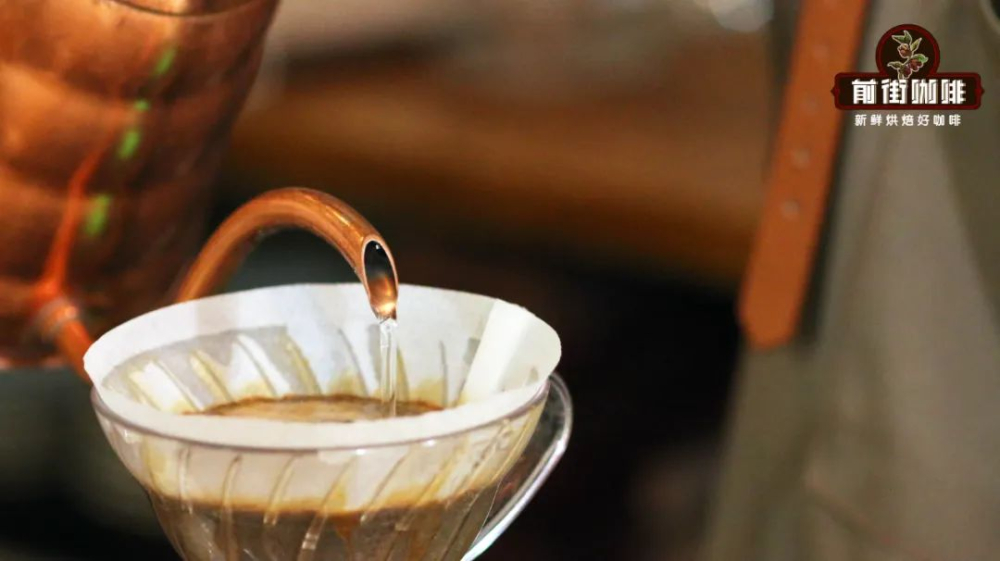 In summary, low-temperature blooming is not only a competition technique used by WBrC champions, but also an effective strategy in everyday pour-over brewing to address bitterness caused by excessive fine particles. Remember, every grinder and coffee bean has unique grinding characteristics—the data provided in this article is for reference only. The focus should be on understanding how low temperatures and time control affect extraction balance, then fine-tuning based on actual flavor feedback to find your optimal parameter combination.
The above content is compiled by CoffeeHunters, a coffee news website.


