







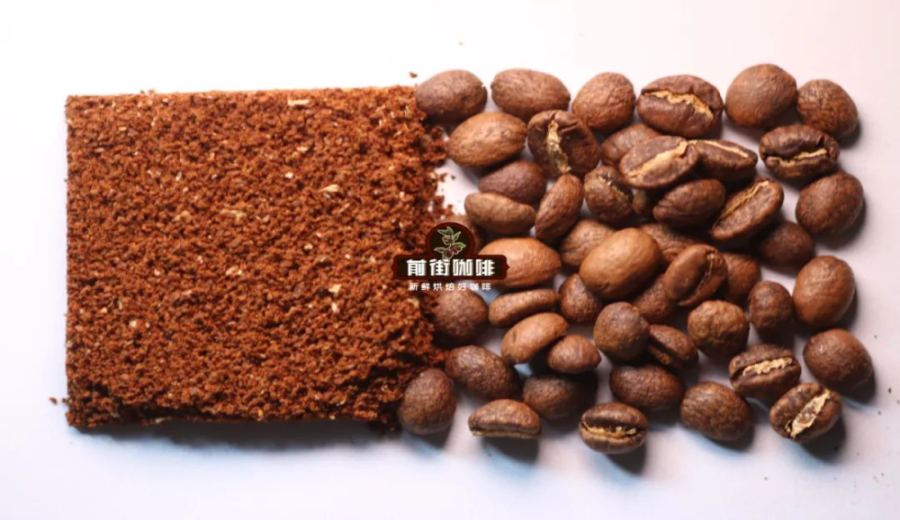
Introduction:Choosing the right grind size for pour over coffee is key to influencing flavor extraction and brewing efficiency. This article delves into three practical methods—visual estimation, grind setting references, and sieve calibration—to help you determine grind coarseness. It also introduces the concept of "particle size distribution" to help you understand how the uniformity of coffee grounds affects extraction. Through practical tips and common pitfalls, it will help you quickly find the ideal grind setting for your pour over.
How should you choose the grind size for pour over coffee? This is one of the most common challenges beginners face. Too coarse a grind may lead to under-extraction and flat flavors; too fine a grind can cause over-extraction, resulting in bitterness and off-flavors. Therefore, selecting the appropriate grind size is a crucial factor in determining the quality of a pour over cup. This article will introduce three common methods for assessing grind size—visual estimation, grind setting references, and sieve calibration—and further explain the advanced technique of "particle size distribution" to help you adjust your grind settings more scientifically and improve the extraction performance of your pour over.
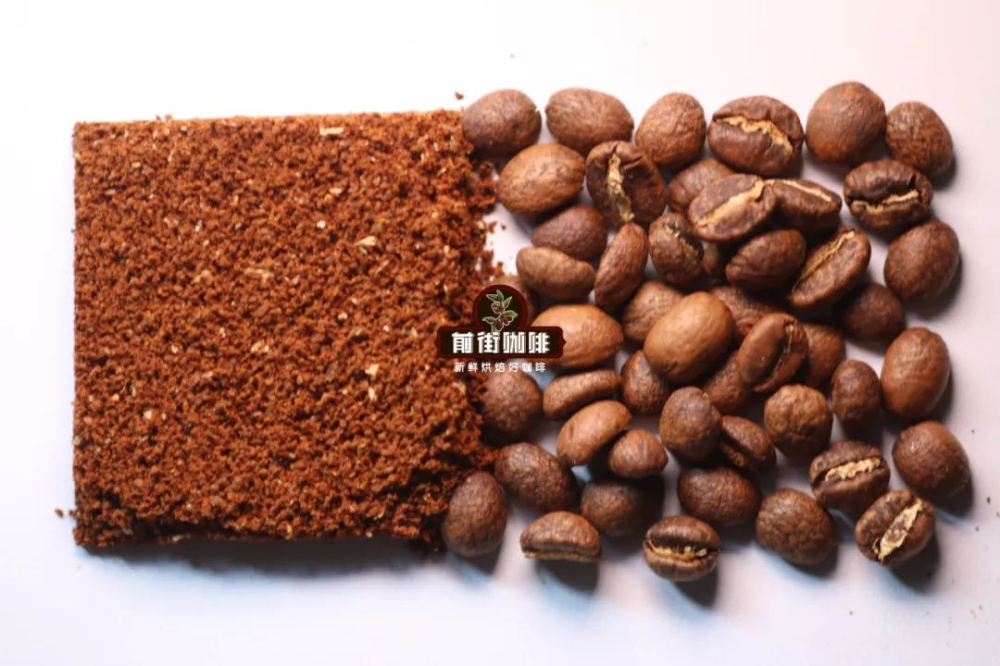
First, the most intuitive but least accurate method is the "visual estimation method." Many people are accustomed to using everyday items, such as coarse or fine sugar, to describe the coarseness of coffee grounds. However, the human eye has limited ability to distinguish extremely subtle differences in particle size, and visual focus often centers on certain particles, leading to misjudgment. For example, some people may look at someone else’s pour over grounds and think they appear finer, yet find that the actual brew flows at a normal rate with no clogging. This is usually because hand-ground coffee often contains particles of varying sizes, and if you overlook the presence of larger particles, you might mistakenly assume the grind is coarser. Unless you have undergone long-term training, relying solely on sight or touch can result in significant errors.
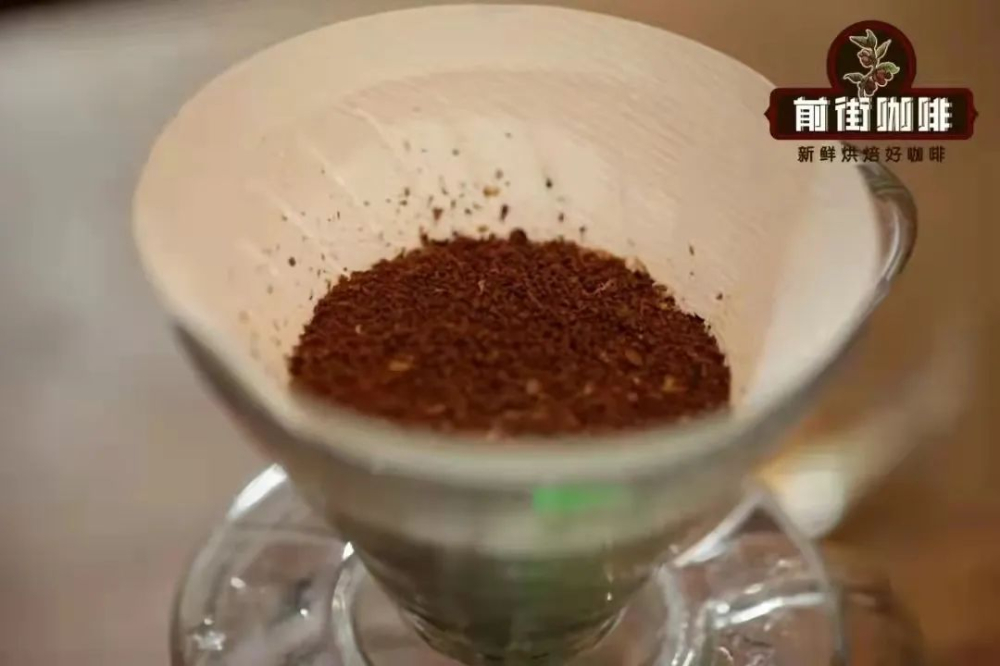
The second method is the "grind setting reference method," which uses the numerical scale on a grinder to assess grind coarseness. For instance, a 4 setting on a Hario Mini Mill, a 7 on an EK-43, or a 26 on a C40 grinder are common reference standards in the industry. However, the limitation of this method is that the same grind setting on different brands—or even different batches of the same brand—can produce coffee grounds with very different coarseness levels. There have been cases where two brand-new Hario Skerton grinders had a 4.5 setting on one that was actually as coarse as a 5 on the other. Therefore, if you’re using a less common grinder or one without publicly available grind setting references, this method may not be very applicable.
The third, more scientific method is the "sieve calibration method," which many professional baristas use to calibrate grind sizes for both pour over and cupping. For example, some shops use a standard No. 20 sieve with a 0.85mm aperture to measure the pass-through rate of coffee grounds. The procedure involves taking 10 grams (or a multiple thereof—for greater accuracy) of coffee beans, grinding them at a specific setting, and then pouring the grounds into the sieve. Shake the sieve horizontally for about 3 to 5 minutes until particle dropping slows noticeably. Then weigh the amount of coffee that passed through the sieve and divide it by the total weight of the grounds to get the sieve percentage. For instance, if 5 grams pass through, the sieve percentage is 50%. If you aim for a standard of 80%, you’d need to adjust the grind setting finer and measure again until the desired rate is achieved.
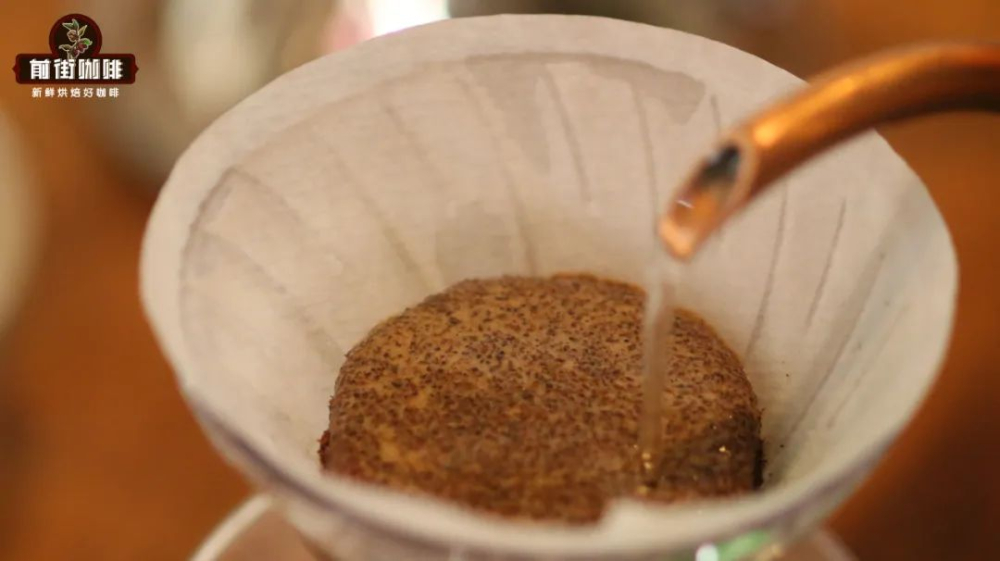
However, a No. 20 sieve can only differentiate between coffee grounds larger or smaller than 0.85mm, without providing further insight into the finer distribution of particle sizes. Therefore, to gain a more precise understanding of grind uniformity, you can learn more about the concept of "particle size distribution." This technique involves using multiple sieves with different apertures (such as 0.3mm, 0.6mm, 0.85mm, and 1mm) to separate coffee grounds by coarseness and calculate the proportion within each range. The ideal pour over grind state is when the majority of particles fall within the 0.6 to 0.85mm range, indicating a more uniform particle distribution. If the particle size distribution is too spread out, it suggests uneven grinding, and you may need to adjust your grinder or remove excess extremely coarse or fine particles to achieve more stable extraction.
Of course, the above methods may seem a bit complex for the average consumer. If you just want to quickly determine whether your current grind size is suitable for pour over, you can combine the following practical suggestions: First, ask your grinder manufacturer or seller for their recommended grind setting range as a starting point. Next, assess the coarseness of the coffee grounds through visual observation and touch—for example, the grind size commonly used for pour over often feels noticeably gritty. If possible, use a sieve to test the pass-through rate, combining visual assessment with data for better judgment. Ultimately, you’ll still need to validate through actual brewing—observe the flow rate and total brew time. For example, with 15 grams of coffee, if the water flows evenly and the total brew time is around 2 minutes, the grind size is appropriate. If the brew takes over 2.5 minutes and the flow is slow, it may be too fine. If it brews in under 1 minute and 40 seconds and the flow is too fast, it may be too coarse. Additionally, if the flow rate gradually slows down, it may be due to a high proportion of fine particles.
The above content is compiled by CoffeeHunters, a coffee news website.


