








Introduction:Delving into the Pluma Haji AA coffee beans from the Rugi Cooperative in Kenya’s Nyeri region, this exploration covers the SL28 and SL34 varieties nurtured in volcanic red soil, the washed processing method, and the AA grade standards—unraveling the unique flavor profile of black plum, apricot, and black tea notes. Includes expert three-stage pour over parameters and practical extraction tips to help you fully unlock the potential of this high-altitude specialty bean.
Nestled in the central part of the Mount Kenya range, Nyeri boasts mineral-rich volcanic red soil and an elevation of over 1,600 meters, consistently ranking among the top in global specialty coffee evaluations. The region’s unique microclimate and significant diurnal temperature variation produce bright acidity and complex layers of fruitiness. The star of this article—the Pluma Haji AA coffee beans from the Rugi Cooperative—is a quintessential representation of this terroir.

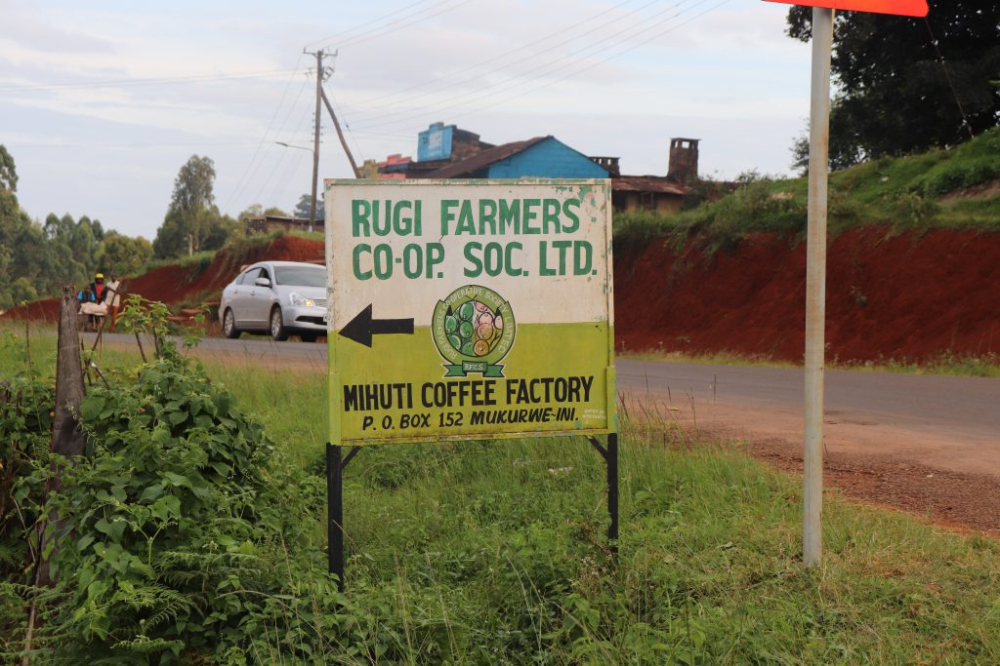
Established in 2005, the Rugi Farmers Cooperative is composed of approximately 4,000 smallholder farmers, with their coffee cherries primarily sourced from the vicinity of the nearby Wajee Nature Park. This foothill area, designated as a bird sanctuary, not only preserves a pristine ecosystem but also provides ideal growing conditions for the SL28 and SL34 varieties due to its moderate shading and well-drained slopes.
Regarding the cultivated varieties, SL28, descended from the ancient Typica lineage, is renowned for its pronounced citrus notes, honey-like sweetness, and delicate jasmine floral aromas. SL34, on the other hand, demonstrates stronger disease resistance and adaptability, maintaining stable yields even at slightly lower elevations. Its flavor profile is similar to SL28 but often features more intense blackcurrant and raisin characteristics. These two varieties, introduced to Kenya in the 1930s, have become core markers distinguishing the country’s coffee flavors.
Kenya’s coffee grading system is rigorous, categorizing beans based on green bean size, density, and cupping performance. Among these, the AA grade is the highest standard, requiring beans with a diameter of 17 or above (approximately 6.7mm) and a professional cupping score of 80 or higher to meet specialty criteria. Pluma Haji AA falls into this category, with each bean meticulously screened to ensure uniform size and an extremely low defect rate.
In terms of processing, the Rugi Cooperative employs traditional washed methods, broken down into several precise steps: first, a pulper removes the coffee cherry’s flesh, then the mucilage-covered seeds are placed in fermentation tanks for an initial 12 to 24-hour fermentation period, during which the temperature is controlled at 20-24°C to balance enzymatic activity. Next, running water is used to wash away residual mucilage, followed by immersion in clean water for a secondary fermentation lasting 36 hours, with the water being changed every 5 to 12 hours to inhibit microbial growth and deepen flavor development. Finally, the dried parchment beans undergo approximately 10 days of sun drying on raised beds until their moisture content reaches the safe storage range of 11-12%.
In actual tasting, this Pluma Haji AA showcases the classic characteristics of high-altitude Kenyan coffee: the dry aroma reveals intense black plum and caramel notes, while the brewed cup highlights dark stone fruits like plum and prune as the main profile, accompanied by moderate lemony acidity and a tea-like, rounded finish. Its flavor layers are distinct, transitioning from bright fruity acidity in the early sips to sweet, juicy fruitiness in the mid-palate, and ending with a lingering, velvety aftertaste.
For pour over extraction, a light to medium roast is recommended to preserve the original fruitiness. Tested and effective parameters include: grind size matching 78% sieve retention on a Chinese No. 20 standard sieve (approximately equivalent to superfine sugar texture), paired with a V60 filter to enhance clarity. The specific process can be divided into three-stage pouring: the first stage involves pouring 30 grams of hot water (around 93°C) for a 30-second bloom, with the water focused at the center of the filter paper and spiraling outward evenly; the second stage adds 95 grams of water, and when the dripping reaches about halfway, the third stage pours 100 grams, with the total extraction time controlled within 2 minutes ± 10 seconds. This method effectively balances the acidity-sweetness ratio, avoiding the astringency of over-extraction or the flatness of under-extraction.
It’s worth noting that high-altitude coffee beans have higher density, requiring a finer grind than those from lowland regions, but overly fine grinding can lead to channeling. Beginners are advised to adjust grind size slightly based on actual flow rate, observing whether the water drains steadily from the filter. Additionally, a thorough bloom is crucial for aroma activation. If a sharp, pungent smell emerges, consider extending the bloom time or checking the freshness of the coffee grounds.
The above content is compiled by CoffeeHunters, a coffee news website.


