








Introduction:Delve into the SL28 and Ruiru11 variety coffee beans produced in Kenya’s Embu region, exploring their high-altitude cultivation environment, traditional washed processing methods, and the origins of their berry and citrus flavor profiles. This article details the rigorous production process at the Ena washing station and provides practical V60 pour over brewing parameters to help coffee enthusiasts master the brewing essentials of this classic Kenyan bean.
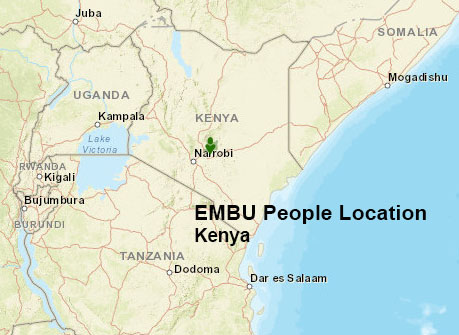
The Embu County region in Kenya borders the majestic Mount Kenya and lies within the East African Rift Valley, making it one of the world’s renowned high-altitude specialty coffee growing areas. The region’s elevation generally ranges between 1,300 and 1,900 meters, with volcanic soils rich in organic matter—ideal for coffee tree growth. In addition to coffee, tea is another major cash crop in the area, together forming Embu’s important export industries.
The Embu region primarily consists of small-scale family farms as the main production units. Most farmers own only a small plot of land, so after harvesting the fresh cherries, they are often sent to washing stations set up by cooperatives, where professional teams handle subsequent processing and export operations. This collective processing model not only ensures stable quality but also helps enhance competitiveness in the international market.
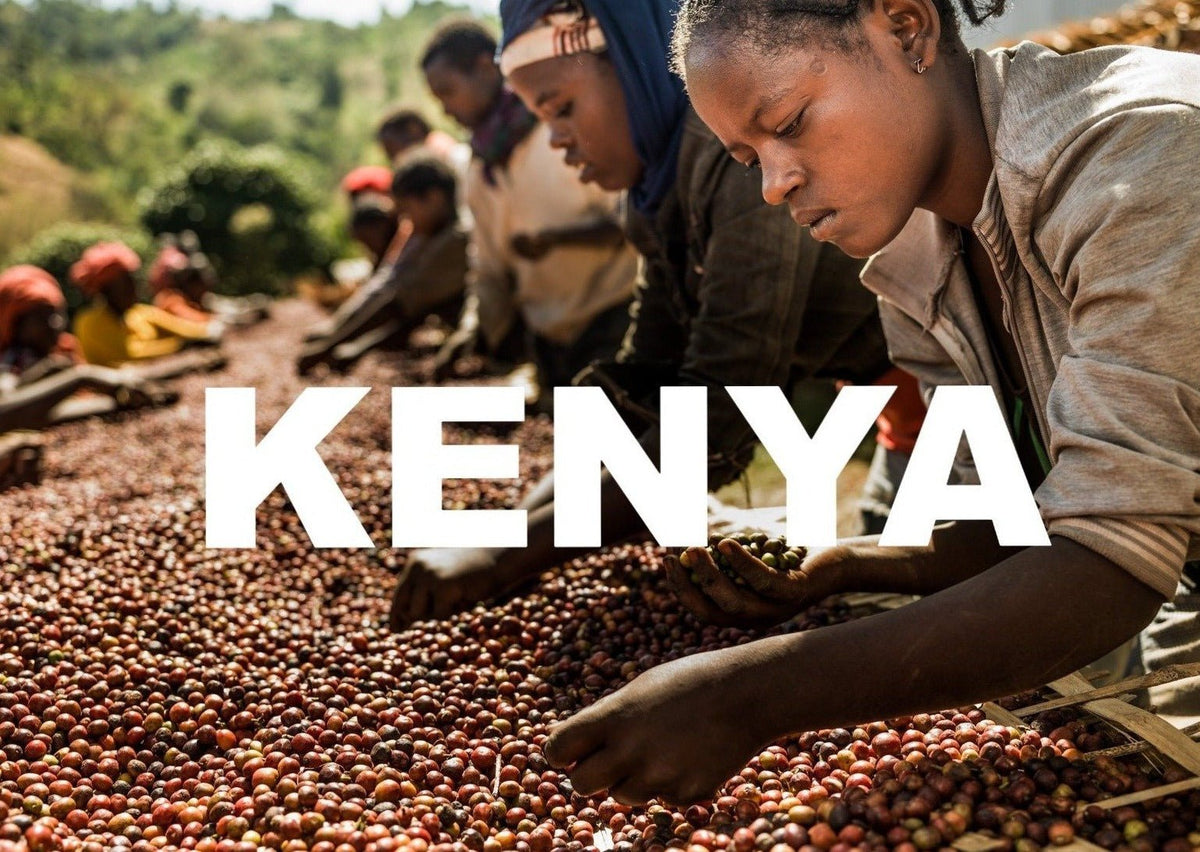
The Ena washing station is part of the New Runyenjes factory and is one of its two washing facilities, located approximately 150 kilometers north of Kenya’s capital, Nairobi. Local farmers often bring their small-scale-grown fresh coffee cherries here for processing. After processing, the beans are sorted according to a strict grading system to ensure that each lot of green beans meets export standards.
The manual selection process at this washing station is extremely rigorous, retaining only intact and flawless coffee cherries. Subsequently, the pulp is removed, and the beans are washed multiple times with clean water. The parchment beans are then placed on raised drying beds for natural drying over 14 to 21 days. Throughout this process, multiple rounds of fermentation and repeated washing steps help enhance the purity and bright acidity of the final coffee flavor, resulting in a more layered taste profile. The washing station also actively implements water-saving measures and water resource conservation, striving to maintain the sustainability of the surrounding ecological environment.
In terms of variety selection, Kenya has been committed since the 20th century to cultivating high-quality coffee varieties resistant to disease. In response to the coffee berry disease that was rampant at the time, the Scott Laboratories successfully bred two disease-resistant varieties: SL28 and SL34. Among them, SL28 belongs to the Bourbon genetic group, featuring a solid bean shape and good drought resistance. It has a stable yield and outstanding flavor performance, particularly excelling in acidity and aromatic complexity with unique charm.
Entering the 1970s, to address the threat of leaf rust, Kenya introduced the Ruiru11 variety. This variety was designed to be suitable for intensive cultivation without the need for additional shading, while also offering dual advantages of resistance to both leaf rust and berry diseases, along with maintaining a relatively respectable yield. Many coffee farms have now incorporated Ruiru11 into their planting repertoire to balance flavor and production efficiency.
The “Colorful Fruit” coffee beans recommended by a certain coffee brand in this article come from the Embu ENA Cooperative in Kenya’s Embu region, grown at altitudes between 1,600 and 1,800 meters, with a varietal combination of SL28 and Ruiru11, and processed using the washed method. This coffee typically exhibits bright berry and black plum notes, complemented by citrus aromas reminiscent of pomelo, with a finish that carries the gentle, mellow richness of Earl Grey tea. The overall flavor profile is clear and well-layered.
In terms of roasting strategy, since the goal is to highlight fruity notes and bright acidity, roasters typically opt for a light roast to preserve more of the bean’s inherent flavor characteristics. According to cupping results, this Colorful Fruit coffee emits the sweet aroma of dried berries in the dry stage, and upon brewing, the cup reveals lively acidity akin to apples and grapes, accompanied by a soft honey-like sweetness. The overall mouthfeel is rich, with the elegant aftertaste of Earl Grey tea.
If you’d like to try brewing this Kenyan bean at home using pour over, here are practical reference parameters for the V60 dripper: It is recommended to use 15 grams of coffee grounds, with a 1:15 coffee-to-water ratio, for a total water volume of about 225 milliliters. The grind size can be adjusted to that of fine sugar, roughly equivalent to an 80% extraction rate through a #20 sieve. Water temperature should be controlled between 90–91°C, which helps to bring out bright acidity and complex aromas.
The specific brewing steps are as follows: First, perform a 30-second bloom with 30 grams of hot water to initiate the release of aromatic compounds from the coffee grounds. Then, pour water steadily in small circles, and when the total water poured reaches 124 grams, perform the first pour pause. Once the coffee bed begins to dry slightly, continue pouring until reaching a total of 228 grams, then stop. Finally, wait until the water level has completely dropped and is about to expose the coffee bed before removing the dripper. The overall extraction time is recommended to be around 1 minute and 55 seconds. This brewing method fully highlights the berry acidity, citrus freshness, and caramel-like sweetness in the aftertaste of the Colorful Fruit coffee, resembling the enjoyment of a cup of Earl Grey tea with a distinct British flair.
The above content is compiled by CoffeeHunters, a coffee news website.


