







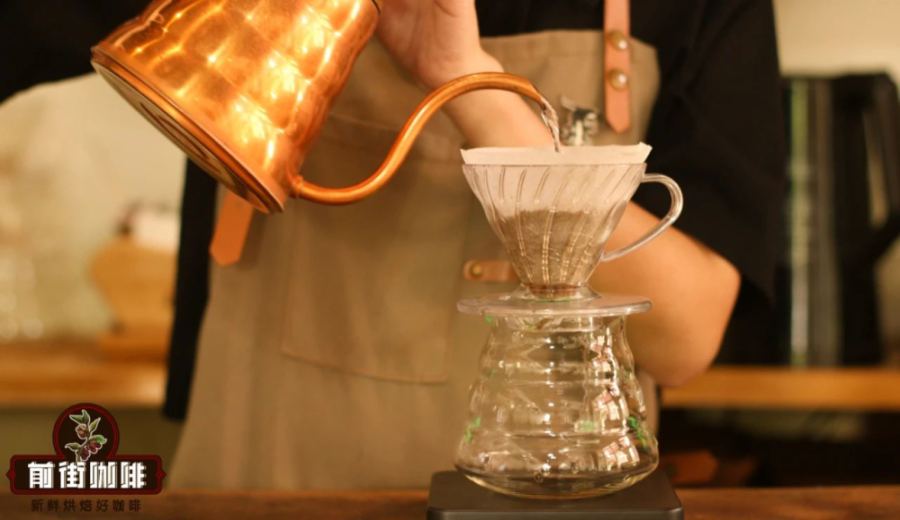
Introduction:Water temperature is the soulful variable in pour over coffee, directly influencing the balance of acidity and sweetness as well as extraction efficiency. This article delves into the flavor profiles across different temperature ranges from 80°C to 96°C, combining scientific extraction principles to help you master precise temperature control techniques. From light to dark roasts, it provides professional-grade water temperature pairing suggestions and common mistake avoidance methods, assisting you in brewing ideal coffee with distinct layers.
In the world of pour over coffee, water temperature plays a key role in determining flavor direction. Most coffee enthusiasts are accustomed to using hot water for extraction because appropriately high temperatures not only enhance overall extraction efficiency but also bring out the delicate acidity and layered sweetness of coffee beans. In practice, the hot water temperature commonly used for pour over rarely falls below 80 degrees Celsius, but if deliberately reduced below this common benchmark, can it still extract surprisingly impressive coffee flavors? This question involves complex scientific principles and the subtle balance of sensory experience.
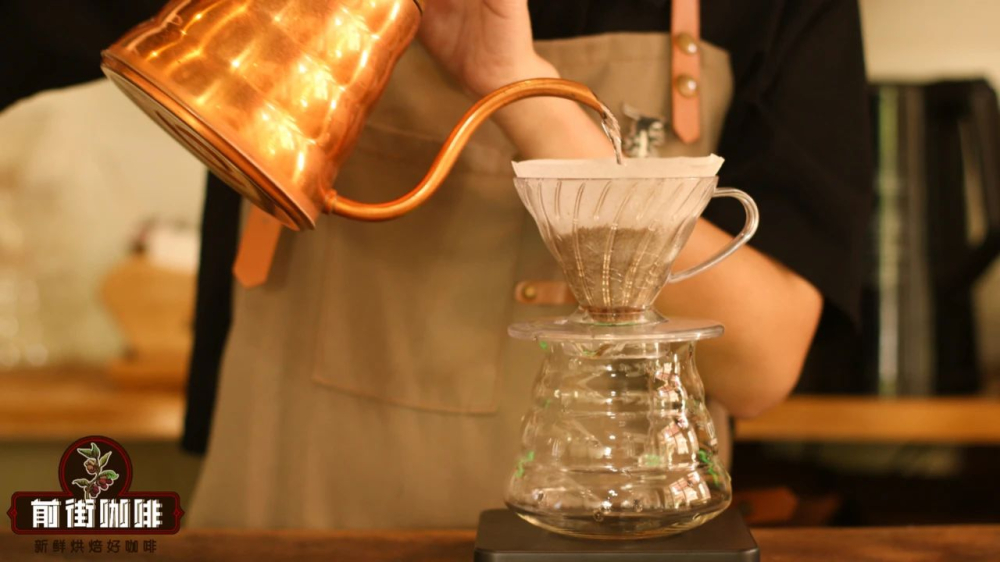
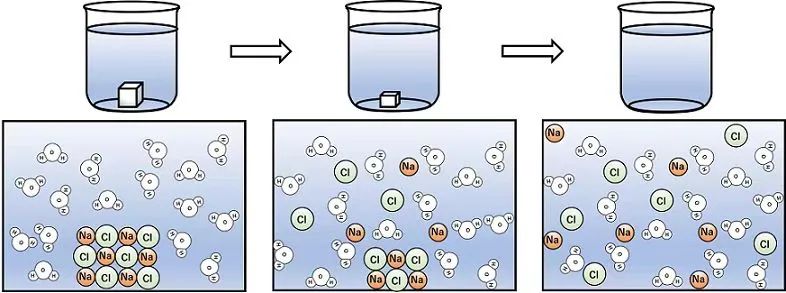
To understand the impact of water temperature on coffee, one must first grasp the basic mechanism of extraction. When hot water contacts coffee grounds, it dissolves soluble substances including acids, sugars, bitter compounds, and fibers. Under different temperature conditions, the dissolution rate and proportion of these components vary significantly.Generally, 88°C to 92°C is considered the standard pour over range, effectively balancing the release of various flavor characteristics of coffee.
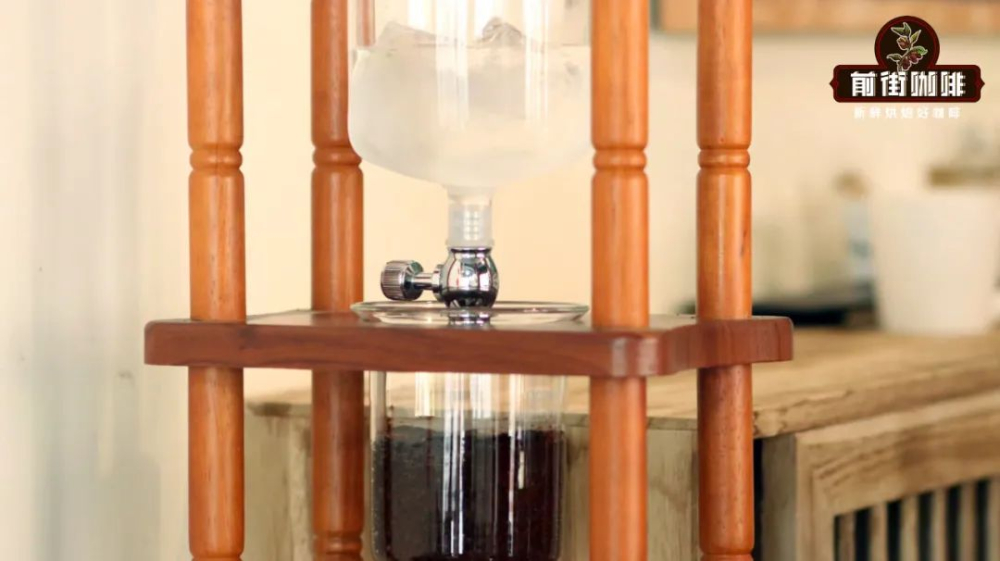
In the lower temperature range of 80°C to 85°C, the extraction speed slows down noticeably. At this point, acidic components (such as citric acid and malic acid) are prioritized for dissolution, creating a bright and refreshing taste profile, but sweetness and body may be relatively insufficient.This temperature range is particularly suitable for light roast coffee beans, highlighting their unique citrus notes and floral-fruity aromas. In practical operation, it is important to extend the brewing time, with a single pour recommended to last over 2 minutes.
When the water temperature rises to the mid-range of 86°C to 91°C, extraction efficiency reaches a golden balance point. This range can simultaneously bring out the vibrancy of acidity and the sweetness of sugar compounds, forming a three-dimensional flavor structure.Medium to medium-dark roast beans perform best at this temperature, showcasing a chocolatey and nutty base while retaining the layered variations of fruity notes. It is recommended to use a pulse pouring method, controlling the total extraction time between 2 minutes 30 seconds and 3 minutes.
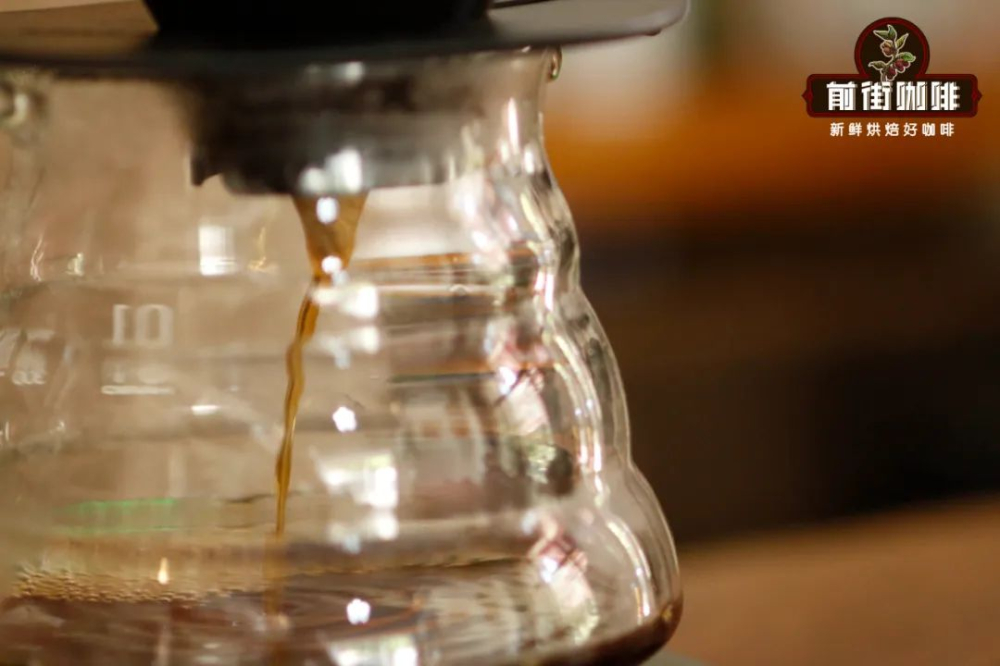
Upon entering the high-temperature range of 92°C to 96°C, the extraction rate increases significantly. Although it can fully release the coffee’s body and caramelized flavors, excessively high temperatures can easily lead to over-extraction, resulting in bitter and astringent off-flavors.Dark roast beans require extra caution in this temperature range; it is advised to shorten the brewing time to within 2 minutes and increase stirring frequency to ensure even extraction. Professional roasters remind that temperature fluctuations in this range should not exceed ±1°C.
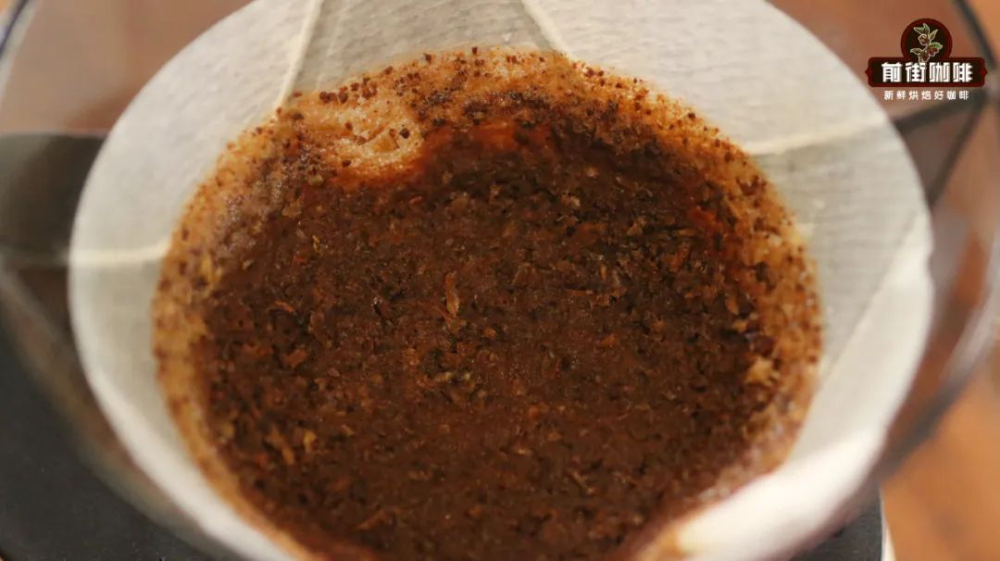
In actual practice, it is recommended to use an instant-read thermometer for accurate measurement and consider environmental temperature factors. In colder winter conditions, preheat all equipment including the filter cone and server to minimize heat loss. For beginners, starting with 90°C as a universal baseline and then adjusting gradually based on the coffee bean’s roast level and flavor description is advisable.Light roasts choose higher temperatures (92-94°C), dark roasts choose lower temperatures (86-88°C)is an easy-to-remember golden rule.
The above content is compiled by CoffeeHunters, a coffee news website.


