







Introduction:When you’re down to just a small amount of coffee beans and don’t want to waste them, using a 7-gram small dose for pour over becomes a popular choice among many coffee enthusiasts. However, too little coffee can lead to overly fast water flow and under-extraction, negatively affecting the final flavor. This article delves into the differences in extraction between small and regular coffee doses, and provides two practical adjustment methods. Whether you’re a beginner or an advanced brewer, you’ll find suitable parameters and techniques to consistently extract balanced and layered coffee.
In the world of pour over coffee, the choice of coffee dose is often one of the key factors influencing extraction performance. Many people often find themselves toward the end of a bag of beans, with less than their usual amount left. Brewing with just around 7 grams of coffee on its own can often result in uneven extraction or a thin flavor due to a too-thin coffee bed and excessively fast water flow. This article will explore the challenges of brewing with a small coffee dose and provide two practical adjustment strategies to help you confidently handle small-dose brewing and extract better coffee flavors.
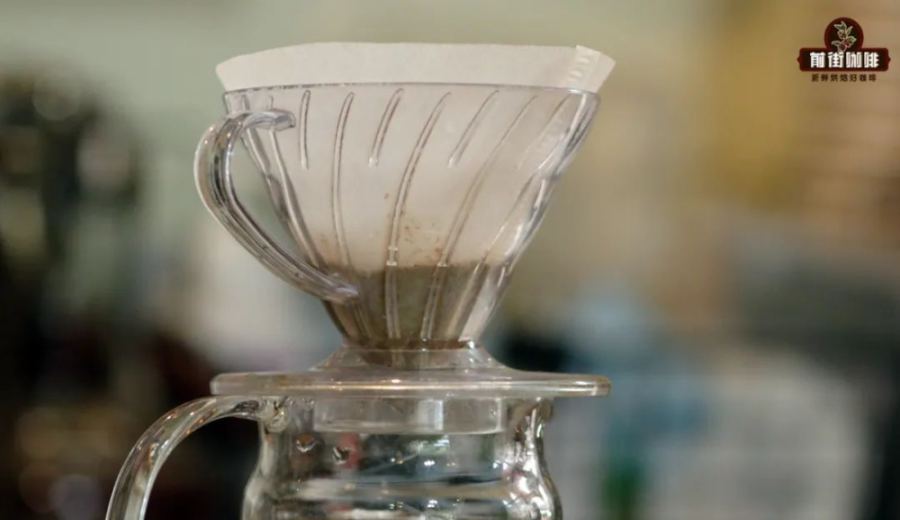
The term “small dose” generally refers to a relatively small amount of coffee used compared to the capacity of your filter dripper. Taking the commonly used Hario V60 dripper as an example, its 01 and 02 models have different designs and noticeably different coffee capacities. Generally speaking, using 15 grams of coffee with the V60 01 model is considered a regular and easily controllable dose; but using only 7 grams is considered an extremely low dose, which can easily lead to issues with water pouring control and under-extraction.
When the coffee dose is reduced, the most direct impact is a thinner coffee bed. A thin bed allows water to pass through the coffee faster, causing the flavor compounds in the coffee to be extracted insufficiently before the liquid drains, resulting in a thin mouthfeel and weak aroma. In addition, a smaller dose also means a lower total water volume, placing stricter demands on pouring technique—even minor operational mistakes can be magnified in the final cup’s flavor.
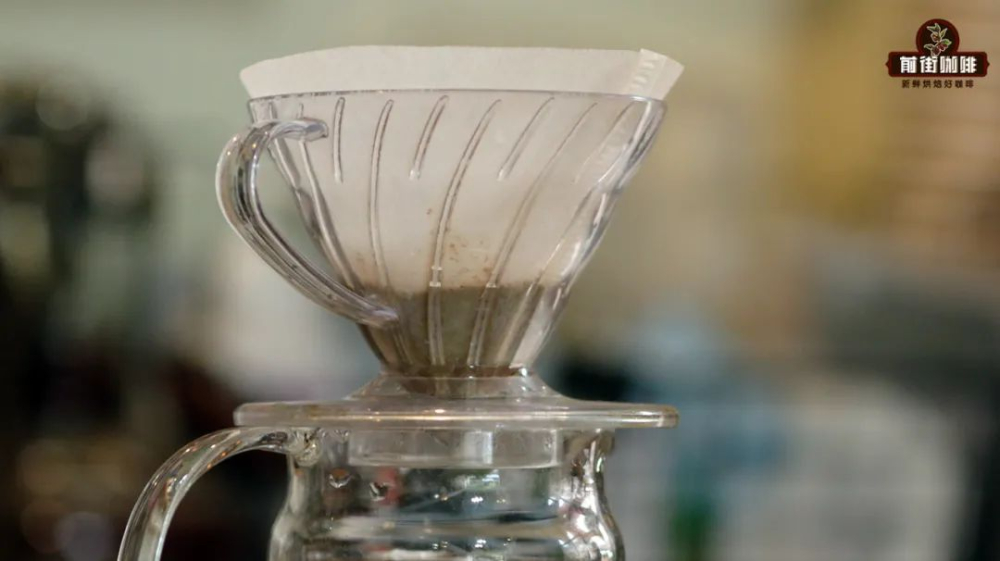
To tackle these challenges, we can optimize the extraction performance of small-dose pour over using two different strategies. First, for those with good water control skills and who pursue refined flavors, it is recommended to prioritize adjusting grind size and employing a three-stage fine-stream pouring method. Taking the V60 01 dripper as an example, when using 7 grams of coffee, it is suggested to adjust the grind size finer than usual—for instance, if you normally set your EK-43s grinder to 10 on the scale for a 15-gram dose, then for 7 grams you could adjust to 9.5, roughly corresponding to an 85% extraction rate through a #20 sieve. This helps extend the contact time between water and coffee, aiding in more complete extraction.
The recommended water temperature is 91°C, with a coffee-to-water ratio maintained at 1:15, meaning a total water volume of 105 milliliters. The pouring can be divided into three stages: first is the bloom phase, where about 15 milliliters of hot water is poured and allowed to bloom for approximately 25 seconds, with the water stream needing to be fine and even; next, in the second stage, starting at the 25-second mark, pour 45 milliliters in a circular motion, aiming to finish before the 40-second mark; finally, in the third stage, pour the remaining 45 milliliters at the 60-second mark, with the overall extraction time controlled to around 1 minute and 45 seconds, allowing all the coffee liquid to fully drip through.
If you’re not yet skilled with fine-stream pouring or the three-stage method, don’t worry—we offer a second, simpler approach with a lower skill threshold, suitable for beginners or those wanting to get started quickly. This method also uses a 7-gram dose and a 1:15 coffee-to-water ratio, but instead employs a larger water stream and a technique of raising the liquid level in stages to slow down the water flow, while also reducing the impact of mistakes on flavor.
Specifically, start with 20 milliliters of water for blooming for about 30 seconds, which helps the coffee grounds expand and begin releasing aroma. Then, use a slightly larger water stream in a small circular motion centered in the dripper to pour 30 milliliters, aiming to raise the liquid level in the dripper to about half height—this stage should be completed around the 40-second mark. After that, depending on how the liquid level drops, continue adding water in a vertical central pour, waiting briefly after each addition for the liquid level to drop slightly before continuing, repeating this 3 to 4 times to stabilize the liquid level. The total water volume goal remains 105 milliliters, with the overall extraction time recommended to fall between 1 minute 30 seconds and 1 minute 50 seconds, allowing the coffee flavors to be more fully expressed.
No matter which method you choose, the key lies in flexibly adjusting grind size, pouring speed, and water flow control based on your own skill level and equipment characteristics. Although small-dose pour over presents greater challenges, mastering the right parameters and techniques can still yield coffee with rich layers and balanced flavors. With these two adjustment methods, you can face the situation of having only a small amount of coffee beans left with more confidence, wasting none of those precious beans, while also improving your pour over skills and flavor experience.
The above content is compiled by CoffeeHunters, a coffee news website.


