








Introduction:Have you ever wondered why the same coffee beans can taste vastly different at different cafés? The flavor of coffee is actually shaped by a chain of interlinked factors — from the growing environment and bean variety, to processing methods, roast levels, and finally the brewing technique. This article will take you deep into how these five key elements influence a coffee’s aroma, acidity, sweetness, and body, helping you choose and appreciate coffee more precisely.
Every time someone makes a pour over, one of the first things they often ask is: “What flavors does this coffee have?” At some cafés, baristas also commonly ask customers which origin or flavor profile they prefer. This is because the floral, citrusy, nutty, or even chocolatey and caramel notes in coffee are not the result of a single factor, but rather the cumulative outcome of the natural conditions of the origin, the coffee plant variety, the green bean processing method, the roast technique, and ultimately the brewing method.
The climate, soil, and altitude of an origin shape its unique foundational flavors; different varieties determine the potential and upper limits of flavor expression; the green bean processing method affects fermentation style and overall cleanliness; roasting is the key to unlocking latent aromas; and finally, the brewing technique fine-tunes the overall profile to bring out the most balanced and suitable flavor. Grasping this complete flavor chain allows you to better understand why a cup of coffee tastes good, as well as the real impact of each step.

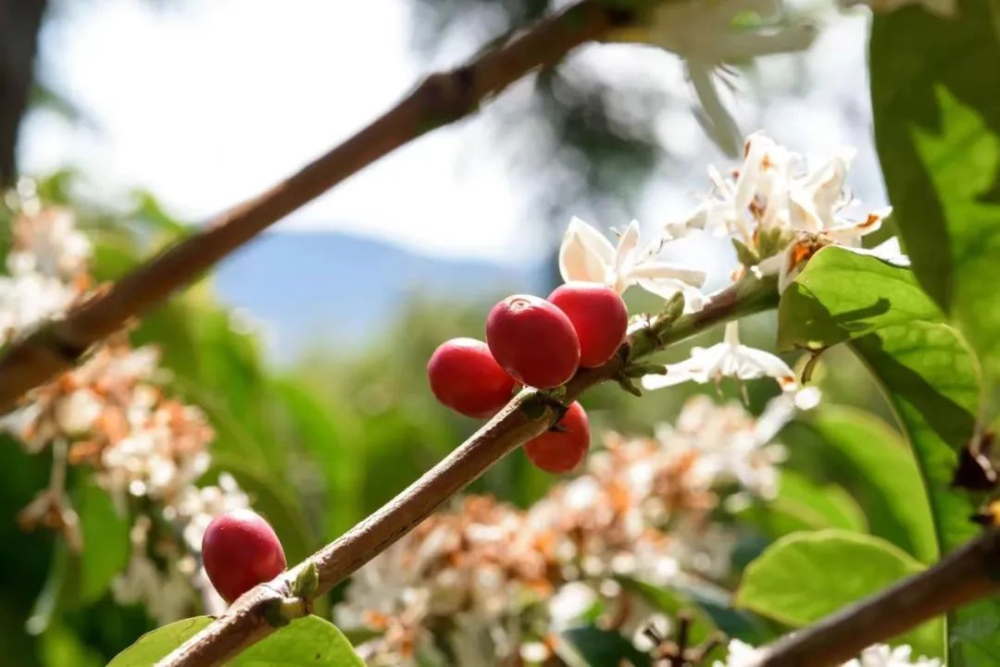
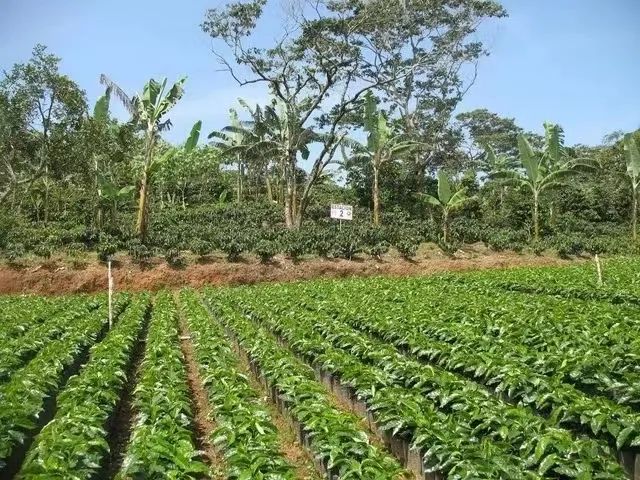
When it comes to coffee flavor, many people first think of origin. In some cafés, it’s common to hear customers ask: “What kind of coffee flavor do you usually like?” or “Which country’s beans do you usually drink?” The answers often point to specific origin flavors. The reason specialty coffee emphasizes “origin characteristics” is precisely because the natural conditions of different regions give coffee distinctly different personalities.
As the ancient Chinese saying goes: “An orange grown in Huainan is an orange, but grown in the north of the Huai River, it becomes a trifoliate orange.” The same plant can taste noticeably different when grown in different environments. Coffee is no exception — soil type, climatic conditions, altitude, variety traits, and even cultivation management all influence the final flavor expression of the coffee.
Take the Geisha variety, for example. Although it originated in Ethiopia, it gained global fame for thriving under Panama’s unique microclimate. Interestingly, Panama’s Geisha was originally introduced from neighboring Costa Rica, and today, despite coming from closely related varieties, Geisha coffees from the two countries still have their own distinct profiles due to subtle differences in microclimate, altitude, and farming practices. Coffee enthusiasts are encouraged to try comparing Geisha from both countries to personally experience how terroir translates into specific aromas and tastes in the cup.

In the past, when we talked about coffee, we often named it directly after its origin — such as Blue Mountain, Yirgacheffe, Kenya, or Santos. This reflects an early, intuitive understanding of “origin flavor.” At that time, although people were aware of variety differences, farmers prioritized disease resistance, yield, and adaptability when selecting seeds, which meant flavor differences between varieties were not very pronounced. For instance, Typica, Bourbon, Caturra, and Catuai may be related and have varying flavor profiles, but the overall differences weren’t extreme.
However, with the rise of the specialty coffee movement, the selection and breeding of coffee varieties has gradually come into focus. Agricultural research institutions have dedicated themselves to developing new varieties that are both delicious, high-yielding, and highly disease-resistant, giving birth to exceptional varieties like Geisha. Additionally, varieties such as Eugenioides (the parent variety), Pacamara, and WushWush have also gained attention for their strong performances in competitions.
It’s worth noting that some high-yield, disease-resistant varieties produced through artificial hybridization, while advantageous for stable production, often lack the flavor complexity of traditional or natural varieties. Therefore, for consumers seeking deeper flavor experiences, choosing native or naturally mutated varieties often leads to more interesting taste profiles.
The evolution of coffee processing methods was initially aimed at improving efficiency and quality. For example, the washed process, which only became widespread in the 18th century, is more hygienic and stable compared to the traditional natural (sun-dried) method. In the past, the natural process was very rudimentary — typically involving laying whole coffee cherries directly on the ground to dry. This not only easily led to contamination by dirt and microbes, but also resulted in a significant number of moldy or rotten beans. The entire process often took 3 to 5 weeks, with high risks and instability.
The washed process, on the other hand, involves removing the pulp and mucilage before drying, which not only significantly shortens the drying time but also effectively reduces defect rates — albeit at the cost of greater water usage. Other methods, such as Brazil’s popular semi-washed (pulped natural) method and Costa Rica’s widely used honey process, are innovative adjustments based on local environmental conditions, striking a balance between efficiency and flavor.
The biggest difference between the natural and washed processes lies in the role of fermentation. The natural process involves fermenting the entire coffee cherry, often resulting in a richer sweetness, more diverse fruit tones, and noticeable fermented flavors. The washed process, which ferments only the bean itself, tends to yield a cleaner, brighter acidity and a crisper mouthfeel.
It’s worth noting that, if properly controlled — for example, by using raised beds to avoid ground contamination, frequently turning cherries to prevent over-fermentation at the bottom, or using mechanical drying during rainy weather — natural process coffees can also achieve high-quality, sweet, and full-bodied profiles. Today, many farms have further introduced innovative processing techniques such as anaerobic fermentation and enzyme additions, bringing unprecedented dimensions and layers of flavor to coffee.
All the aforementioned steps are essentially about “storing flavor potential,” while the actual release of flavor relies on roasting. During roasting, aromatic compounds within the green beans undergo a series of complex chemical reactions — such as the Maillard reaction and caramelization — when heated to certain temperatures, producing hundreds of volatile aromatic compounds.
The Maillard reaction occurs throughout much of the roasting process. When amino acids and reducing sugars (like glucose and fructose) interact under heat, they generate a variety of aromatic substances, starting with fresh floral and fruity notes in the early stages, gradually transforming into deeper floral, nutty, buttery, and caramel aromas. However, as the reaction continues, the earlier floral and fruity notes gradually diminish.
Caramelization mainly occurs after the first crack, when sugar compounds begin to brown, producing compounds such as diacetyl (which gives a buttery aroma), furans (contributing to caramel notes), and hydroxymethylfurfural (reminiscent of honey and fruit juice aromas). However, it’s important to note that over-caramelization can lead to carbonization, resulting in a noticeable burnt bitterness in the coffee.
In short, the “first crack” is often seen as the dividing line for roast level. If you stop roasting right when the first crack appears, it’s considered a light roast, characterized by bright acidity and floral notes. If you delay the roast longer, moving into medium-dark or dark roasts, the coffee will exhibit deeper notes of nuts, chocolate, and caramel, with a fuller body. However, no matter which roast style you choose, the key lies in “balance” — going too far in either direction can mask the coffee’s original flavor characteristics.
The final stage — brewing — while having a relatively limited impact on flavor, is the crucial step that determines the final cup’s performance. A coffee’s flavor potential is largely set during the origin, variety, processing, and roasting stages; brewing techniques then make fine adjustments on this foundation, tailoring the coffee’s acidity, sweetness, body, and balance to suit personal taste.
It’s especially important to note that the “floor” of coffee flavor — that is, the basic quality — is primarily determined by the variety, growing conditions, and processing techniques. High-quality green beans can still deliver a certain level of flavor even with average brewing. Roasting, meanwhile, determines whether the coffee leans toward acidity or bitterness, something brewing cannot reverse. However, by adjusting parameters such as grind size, water temperature, brew time, and coffee-to-water ratio, you can still highlight certain traits of the coffee — for example, making a bright, acidic bean showcase a crisper citrus note, or bringing out a rounder berry-like juiciness.
The above content is compiled by CoffeeHunters, a coffee news website.


